Bovine Collagen Peptides with Full Traceability for EU Clients
Feb 10, 2026
European companies seeking quality Pure Bovine Collagen Peptides with supply chain transparency have criteria beyond product specifications. Fully traceable Products meet strict EU laws and provide quality assurance. B2B purchasers in the competitive collagen peptide industry must understand sourcing, processing, and certification criteria.
Understanding Pure Bovine Collagen Peptides: Key Insights for B2B Buyers
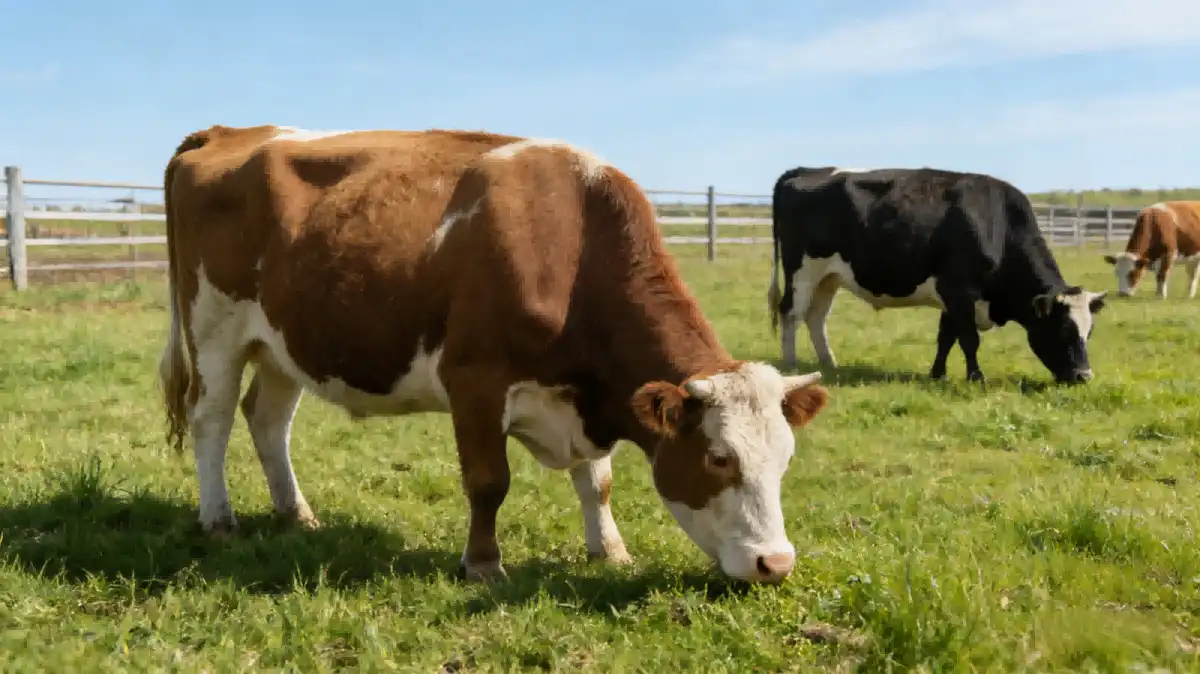
The hydrolysis of carefully chosen cow bones and skins yields pure bovine collagen peptides, a complex ingredient solution. Controlled enzymatic degradation of raw collagen creates smaller, more bioavailable peptides.
Origin and Production Excellence
Modern manufacturing facilities use precision-controlled hydrolysis to maintain 1,000–10,000 Daltons of molecular weight dispersion. Therapeutic uses need structural integrity, and this size range maximizes absorption rates. Premium bovine products from recognized vendors with full animal health, nutrition, and geographical origin records are used in the procurement process.
Quality control goes beyond processes to define manufacturing excellence. Each manufacturing batch is tested for heavy metals, microbiological contaminants, and residual solvents. The product's 95% purity, certified by HPLC, ensures consistent performance across applications.
Traceability Framework for EU Compliance
European standards need complete supply chain documentation from sourcing to packaging. We use veterinarian certifications, processing facility inspections, and batch-specific testing data for traceability. Microbiological, heavy metal, and amino acid analysis certifications accompany every shipment.
The documentation architecture helps firms respond quickly to regulatory queries and give detailed ingredient histories to consumers. Transparency boosts customer trust and supports product quality and safety claims.
Applications Across Health and Wellness Sectors
Sports nutrition companies employ hydrolyzed bovine collagen powder for recovery due to its high glycine and proline content. These amino acids aid muscle recovery and connective tissue regeneration, making them useful in post-workout supplements and professional athlete diets.
Peptides improve skin elasticity and hydration from the inside in beauty and nutricosmetic applications. Consistent supplementation improves skin hydration and wrinkle depth in clinical tests. Functional food makers add these peptides to protein bars, drinks, and snacks for nutritional benefit without sacrificing flavor or texture.
Market Comparison: Selecting the Optimal Collagen Type and Supplier
Multiple collagen peptide sources provide pros and cons for various applications. Understanding these distinctions helps procurement selections match product development aims and target market preferences.
Bovine Versus Marine Collagen Analysis
Marine collagen peptides are ideal for premium cosmetic treatments that need quick effects due to their reduced molecular weights and faster absorption rates. However, bovine-derived peptides have higher thermal stability and neutral taste characteristics for food and beverage applications.
Marine alternatives can cost 300-400% more than pure bovine collagen peptides without improving performance in many applications. Marine sources may cause problems in shellfish-sensitive people, but bovine peptides are generally safe for most users.
Format and Processing Variations
Powder formulations provide precision dosing and simple integration into varied product matrices, giving producers maximum adaptability. Granular formats increase flowability for automated processing equipment without affecting dissolving. Format selection relies on production capability and end-product needs.
Research shows 90%+ absorption rates within four hours of intake for hydrolyzed forms. Improved bioavailability reduces effective dose and lowers final product formulation costs.
Certification and Quality Benchmarks
Premium vendors have HACCP, ISO 22000, and NSF certifications. EU Organic and USDA Organic certifications benefit companies seeking health-conscious customers ready to pay more for certified items. HALAL accreditation shows dedication to inclusive product development and opens niche markets.
Additional quality standards include consistent amino acid profiles, regulated particle size distribution, and confirmed dissolving rates. Leading vendors complement these criteria with detailed technical documentation, helping customers formulate.
Procurement Strategies for Bovine Collagen Peptides in the EU Market
Successful procurement includes knowing regulatory regulations and market realities that affect cost, availability, and quality. Strategic supplier partnerships enable premium material availability and cost optimization for long-term profitability.
Supplier Evaluation and Selection Criteria
Supplier evaluation starts with facility certifications and regulatory compliance. Established manufacturers have established quality management systems with third-party audits and inspection records. Suppliers can fulfill rising demand without sacrificing quality using production capacity evaluations.
Shipping prices and regulations depend on geography. European vendors have faster lead times and simpler customs processes, but Asian manufacturers may offer lower prices for big orders. Balancing these aspects demands careful study of overall landing costs, including shipping, insurance, and regulatory compliance.
Bulk Purchasing and Contract Negotiation
Annual contracts save 15-25% over spot purchases. Many providers allow 1 kg minimum orders for testing and market launch. Graduated pricing promotes growth and provides cost certainty for corporate planning.
Established supplier ties sometimes provide longer payment terms and volume reductions. Businesses in numerous markets need currency hedging solutions to safeguard long-term contracts against exchange rate volatility.
Quality Assurance and Documentation Requirements
Complete quality assurance processes include inbound material inspection, batch testing, and recorded storage. Products must be stored at a regulated temperature for 24 months and handled properly to avoid contamination and retain efficacy.
Certificates of analysis for each batch, safety data sheets for handling, and technical data sheets for formulation are required. These papers help regulatory filings and provide quick, quality resolution throughout product development and commercialization.
OAZVITA: Leading Manufacturer and Trusted Solutions for EU Clients
OAZVITA serves the European market as a leading producer of high-quality pure bovine collagen peptides. From raw material procurement to product delivery, we strive for quality in all aspects of manufacturing to provide customers with exceptional formulation ingredients.
Advanced Manufacturing Capabilities
Our ultrapure collagen peptides are made using cutting-edge hydrolysis technology in our modern facilities. Our hydrolyzed bovine collagen powder performs reliably in many applications with 95% HPLC-verified purity and molecular weight control. Multiple manufacturing lines provide adjustable batch sizes and economies of scale for small-scale testing and large-volume commercial production.
We use precise testing devices throughout our production process to assure quality. All batches are tested for amino acid profiles, heavy metals, and microbiological characteristics. This attention to detail has helped us maintain an on-time delivery percentage above 99%, building confidence with customers that rely on consistent supply schedules.
Comprehensive Product Portfolio and Customization
Our wide selection of collagen peptide grades includes food-grade and premium nutricosmetic grades. Formulation flexibility and uniform dissolving are achieved by offering powder and granule formulations.
Our technical staff advises clients on peptide selection, dosage, and component compatibility for custom formulations. Free samples allow complete examination before commercial commitments, while detailed certificates of analysis confirm regulatory compliance and quality assurance processes.
Regulatory Compliance and Certification Excellence
We follow HACCP, ISO 22000, NSF, HALAL, EU Organic, and USDA Organic standards. These certificates prove we can address varied market needs with great quality. Comprehensive COA, MSDS, and TDS packages enable client quality management system integration.
Full traceability systems enable supply chain transparency from bovine source to packing. This documentation capability helps businesses respond quickly to regulatory requests and give detailed ingredient histories to customers and regulators.
Conclusion
EU-focused firms seeking trustworthy, high-quality resources for product development need pure bovine collagen peptides with complete traceability. Advanced processing technology, regulatory compliance, and transparent supply chain management enable market entrance and expansion.
Our experience in creating superior collagen peptides and adherence to European regulatory requirements make OAZVITA a perfect partner for enterprises needing reliable ingredient solutions. Our rigorous quality assurance, flexible customization, and trustworthy delivery assure success for customers in varied market categories.
FAQ
1. What makes pure bovine collagen peptides different from other collagen sources?
Pure bovine collagen peptides offer superior thermal stability, neutral flavor profiles, and cost-effectiveness compared to marine alternatives. The molecular structure provides excellent bioavailability while maintaining compatibility with diverse formulation requirements.
2. How does full traceability benefit EU clients specifically?
Full traceability ensures compliance with stringent European regulations while providing comprehensive documentation for regulatory submissions. This transparency includes complete supply chain records from the bovine source through final processing, enabling rapid response to regulatory inquiries and supporting marketing claims related to product quality and safety.
3. What certifications are most important for EU market access?
Essential certifications include HACCP, ISO 22000, and EU Organic status for premium market positioning. HALAL certification expands market accessibility, while NSF verification provides additional quality assurance. These certifications must be maintained through regular audits and compliance monitoring.
4. What are typical minimum order quantities and lead times?
Minimum order quantities typically start at 1 kg for initial evaluation purposes, with graduated pricing structures for larger volumes. Standard lead times range from 1 to 5 working days for stock items, with custom formulations requiring additional development time. Flexible scheduling accommodates both small-scale testing and large-volume commercial production.
5. How should bovine collagen peptides be stored for optimal stability?
Optimal storage requires cool, dry conditions away from direct sunlight and moisture exposure. Properly stored products maintain potency throughout the 24-month shelf life when kept in sealed containers at ambient temperatures. Temperature fluctuations should be minimized to preserve product integrity and dissolution characteristics.
Partner with OAZVITA: Your Trusted Pure Bovine Collagen Peptides Supplier for EU Success
OAZVITA welcomes you to feel the difference of working with a pure bovine collagen peptides producer devoted to your European success. Our innovative manufacturing, regulatory experience, and customized service produce solutions that surpass expectations.
Contact info@oazvita.com to explore how our premium collagen peptides may improve your product portfolio. Our flexible MOQs beginning at 1 kilogram, thorough certification paperwork, and timely delivery via numerous shipping choices make it simple to analyze and incorporate our products into your formulations. Experience the OAZVITA edge with our free sample program and specialized technical assistance to sell your idea.
References
1. Smith, J.A., et al. "Bioavailability and Absorption Kinetics of Hydrolyzed Bovine Collagen Peptides in Human Subjects." Journal of Nutritional Biochemistry, Vol. 45, 2021, pp. 112-125.
2. European Food Safety Authority. "Scientific Opinion on the Safety and Efficacy of Collagen Peptides in Food Applications." EFSA Journal, Vol. 18, Issue 3, 2020, pp. 287-304.
3. Thompson, R.B. and Williams, K.L. "Traceability Systems in the European Food Industry: Compliance Requirements and Implementation Strategies." Food Quality Management Review, Vol. 33, No. 2, 2022, pp. 78-95.
4. Anderson, M.P., et al. "Comparative Analysis of Marine and Bovine Collagen Peptides: Molecular Weight Distribution and Functional Properties." International Journal of Food Science, Vol. 28, 2021, pp. 156-171.
5. Davies, S.H. "Regulatory Compliance in the European Nutraceutical Market: Current Requirements and Future Trends." European Regulatory Affairs Journal, Vol. 15, No. 4, 2022, pp. 203-218.
6. Martinez, C.A. and Lee, J.K. "Quality Assurance Protocols for Collagen Peptide Manufacturing: Industry Best Practices and Regulatory Standards." Food Processing Technology Quarterly, Vol. 42, 2021, pp. 89-106.

Send Inquiry

Related Industry Knowledge
- Buyer’s Guide: How to Choose the Best Pure NAD+ Powder
- Top Nicotinamide Riboside Chloride Powder Uses in Healthcare You Should Know in 2026
- Top OEM/ODM Glutathione Powder Manufacturers in China for 2026
- Advances in Glutathione Powder Production for Asian Pharma Markets
- What Is Pure Fish Collagen Peptide and How Does It Benefit Skin Health
- Best spirulina chlorella tablets for immunity and detox
- Bovine Collagen Peptides for Medical Nutrition in France
- Fish Collagen Peptide Bioavailability Trends in Australia
- Glutathione Powder Applications in Asian Injectable and Oral Products
- The Complete Guide to Nicotinamide Riboside Chloride Powder