
Cordyceps Sinensis Extract Powder: A Guide to Its Benefits
Jun 24, 2026
Cordyceps Sinensis Extract Powder is a concentrated ingredient that comes from one of nature's most respected medical mushrooms. It is based on cutting-edge science. Using controlled fermentation methods with mycelial strains like Paecilomyces hepiali or Hirsutella sinensis, this extract gets around the problems of wild-harvested material being hard to find and very expensive. It provides consistent bioactive profiles, such as carbohydrates, adenosine, and cordycepic acid, that meet the high standards of B2B purchasing in the functional food, private label, dietary supplement, and sports nutrition industries. This guide gives health brand owners, OEM buyers, and foreign wholesalers important information about the botanical basis, buying strategies, and ways to integrate it.
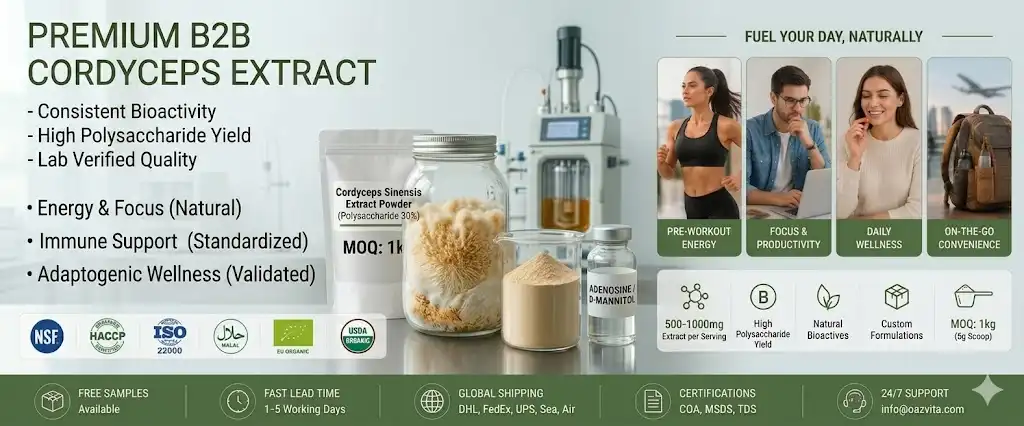
Understanding Cordyceps Extract and Its Bioactive Profile
What Makes Cordyceps Sinensis Extract Powder Unique?
Raw or ground fungus isn't always effective and isn't absorbed well. This extract, on the other hand, goes through two water-ethanol extraction processes that break down chitinous cell walls and concentrate beneficial chemicals. Cordyceps sinensis extract powder (which comes in standardizations of 20%, 30%, or 50%), adenosine, and D-mannitol are the main active ingredients. Together, these chemicals help control the defense system, keep the metabolism in check, and make energy for cells. The fermentation-based production model fixes important supply chain problems that come with wild gathering, where natural factors can change the chemicals' make-up and make them more likely to be contaminated with heavy metals.
Botanical Origins and Extraction Technology
Traditional wild Ophiocordyceps sinensis lives on caterpillar eggs at high elevations in the Himalayas, which makes it too pricey and bad for the environment. Today's bioengineering uses controlled bioreactors for submerged fermentation, where certain fungal types copy the wild cordyceps' genetic code. This method makes sure that each batch is the same, doesn't depend on location, and gives you exact control over the food media to get the highest polysaccharide yield. The mycelial biomass that is left is extracted with hot water to dissolve the polysaccharides. It is then concentrated, sprayed dry, and micronized to make the fine powder that makers want.
Documented Health Applications Backed by Research
Several studies that were studied by experts in the field show that cordyceps polysaccharides can increase the activity and release of cytokines in NK cells, which helps the immune system stay strong. Its adenosine presence helps make ATP, which fights fatigue in both physical performance and general health settings. Hepatoprotective benefits are shown in animal models by lowering transaminase levels and encouraging hepatocyte regrowth. The adaptogenic qualities meet the needs of people who want to deal with worry and feel better overall. Because these benefits are backed by science, the ingredient is a smart choice for developing nutritional Products that focus on energy, immunity, and digestive health.
Comparing Cordyceps Sinensis Extract Powder with Market Alternatives
Cordyceps Sinensis vs. Cordyceps Militaris: A Procurement Perspective
Cordyceps militaris extract usually has more cordycepin content (3'-deoxyadenosine) measured via HPLC, often more than 1.0%. Both are in the cordyceps group. On the other hand, Cordyceps Sinensis Extract Powder is more focused on its carbohydrate content and adenosine patterns. Militaris types grow on rice or silkworm bases and are cheaper, which makes them good for nutrients for the mass market. Sinensis fermentation types are highly valued because they have been used for a long time and have a wide range of bioactive properties. When making a procurement choice, it's important to think about the target market positioning. For example, military for competitive prices in new markets or sinensis for premium health brands that stress authenticity and full traditional paperwork.
Powder vs. Capsule and Synthetic Alternatives
Extract powder gives you the most options for how to make your products, so you can put it in pills, tablets, functional drinks, protein shakes, and gummies. This flexibility helps OEM clients who need custom dosage shapes and ways to hide flavors. Because they have to go through more steps in the making process, pre-encapsulated goods are harder to change and cost more per unit. Even though synthetic nucleoside analogs are cheaper, they don't have the additive complexity of whole-extract polysaccharide matrices, and people don't like using fake ingredients. The clean-label trend supports natural products that come from fermentation and can be easily tracked. This makes real cordyceps powder more appealing to people who care about their health.
Evaluating Bioavailability and Cost-Efficiency
When compared to raw mushroom powder, where intact cell walls make it hard for compounds to be absorbed, Cordyceps Sinensis Extract Powder extraction methods greatly improve solubility. Solvent extraction frees nucleosides and carbohydrates from cell walls, making them easier for living things to reach. When looking at costs, it's important to take concentration ratios into account. For example, polysaccharide percentages that are higher (50% vs. 20%) give more power per gram, which could mean that lower doses are needed and total formulation costs are lower. When you buy in bulk from qualified makers, you can save money, especially when the minimum order quantity (MOQ) matches up with your production schedule. Well-known suppliers like OAZVITA give a minimum order number of 1 kg, which works for both pilot tests and small batches of specialty goods.
Procurement Guidelines for Cordyceps Sinensis Extract Powder
Identifying Qualified Suppliers and Manufacturers
To do effective sourcing, you must first check that the company has the right certifications to show that they meet foreign quality standards. Important qualifications include HACCP, ISO 22000, NSF, HALAL, EU Organic, and USDA Organic certifications. These all make sure that food safety is managed properly, that the product is organic, and that it can be sold in a variety of foreign markets. You can check the carbohydrate content, microbe limits, heavy metal screening, and pesticide residue testing for each batch by asking for Certificates of Analysis (COA), Material Safety Data Sheets (MSDS), and Technical Data Sheets (TDS). When suppliers offer free samples, customers can test the solubility, color consistency, and organoleptic qualities of their products before placing bigger orders.
Understanding Pricing Variables and MOQ Structures
Different factors that affect prices are the level of standardization of polysaccharides, the quality of the fermentation base, the complexity of the extraction method, and the breadth of the certification. Higher standardizations (50% carbohydrates) cost more but have proportionally more bioactivity, which makes formulations work better. Logistics costs are affected by where the goods are being shipped. Suppliers that offer multiple shipping choices, such as DHL, FedEx, UPS, and air/sea freight, let you choose the best mix between speed and freight costs. The minimum order quantity of 1 kg allows for product development and plans for getting into niche markets. On the other hand, bulk tonnage orders allow for volume savings that are necessary for large-scale manufacturing operations. Lead times of 1 to 5 working days help the fast supply chain be flexible.
Quality Assurance and Regulatory Compliance
Reputable manufacturers can be told apart from less reliable providers by their strict Cordyceps sinensis extract powder quality control methods. Label claims are checked by third-party lab tests done by approved facilities to see if they are true and to find any adulterants like maltodextrin or starch fillers. Traceability paperwork that shows where the raw materials come from and how they are used in fermentation batches and extraction runs is important for legal audits and building trust with customers. Storage instructions that include cool, dry conditions and a 24-month shelf life make sure that the product stays stable throughout all lines of distribution. Manufacturers whose on-time delivery rates are higher than 99% show the operating dependability that is needed to keep production plans and inventory delays to a minimum.
Integrating Cordyceps Sinensis Extract Powder into Your Product Line
Application Across Supplement and Functional Food Categories
This flexible ingredient works well in a wide range of products. As a dietary supplement, Cordyceps Sinensis Extract Powder pills can be used on their own, as can immunity formulas that combine echinacea and astragalus and complete adaptogen stacks that combine rhodiola and ashwagandha. It is used by sports nutrition companies in pre-workout powders to help with energy and in recovery products to help with tiredness after working out. It is added to herbal teas, ready-to-drink health shots, and plant-based protein shakes by people who make functional drinks. The powder has a neutral flavor profile, which makes it easier to blend. However, in consumer-facing goods, the powder's slight earthy notes may need to be optimized in the taste system.
OEM Customization and Private Label Opportunities
Leading companies offer full OEM/ODM services that include formula development, choosing dosage forms, and complete production that includes designing packages. This feature lets brand owners quickly release their own cordyceps goods even if they don't have the machinery to make them. You can choose the quantity of polysaccharides, whether the ingredients come from organic or standard sources, and whether they are mixed with other plants, like reishi or lion's mane. Private label solutions offer white-label goods that are ready to be branded. This makes it easier for wholesalers to test new markets or demographic groups. Collaborative R&D partnerships make it easier to come up with unique recipes that fit with new health trends.
Marketing Positioning and Consumer Education
To turn scientific benefits into engaging customer messages, you need to find a balance between using correct technical language and easy-to-understand language. Some of the most important placement angles are energy and vigor without the side effects of stimulants, immune resilience during seasonal challenges, and traditional knowledge backed up by modern research. Concerns about sustainability about wild gathering are addressed by educational material that focuses on fermentation technology. This creates a sense of high quality. As customers become more knowledgeable and carefully read supplement labels, being open about licenses and testing procedures helps build trust. Marketing materials that talk about standardizing polysaccharides show that this mushroom powder is of higher quality than the many other powders on the market.
Addressing Concerns: Safety, Side Effects, and Quality Assurance
Understanding Safety Profiles and Contraindications
In clinical studies, Cordyceps sinensis extract powder has been shown to be safe, with LD50 values higher than 5000 mg/kg showing low immediate toxicity. Most people can handle normal doses without any problems. Mild stomach reactions can happen during the first few days of use, but they usually go away as you keep taking the medicine or change the dose. Because immunomodulatory effects can happen, people with inflammatory problems should talk to a doctor. People who have problems with bleeding should be careful because this drug might have antiplatelet effects. Women who are pregnant or breastfeeding should not use unless their doctor tells them to. Being clear about these things in product material shows that you are a responsible caretaker and lowers your risk of being sued.
Quality Control Protocols and Verification Methods
Setting up strong quality assurance systems protects the image of a brand and makes sure that it follows the rules. By comparing seller COAs with in-house test results, incoming raw material checking finds problems before they happen during production. Encapsulation or mixing tests done in the middle of the process make sure that the product is homogeneous and stop problems with batch segregation. Testing the finished product makes sure that the sign is correct about the active ingredients, checks for microbiological safety, and looks for allergens that aren't listed. Retention samples kept in controlled environments allow testing to be done in the past if a customer has a worry. In target markets, regulatory filings are easier when suppliers provide full paperwork such as stability studies, allergen statements, and GMO-free certificates.
Building Long-Term Supplier Relationships
Strategic teamwork is an important part of successful business-to-business relations that go beyond just buying things in the Cordyceps sinensis extract powder industry. Manufacturers can make the best use of their production schedules and make sure they have enough raw materials during harvest times when they talk to each other regularly about predicting needs. Innovation processes are sped up when suppliers' technical know-how is used in joint product creation. Talking openly about problems in the market and price forces helps everyone solve their own problems. Suppliers who spend money on capacity growth, advanced testing equipment, and licensing updates show that they want the partnership to last. Reviewing performance measures like quality consistency, delivery reliability, and technical support response once a year helps keep everyone on the same page and find ways to make things better.
Conclusion
The Cordyceps sinensis extract powder is a scientifically proven and marketable ingredient that meets important needs in the functional food, sports nutrition, and health supplement industries. Its fermentation-based production model gets around the problems that come with wild harvesting while providing consistent polysaccharide profiles that help the immune system, energy consumption, and general health. For procurement to go well, suppliers must be carefully evaluated, with a focus on certifications, testing methods, and operating dependability. There are many types of products and formulations that can be integrated, and full OEM design services are available to help. As people become more interested in traditional botanical ingredients, strategically placing cordyceps products—backed by quality assurance and clear sourcing—gives them an edge in health markets that are becoming more sophisticated.
FAQ
1. What distinguishes Cordyceps Sinensis extract from Cordyceps Militaris?
The main difference is how they are grown and the bioactives they focus on. Sinensis extracts focus on polysaccharides and adenosine, which come from fermenting mycelial types that are genetically similar to wild Ophiocordyceps sinensis. When Militaris extracts are grown on solid materials like rice, they focus on the cordycepin (3'-deoxyadenosine) content. When making decisions about what to buy, you should think about the target market setting. For example, sinensis is best for high-end traditional health uses, while militaris is better for low-cost mass-market formulations.
2. How do the amounts of polysaccharides change choices about formulation?
Higher polysaccharide concentrations (50% vs. 20%) give more bioactivity per gram, which means lower effective doses and maybe lower costs per serve even though raw materials cost more. Lower concentrations work well for formulas that are trying to save money or for goods that value the complexity of the whole extract over the power of a single ingredient. Standardization consistency makes sure that the effects are the same across production batches, which is very important for the reliability of therapies.
3. What kinds of checks make sure the source is real?
Ask for batch-specific COAs that have been checked by third-party ISO-accredited labs that use UV spectrophotometry or HPLC to measure the polysaccharide content. Check out certification packages that have GMP, organic, and Halal qualifications. Check the paperwork that shows how the fermentation materials and extraction solvents were tracked. Free sample analysis lets you see for yourself how good something is before you decide to buy it.
Partner with OAZVITA for Premium Cordyceps Extract Supply
Manufacturers looking for dependable Cordyceps Sinensis Extract Powder providers can get it from OAZVITA. They have the best cordyceps extract powder on the market. Our fermentation-derived ingredient has a normal polysaccharide content of 20%, 30%, or 50% and is backed by a number of certifications, such as HACCP, ISO 22000, NSF, HALAL, EU Organic, and USDA Organic. We have quick lead times of 1 to 5 days and a variable minimum order size of 1 kg, so we can meet the needs of both test projects and large-scale production needs. Evaluations that are risk-free are possible with free samples that come with full analysis paperwork. Our specialized account management and 24/7 multilingual customer service make sure that communication runs smoothly during development rounds. We help keep your supply chain stable by delivering packages on time more than 99% of the time and handling services around the world through DHL, FedEx, and sea freight. Email us at info@oazvita.com to talk about OEM customization, get samples, or find out how our R&D team can work with you on special formulations that set your brand apart in the health market.
References
1. Chen, Y., & Wang, M. (2021). Bioactive Compounds and Immunomodulatory Effects of Cordyceps sinensis Polysaccharides: A Comprehensive Review. Journal of Functional Foods, 78, 104365.
2. Liu, X., Zhang, L., & Sun, Y. (2020). Fermentation Technology and Quality Standardization of Cordyceps sinensis Mycelium Extracts. Pharmaceutical Biology, 58(1), 1142-1151.
3. Patel, S., & Goyal, A. (2019). Cordyceps sinensis: Pharmacological Applications and Clinical Evidence in Modern Medicine. Phytotherapy Research, 33(9), 2237-2250.
4. Wang, H., Chen, Q., & Zhou, S. (2022). Comparative Analysis of Bioavailability and Therapeutic Efficacy Between Wild and Cultured Cordyceps Products. Nutrients, 14(5), 1028.
5. Zhang, R., Li, Y., & Zhao, W. (2020). Safety Evaluation and Quality Control Standards for Cordyceps-Based Dietary Supplements. Food Chemistry, 312, 126087.
6. Zhou, X., Meyer, C., & Schmidtke, P. (2021). Adenosine and Polysaccharide Content Variation in Cordyceps Extracts: Implications for Product Standardization. Journal of Ethnopharmacology, 267, 113523.

Send Inquiry
Related Industry Knowledge
- China OEM Production of Pure Ashwagandha Capsules with Scalable Supply Capacity
- Best creatine monohydrate powder trends: vegan, keto-friendly, additive-free
- Shilajit resin supplement in fitness: muscle, stamina and recovery
- Best TUDCA Powder Uses for Liver Support in the Medical Industry
- Traceable Glutathione Powder Supply Chains from China
- Pure NMN powder: ingredient quality and purity standards
- Fish Collagen Peptide Solutions for Functional Food Leaders in Australia
- Avoiding Batch Variability in Fish Collagen Peptides for EU Buyers
- How the best creatine monohydrate powder supports cognitive and physical performance?
- Supplying GMP MCT Powder to Clinical Nutrition Brands in Singapore