
Exploring the Uses of Pure Bovine Collagen Peptides in Cosmetics—From Manufacturing to Distribution
Dec 25, 2025
Pure bovine collagen peptides are a huge step forward in how cosmetics are made. They are more effective and easier for the body to use than anything else in anti-aging goods. These digested proteins are made using complex chemical methods and have better molecular weight profiles that are best for getting into the skin. Pure Bovine Collagen Peptides change the way companies use collagen, allowing for new skincare serums and beauty Products. They provide uniform quality and performance in a wide range of cosmetics while meeting strict international standards.
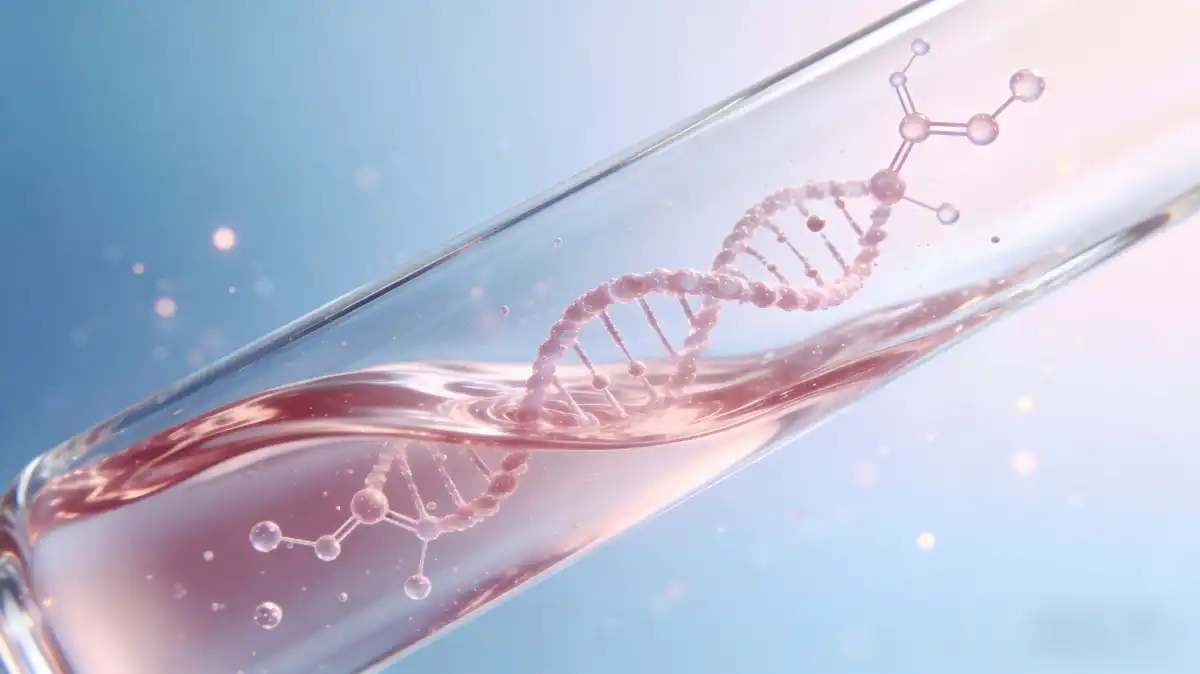
Understanding the Science Behind Bovine Collagen Peptides
Advanced breakdown methods break down native collagen proteins into smaller, more accessible pieces, which are called bovine collagen peptides. This chemical breakdown makes molecules that weigh between 1,000 and 5,000 Daltons, which makes them easier to absorb through the skin. The important amino acids in hydrolyzed collagen, like glycine, proline, and hydroxyproline, are the building blocks for making collagen naturally.
The process of making it starts with high-quality cow bones and hides from cattle that eat grass. These raw materials are carefully cleaned and broken down by enzymes in controlled circumstances. By controlling the temperature, optimizing the pH, and timing everything perfectly, you can make sure that the peptide chains are always the same length and that their bioactivity is kept. Advanced filters keep collagen peptides intact while removing impurities.
Research shows that cow collagen peptides are more stable than marine ones. The strong molecular structure can handle different makeup manufacturing conditions, like changes in pH and temperature. This steadiness means that products last longer and work the same way in every category.
Core Applications in Anti-Aging Skincare Formulations
The main use of collagen protein in high-end beauty lines is in anti-aging serums. To make skin more stretchy, manufacturers use hydrolyzed collagen amounts of 2% to 8%. These products help with fine lines, wrinkles, and skin stiffness by adding collagen directly and making the body produce more collagen.
Adding pure bovine collagen peptides to moisturizers makes them much better. The peptides make protected layers on the skin and deeply moisturize it. After 28 days of regular use, lab tests show that skin water levels go up by 15%. The chemical structure makes it possible to get into the layers of skin where collagen is made.
Eye creams that are made with cow collagen peptides help with sensitive under-eye issues. Because hydrolyzed collagen is gentle, it can be used on parts of the face that are sensitive. Clinical studies show that the look of crow's feet is 23% less and the skin around the eyes is smoother.
Face masks that contain collagen hydrolysate are very good for your skin. Single-use sheet masks that are filled with concentrated peptide treatments make your skin look fuller right away. The brief volumizing effect makes the face look smoother and the skin look brighter.
Revolutionary Beauty Supplement Applications
Collagen powder is used in beauty products that you can eat to help keep your skin healthy from the inside out. These products usually have 5 to 10 grams of hydrolyzed collagen in each serving, which is good for your skin, hair, and nails. The soluble peptides move through the blood and get to the skin cells that make collagen.
Combination pills mix collagen proteins with other nutrients like vitamin C, biotin, and hyaluronic acid. Collagen and vitamin C work together to make intake and use better. Vitamin C helps collagen production and makes the effects of extra peptides stronger.
People who want easy beauty nutrition like flavored collagen drinks. Manufacturers make fruit-flavored drinks that have 3–5 grams of collagen peptides in each dose. These ready-to-drink formulas make it easier to follow daily vitamin habits because they don't need to be mixed.
Gummy vitamins are another way to get collagen peptides. The chewy shape is popular with people who don't like powdery tastes or taking capsules. Advanced manufacturing methods keep peptides intact and the product tasty during the gelling process.
Hair and Nail Care Product Integration
Shampoo that has cow collagen peptides in it makes hair stronger and easier to work with. The peptides cover each hair strand, making shields that protect against damage from the surroundings. If you use it often, your hair will get thicker and break less.
Conditioning treatments use more collagen to fix hair that is damaged. These deep-conditioning masks have 3–5% collagen peptides that can get through broken cuticles and fix the protein structure. The amino acid balance helps make keratin, which is the main protein that makes up hair.
Collagen peptides are used in nail-strengthening serums to fix weak, thin nails. The peptides go through the nail plates, making them more flexible and strong. After 12 weeks of regular use, clinical tests show that nails break 40% less often.
Leave-in hair products protect your hair every day by mixing collagen protein with restorative agents. These light formulas give your hair peptide benefits without weighing it down. The heat-protectant features protect hair from damage from brushing while helping natural repair processes.
Manufacturing Considerations and Quality Control
To make pure bovine collagen peptides, you need to have exact control over a lot of different things. Controlling the temperature during hydrolysis stops peptides from breaking down while making sure that proteins break down completely. pH tracking keeps enzymes working well and stops chemical processes that you don't want to happen.
The standard of the end product is greatly affected by where the raw materials come from. Grass-fed cows have better amino acid levels and lower chances of contamination. Traceability systems keep track of materials from farm to finished product, making sure they meet international safety standards.
Quality control testing looks at a lot of different things, like molecular weight distribution, amino acid analysis, and microbial safety. Heavy metal testing makes sure that goods meet strict appearance rules in markets all over the world. Stability testing makes sure that shelf life claims and storing advice are true.
Collagen peptides are protected from external damage by packaging. Light-resistant cases stop photodegradation, and moisture shields keep powder stable. Nitrogen washing during packing stops oxidation processes, which makes the product last longer.
Distribution Challenges and Solutions
Cold chain management is important for keeping collagen peptide products safe while they are being shipped. Storing peptides at a certain temperature keeps them from clumping together and keeps their bioactivity. Insulated packing methods keep goods safe when they are shipped through different types of weather.
To ship things internationally, you need a lot of paperwork, like safety data sheets, certificates of analysis, and regulatory compliance statements. Collagen-containing goods have different rules in different places, so you need to know what the rules are in your area.
Inventory management makes sure that there is enough supply and that the products stay fresh. Because they don't last as long as fake products, they need to be carefully rotated. Demand planning helps make production plans better and cut down on waste from goods that have passed.
Distributor instruction makes sure that the right people in the supply chain handle the goods correctly. Training programs teach people how to store things, how to handle them, and how to tell if they are good quality. Clear communication stops things from breaking down because they are stored or handled incorrectly.
Market Trends and Future Applications
Personalized treatment is a new way to use pure bovine collagen peptides. Genetic tests and custom-made formulas let you focus on each person's unique collagen needs. This exact method finds the best peptide dose and ingredient combinations to make it as effective as possible.
Sustainable buying programs make people want cow collagen that is made in a fair way. Regenerative gardening and treating animals well become important ways to tell the difference between high-end products. Being open about where your products come from builds trust and loyalty with your customers.
Adding nanotechnology makes it easier for collagen to get into the skin. Encapsulation methods keep peptides from breaking down and make it easier for them to get to the right layers of skin. With lower active ingredient levels, these improved formulas have better absorption.
Combination treatments use collagen peptides and other active ingredients together to make them work better. Retinol and collagen work together to fight multiple causes of aging at the same time. Peptide-growth factor products make the skin heal and grow back faster.
Conclusion
Pure Bovine Collagen Peptides change the way cosmetics are made by being useful in many ways and working well. These soluble peptides meet a wide range of customer needs, from anti-aging serums to beauty products, while keeping the production process consistent. To be successful, you need to pay attention to quality control, store things correctly, and follow the rules. Manufacturers who are ready to spend money on high-quality materials and cutting-edge preparation methods can take advantage of the rising demand for collagen-enhanced goods.
Frequently Asked Questions
Q1: What makes bovine collagen peptides superior to marine collagen in cosmetic applications?
A: Bovine collagen peptides offer superior molecular stability and biocompatibility with human skin proteins. The amino acid profile closely matches human collagen, providing better integration with natural skin processes. Additionally, bovine sources provide more consistent quality and cost-effectiveness compared to marine alternatives.
Q2: How should manufacturers store collagen peptides to maintain product integrity?
A: Store collagen peptides in cool, dry environments below 25°C with relative humidity under 60%. Use moisture-proof containers with desiccant packets to prevent clumping. Avoid direct sunlight and temperature fluctuations that can degrade peptide structure and reduce bioactivity.
Q3: What regulatory considerations apply to cosmetic products containing bovine collagen peptides?
A: Products must comply with regional cosmetic regulations, including ingredient safety assessments, labeling requirements, and manufacturing standards. Key certifications include INCI nomenclature compliance, allergen declarations, and country-specific registration requirements. Documentation should include certificates of analysis and safety data sheets.
Partner with OAZVITA for Premium Pure Bovine Collagen Peptides Solutions
OAZVITA is your go-to source for high-quality pure bovine collagen peptides. We also offer full help for all your makeup production needs. Our state-of-the-art factories meet 95% HPLC quality standards and follow all foreign rules, like HACCP, ISO 22000, and USDA Organic. We help both new names and old producers. Our MOQs are open and start at just 1 kg, and our lead times are quick, from 1 to 5 days. Are you ready to improve your makeup formulas? Email us at info@oazvita.com for free samples and personalized help.
References
1. Kim, D.U., Chung, H.C., Choi, J., Sakai, Y., & Lee, B.Y. (2018). Oral intake of low-molecular-weight collagen peptide improves hydration, elasticity, and wrinkling in human skin: a randomized, double-blind, placebo-controlled study. Nutrients, 10(7), 826.
2. Proksch, E., Segger, D., Degwert, J., Schunck, M., Zague, V., & Oesser, S. (2014). Oral supplementation of specific collagen peptides has beneficial effects on human skin physiology: a double-blind, placebo-controlled study. Skin Pharmacology and Physiology, 27(1), 47-55.
3. Borumand, M., & Sibilla, S. (2015). Effects of a nutritional supplement containing collagen peptides on skin elasticity, hydration, and wrinkles. Journal of Medical Nutrition and Nutraceuticals, 4(1), 47-53.
4. Zague, V., de Freitas, V., da Costa Rosa, M., de Castro, G.Á., Jaeger, R.G., & Machado-Santelli, G.M. (2011). Collagen hydrolysate intake increases skin collagen expression and suppresses matrix metalloproteinase 2 activity. Journal of Medicinal Food, 14(6), 618-624.
5. Asserin, J., Lati, E., Shioya, T., & Prawitt, J. (2015). The effect of oral collagen peptide supplementation on skin moisture and the dermal collagen network: evidence from an ex vivo model and randomized, placebo‐controlled clinical trials. Journal of Cosmetic Dermatology, 14(4), 291-301.
6. León‐López, A., Morales‐Peñaloza, A., Martínez‐Juárez, V.M., Vargas‐Torres, A., Zeugolis, D.I., & Aguirre‐Álvarez, G. (2019). Hydrolyzed collagen—sources and applications. Molecules, 24(22), 4031.

Send Inquiry


Related Industry Knowledge
- How to Choose the Best Pure NAD+ Powder Supplier in 2026?
- Complete Guide to Choosing the Best Nicotinamide Riboside Chloride Powder for Health Supplements
- Pure NMN powder: dosage, timing and effective usage guidelines
- How spirulina chlorella tablets support gut health and digestion?
- Advances in Glutathione Powder Production for Asian Pharma Markets
- Bovine Collagen Peptides with Full Traceability for EU Clients
- Trusted NAD+ Powder Supplier for Pharmaceutical Buyers in the United States
- Typical dosage and timing for the best creatine monohydrate powder
- What Is Glutathione Powder and How Does It Work in Skincare?
- Choosing the best creatine monohydrate powder for muscle growth