
Including Inulin in Your Everyday Diet
Sep 01, 2026
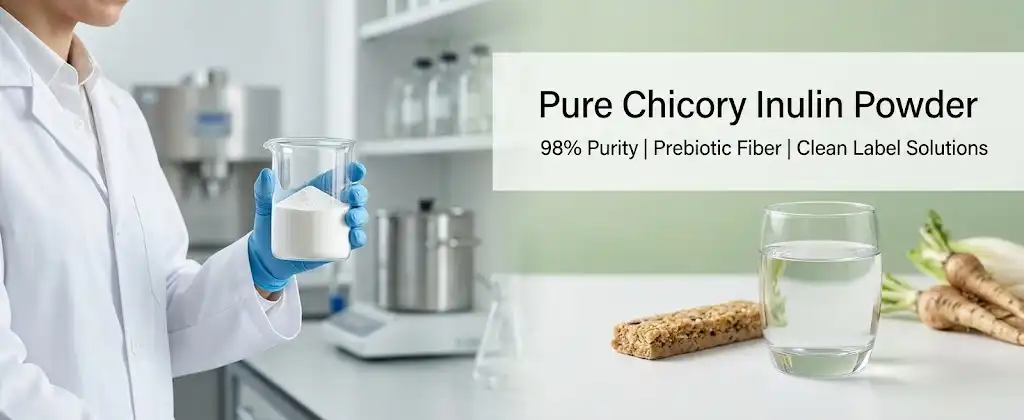
Including inulin in your everyday diet starts with understanding what Pure Inulin Powder brings to your formulations and Products. This naturally sourced soluble fiber extracted from chicory root and Jerusalem artichoke offers significant prebiotic benefits that transform digestive health products. As a B2B ingredient, it delivers scientifically validated benefits ranging from gut microbiome support to enhanced mineral absorption. For supplement brands, functional food manufacturers, and OEM buyers, incorporating this versatile dietary fiber into product lines addresses growing consumer demand while maintaining clean label standards and regulatory compliance across international markets.
Understanding Pure Inulin Powder and Its Health Benefits
What Makes This Natural Fiber Stand Out
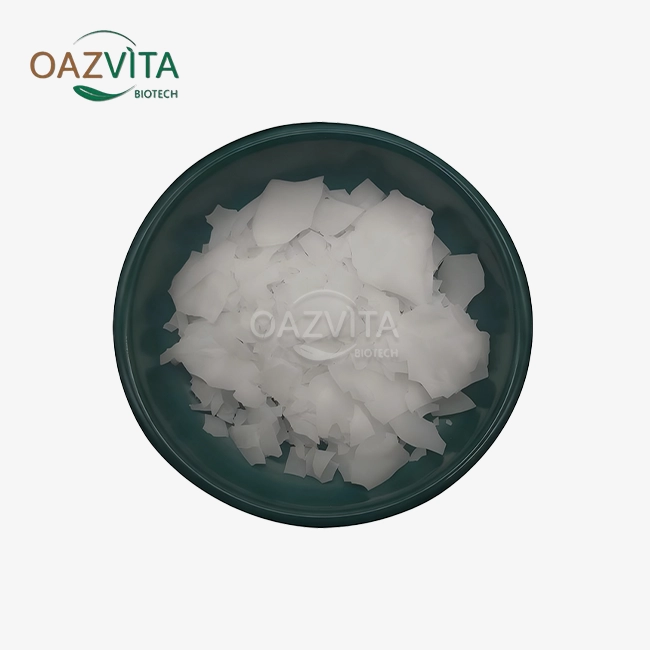
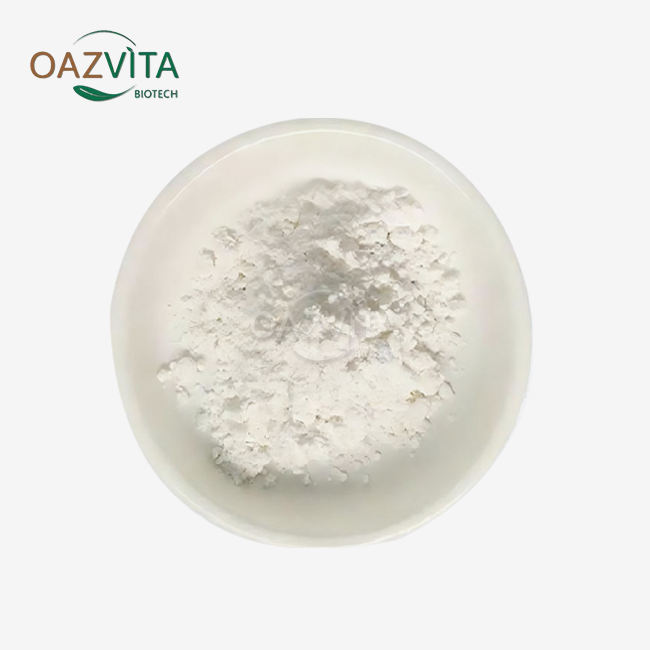
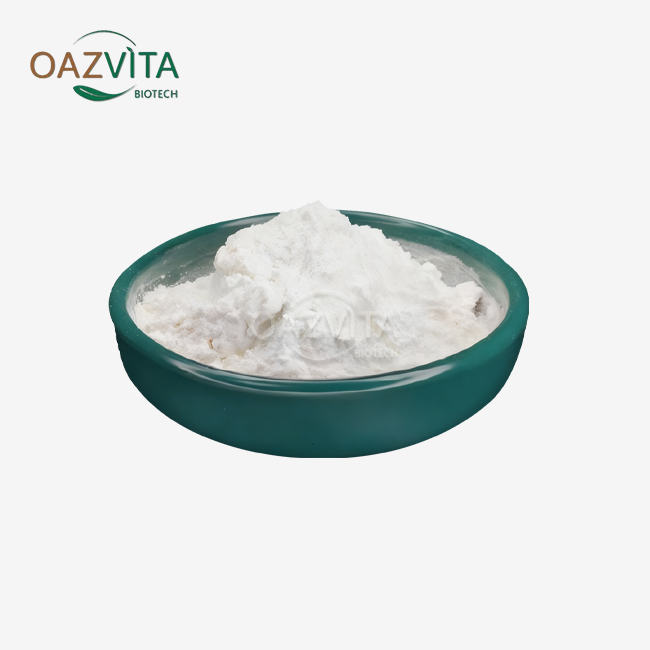
Pure Inulin Powder is a very pure fructan polymer that is taken from chicory root (Cichorium intybus) and Jerusalem artichoke plants by diffusing them with hot water. This natural ingredient has the CAS number 9005-80-5. It is made up of straight chains of fructose units joined together by β(2→1) glycosidic bonds. This high-quality ingredient comes from farms that are closely monitored, so OAZVITA can be sure of its consistency and 98% purity by HPLC analysis. The extraction process keeps the useful properties that are needed for prebiotic activity while getting rid of impurities that could make the product less effective.
Unlike manufactured fibers, this naturally occurring material gives companies a chance to use a "clean label" approach. The molecular structure stays the same during processing, so the prebiotic works well in a wide range of formulation conditions. Brands that use this ingredient get clear sourcing information like COA, MSDS, and TDS reports that confirm the ingredient's origin and purity.
Core Digestive Health Advantages
The prebiotic qualities make digestion in the gut better by providing a specific base for fermentation by good bacteria. Bifidobacteria and Lactobacillus species break down this fiber more efficiently, creating short-chain fatty acids that support colonocytes and improve the function of the gut barrier. Clinical research shows that eating between 5 and 10 grams of it every day for two to four weeks increases the number of good bacteria in the body.
There are several ways that bowel regularity can get better. The fiber makes the stool bulkier and more moist, and it also helps the peristaltic muscles tighten by using leftovers from bacterial fermentation. These effects have been proven to help stomach comfort products, especially for groups of people who have occasional irregularities. Unlike methods that use stimulants, this one supports the body's natural digestive rhythm without making people worried about becoming dependent on it.
Metabolic and Nutritional Benefits
Applications for weight management use the fact that eating soluble fiber makes you feel fuller. When this ingredient is mixed with water in the digestive tract, it forms thick substances that keep the stomach from emptying quickly and make you feel full for longer. Functional food companies add this benefit to snack bars, drinks, and meal replacements that are aimed at people who are watching their weight.
Blood cholesterol control is another benefit that has been proven to work. According to research, regular drinking may help keep cholesterol levels healthy by stopping the reabsorption of bile acid and encouraging the removal of cholesterol. Because of this, the nutrient is useful for formulas that focus on heart health and functional foods that aim to improve digestive health.
Mineral absorption improvement has a big effect on how bioavailable calcium and magnesium are. Fermentation in the colon makes the environment more acidic, which makes minerals dissolve better and makes absorption easier through the colonic epithelium. Brands that are making bone health products or drinks with added nutrients can use this synergistic effect to back up their claims of nutritional efficacy.
How to Use Pure Inulin Powder in Your Daily Diet
Recommended Dosage and Gradual Introduction
The best amount of prebiotics to take each day is between 5 and 15 grams, but each person's tolerance level depends on their gut bacteria makeup and the amount of fiber they eat.
Beverage mixes usually have 3 to 8 grams per serving, which is the right amount to balance the prebiotic's effectiveness with its ability to dissolve. In this temperature range, powder mixes that are mixed with water or drink work well. Dosage control is very accurate with capsules, which is especially helpful for brands making health claims that need clinical dose validation.
Practical Application in Food and Beverage Products
Solubility is very good at room temperature, which is good for beverage uses. When particle size standards are met (95% through 80 mesh), the nutrient absorbs easily in water-based systems without a lot of sedimentation. At amounts of up to 6 grams per dose, manufacturers of functional drinks, protein shakes, and wellness drinks add this fiber without changing the taste or texture of the drink.
The item, Wholesale Chicory Inulin Powder, is used in bakery recipes as a humectant and to change the texture of baked goods. In uses with less sugar, it makes up for lost bulk while holding moisture to keep the product fresh longer. Long-chain oligofructose variants don't participate as much in Maillard browning as shorter-chain variants do. This keeps the color profiles of white bread and cake goods as intended. Dosage levels between 5 and 10% of the flour's weight replace it, giving the bread more fiber without changing the structure of the crumb.
The fat mimetic traits are used in dairy and cold desserts. Longer-chain versions form microcrystalline gel networks that make low-fat yogurts and ice creams taste and feel creamy when shear conditions are right. This feature lets you replace up to 100% of the fat while keeping the rheological properties that people are used to from full-fat products. The ingredient also lowers the point at which something freezes and stops ice crystals from growing in frozen applications.
The binding qualities and fiber levels are important to the companies that make nutrition bars. Incorporation rates of 8 to 15 percent of the total formula weight back claims of high fiber content while keeping the structure of the product intact. When combined with protein structures, the ingredient works well and doesn't harden too much during storage, unlike some other fibers.
Safety Profile and Quality Certifications
Quality certifications have a direct effect on how safe a product is and how well it follows the rules. OAZVITA keeps its HACCP, ISO 22000, NSF, HALAL, EU Organic, and USDA Organic certifications up to date, which makes sure that the ingredients meet strict international standards. These certificates show that the methods used in making keep harmful substances like heavy metals (limited to less than 10ppm), microbial loads, and pesticide leftovers under control.
The way something is stored affects its long-term security. To keep the ingredient from caking and absorbing water, it should be kept in cool, dry places with relative humidity below 60%. Under the right conditions, the shelf life is up to 24 months from the date of manufacture. During that time, it keeps its physical and prebiotic properties.
Pure Inulin Powder vs. Other Fiber and Prebiotic Sources
Comparative Advantages Over Alternative Fibers
Compared to whole food sources, chicory root extract in the form of a standardized powder is more pure and has more consistent prebiotic activity. Eating chicory root vegetables does provide dietary fiber, but the amount is still low and changes over time. Active fructans are concentrated to 98% purity thru standardized powder extraction. This ensures consistent prebiotic amounts that are needed for clinical effectiveness and to back up label claims.
According to its useful features, psyllium husk is a different type of fiber. Psyllium is a solid fiber that mostly adds bulk and keeps water in without doing much prebiotic fermentation. The selective fermentation profile is good for formulas that need gentle prebiotic activity with little gas production. Psyllium is good for situations where you need to quickly bulk up your stools, while chicory-derived options help change the microbiome over time.
Oligofructose is chemically similar to fructose, but its chains are shorter (usually 2–10 fructose units compared to 10–60 units for longer forms). This difference in structure changes how quickly fermentation happens and how sweet the products are. Shorter chains ferment more quickly, which could lead to more gas release but also light sweetness that can be used in drinks. Longer chains ferment more slowly, giving longer-lasting prebiotic benefits with less instant digestive impact.
Purity Standards and Application Implications
High-purity requirements have a direct effect on how predictable formulations are and where they fall in the regulatory hierarchy. The 98% purity grade of OAZVITA makes sure that there aren't many fillers or processing aids that could cause variations. This consistency is important, especially for brands that want to make health claims that need to be backed up by exact-amount proof through clinical studies.
As the demand for organic functional ingredients grows, organic approvals become more important in purchasing choices. EU Organic and USDA Organic certifications make sure that food comes from qualified farms that use approved farming methods. These certificates help with positioning clean labels and giving people access to organic product categories that sell for more in North American and European markets.
Different chain length patterns are useful for different tasks. Short-chain types (DP 2-10) have a mild sweetness and ferment quickly, making them good for sports nutrition that needs to give you energy right away. Medium- to long-chain versions (DP 10–60) provide long-lasting prebiotic activity with neutral tastes that make them good for both flavor uses and therapeutic-dose supplements.
Procuring Pure Inulin Powder: A Guide for B2B Buyers
Supplier Evaluation and Minimum Order Quantities
Suppliers you can trust show they can make things by getting their facilities certified and keeping clear records. OAZVITA runs facilities that follow good manufacturing practices (GMPs), and quality systems and production controls are regularly checked by a third party. During the seller qualification process, procurement teams should ask for copies of building inspection records and certifications.
Minimum order amounts strike a mix between keeping costs low and keeping track of inventory. OAZVITA has a variable MOQ that starts at 1 kilogram for initial testing and formulating and goes up to large orders measured in metric tons for established production runs. This adaptability helps both new brands trying out new ideas for products and well-known brands that need a steady supply of big quantities.
Having samples available from a Bulk Inulin Powder Supplier speeds up the process of making a product. Formulators can check how well an ingredient works in certain situations with the help of free samples that come with COA paperwork before committing to large production numbers. Testing solubility, organoleptic properties, and processing behavior in real production settings lowers the risk of having to change the recipe and speeds up entry into the market.
Pricing Dynamics and Cost Optimization Strategies
Bulk pricing is based on tier structures that are based on volume. This is because extraction and processing are cheaper when done in bulk. Most of the time, annual contracts get better prices than spot sales. This makes it easier to plan your product margins because you know exactly how much something will cost. When you commit to a volume of 5 to 20 metric tons per year, you can often get better prices.
Organic approvals and specific grades cost more because they have more controls over farming and processing. Based on how much their target market is ready to pay, brands should decide if organic marketing is worth the extra cost. Some groups strongly prefer organic products, while others put more value on functional benefits than on organic certification.
Shipping Logistics Significantly Impact Landed Costs
Logistics of shipping have a big effect on landed costs. Air freight is good for small, pressing orders, but it costs a lot more per kilogram. Sea freight is the most cost-effective way to send large amounts of goods, with long wait times. OAZVITA works with DHL, FedEx, UPS, and other freight forwarders to find the best shipping options for each order based on its size and arrival time frame.
Lead Times and Supply Chain Reliability
Standard grade production lead times are usually between 1 and 5 working days after an order is confirmed, as long as there are enough materials in stock. Custom specs that need extra testing or packing may add one to two weeks to the lead time. When planning purchases, these factors should be taken into account, especially when working with production schedules.
Global logistics tracking lets you see what's going on throughout the supply chain. Monitoring shipments in real time reduces uncertainty and lets managers plan ahead for when they will arrive. All international shipments can be tracked through OAZVITA, which helps with just-in-time inventory strategies and cuts down on the need for safety stock.
Performance in on-time shipping has a direct effect on the continuity of production. Track records of more than 99% dependability show strong production and supply chain management. When choosing a supplier, procurement teams should look at shipping success data, since running out of ingredients can stop whole production lines and make it harder to keep customer promises.
Maximizing ROI with Pure Inulin Powder: Application and Market Potential
Growing Consumer Demand for Digestive Health Solutions
According to a market study, gut health is always at the top of people's lists when it comes to their health. More people are learning about how important gut bacteria is, which is driving the global market for prebiotic ingredients to grow at a rate of over 9% per year. Companies that make products with tested prebiotic ingredients are in a good position to get a piece of this growing market.
Clean label trends make people want natural fiber ingredients even more. More and more, people are looking closely at ingredient lists and prefer natural ingredients to synthetic ones. Chicory-derived fiber has clear source stories and comes from plants, which appeals to health-conscious consumers. Brands that use this positioning to set their supplements and functional foods apart from others in crowded categories.
Regulatory settings are becoming more open to prebiotic health claims that are backed up by clinical proof. Opinions from the European Food Safety Authority and FDA guidelines make it possible for messages about gut health and the benefits of good bacteria to be backed up by evidence. Products made with amounts that have been proven to work in clinical trials can make these claims, which will help marketing and build trust with customers.
Product Innovation Opportunities Across Categories
Protein powders aren't the only thing that can be used in sports nutrition. Mineral intake is improved, which is good for recovery-focused products and helps keep bones and muscles healthy. When fiber ferments, it slowly releases energy over time. This gives you fuel that lasts without causing your blood sugar to spike. These uses meet complex needs in sports nutrition while being different from regular protein products.
More and more, beauty and nutricosmetics companies are making products that you can eat that are good for your skin from the inside out. The gut-skin axis research shows links between the balance of microbiomes and skin problems. When you mix prebiotic fiber with collagen, antioxidants, and plant extracts, you get a beauty-from-within stance that premium health customers will like.
With ready-to-drink forms, powdered mixes, and concentrate methods, functional beverage innovation keeps speeding up. By adding fiber to drinks, ordinary drinks become functional wellness products that support a number of health platforms. Brands of drinks can add prebiotic benefits on top of protein, vitamins, and botanical actives to make full nutritional profiles.
Strategic Sourcing for Competitive Advantage
Long-term partnerships with suppliers offer strategic benefits that go beyond just saving money right away. Collaborative relationships let people work together to make new products, get professional help, and decide what to do first when supplies are low. The research and development (R&D) team at OAZVITA works directly with clients to find the best recipes, solve processing problems, and spot new ingredient trends.
Supply chain stability is ensured by vertical integration. When suppliers control the whole process from getting the crops to preparing them, they can better keep quality consistent and handle changes in capacity. When there aren't enough raw materials or when demand goes up, putting a lot of stress on supply chains that aren't integrated, this integration is very helpful.
Brands that sell in more than one market need to be able to export their goods around the world. The ingredients must get through customs quickly and follow the rules of the country where they are going. Because OAZVITA has exported to North America, Europe, Asia, and emerging markets, they know how to handle regulatory paperwork and logistics, which speeds up international growth while making sure they stay in line.
Conclusion
Adding high-quality prebiotic fiber like Pure Inulin Powder to products meets many needs in the industry, including those related to gut health, clean label placement, and new functional foods. This nutrient is useful in the vitamin, sports nutrition, functional food, and beauty industries because it has benefits that have been proven by science and can be used in a lot of different ways. When making purchases, companies should give more weight to suppliers that have strict quality controls, flexible minimum orders, reliable delivery performance, and expert help that works with other people. As people become more aware of microbiome health, brands that use proven prebiotic ingredients have an edge in growing wellness markets. They also build trust by being honest about where their ingredients come from and showing that they work.
FAQ
1. What certifications should we verify when sourcing this ingredient in bulk quantities?
Some of the most important certificates are HACCP and ISO 22000 for managing food safety, GMP compliance for controlling production, and NSF approval for supplement use. HALAL approval is important for goods that are aimed at certain groups of people. When a clean label stresses organic qualities, EU Organic and USDA Organic credentials make sure that farm source standards are met. To make sure the provider is valid and up to par, ask for copies of their most recent certifications and audit reports during the approval process.
2. How does this prebiotic compare to probiotic supplementation for gut health formulations?
Prebiotics and probiotics work in different ways, but they support each other. Prebiotics add a fermentable substance that feeds good bacteria that are already there, and probiotics add living organisms. Many brands use both methods together in synbiotic formulas, which give your body both instant bacterial support and long-term nutritional support. This method uses prebiotics instead of probiotics because fiber ingredients can handle cooking and storage times that would kill probiotics.
3. Can this ingredient be safely used in formulations targeting various age groups?
Clinical studies show that it is safe for people of all ages to take it within the suggested ranges. Pediatric formulations usually use lower doses (2–5 grams per day) that are right for people with smaller bodies. Elderly people can benefit from gentle prebiotic activity that helps keep digestion regular without having strong boosting effects. Women who are pregnant or breastfeeding should talk to their doctors, but research shows that most women are safe. Product labels should include age recommendations that are based on the dose levels in the formulation.
Partner with OAZVITA for Premium Inulin Solutions
Pure Inulin Powder of pharmaceutical grade from premium chicory and Jerusalem artichoke sources is what OAZVITA sells. It is 98% pure, as shown by HPLC analysis. Our wide range of certifications, such as HACCP, ISO 22000, NSF, HALAL, EU Organic, and USDA Organic, sets your goods up for success in markets around the world. We help both new names and well-known makers because our minimum order quantity (MOQ) is as low as 1 kg, we offer free samples with full analytical documentation, and our wait times are only 1 to 5 days. Our professional research and development (R&D) team can help you with formulation, application problems, and making OEM/ODM solutions that fit your product vision. With 99%+ on-time performance, global shipping through DHL, FedEx, and sea freight ensures that your goods get to your building on time. Get in touch with our expert team at info@oazvita.com to talk about your needs with a Pure Inulin Powder seller who is dedicated to the success of your formulation and to helping you stand out in the market.
References
1. Roberfroid, M. (2007). Prebiotics: The Concept Revisited. Journal of Nutrition, 137(3), 830S-837S.
2. Slavin, J. (2013). Fiber and Prebiotics: Mechanisms and Health Benefits. Nutrients, 5(4), 1417-1435.
3. Gibson, G.R., et al. (2017). Expert Consensus Document: The International Scientific Association for Probiotics and Prebiotics (ISAPP) Consensus Statement on the Definition and Scope of Prebiotics. Nature Reviews Gastroenterology & Hepatology, 14(8), 491-502.
4. Shoaib, M., et al. (2016). Inulin: Properties, Health Benefits and Food Applications. Carbohydrate Polymers, 147, 444-454.
5. Meyer, D., & Stasse-Wolthuis, M. (2009). The Bifidogenic Effect of Inulin and Oligofructose and Its Consequences for Gut Health. European Journal of Clinical Nutrition, 63(11), 1277-1289.
6. Bonnema, A.L., et al. (2010). Gastrointestinal Tolerance of Chicory Inulin Products. Journal of the American Dietetic Association, 110(6), 865-868.

Send Inquiry
Related Industry Knowledge
- Best Pure NAD+ Powder Uses for Anti-Aging in the Wellness Industry
- Complete Guide to Choosing the Best TUDCA Powder for Detoxification
- What are the Pure Biotin Powder Benefits and Uses?
- How Much Vitamin D3 Should Athletes Take?
- Pure NAD+ Powder vs NAD+ Capsules: Key Differences & Applications
- Fish Collagen Peptide Quality Systems Meeting Australian Standards
- Fish Collagen Peptide Bioavailability Trends in Australia
- Benefits of best spirulina chlorella tablets for athletes
- How to use shilajit resin supplement for energy & vitality?
- Best creatine monohydrate powder for strength, endurance and recovery