India’s Growing Demand for Pharmaceutical-Grade Inositol Powder
Feb 04, 2026
The pharmaceutical business in India is seeing demand for high-quality nutrition Products, especially pharmaceutical-grade inositol powder, grow at a rate that has never been seen before. People in cities and rural areas are becoming more aware of mental health problems like PCOD (Polycystic Ovarian Disease) and worry issues, which is driving the market growth. Recently, pure inositol powder has become an important nutrient for businesses that make supplements, useful foods, and medicines that are meant to improve health. As people become more aware of health issues and the government's efforts to support domestic pharmaceutical production, a strong environment has grown for finding and distributing high-quality nutritional ingredients across the Indian subcontinent.

Understanding the Rising Demand for Pure Inositol Powder in India
In the last ten years, the Indian pharmaceutical and nutritional market has changed a lot. Manufacturers and wholesalers are now looking for medicinal-grade inositol powder more than ever. A market study shows that India's nutritional industry is growing at a rate of about 15-20% per year. This is mostly due to more people becoming aware of their health and having worries about their lifestyle.
Market Drivers and Growth Factors
Healthcare awareness efforts all over India have helped people learn a lot more about problems with mental health and hormone balance. A lot of workers in cities, especially women with PCOD signs, are looking for natural supplement options. This change in the population has made a lot of people want myo-inositol powder in pills, tablets, and healthy drinks.
Under the "Make in India" program, the government has supported the production of medicines in India while still meeting world quality standards. Because of these rules, supplement brands from around the world have set up production agreements with sites in India. This has made it possible to buy large amounts of pharmaceutical-grade raw materials, such as inositol powder.
Regulatory Landscape and Quality Standards
The rules for pharmaceuticals in India have changed over time to match foreign norms like GMP (Good Manufacturing Practices), ISO 22000, and HACCP. When looking for pharmaceutical-grade products for use in the United States or to sell abroad, business-to-business buyers must follow these rules.
For pharmaceutical-grade inositol powder, quality control rules now require 99% HPLC purity levels. This makes sure that all amounts of the powder are the same. Working with qualified providers who keep a lot of paperwork, like Certificates of Analysis (COA), Material Safety Data Sheets (MSDS), and Technical Data Sheets (TDS), has become more important because of these strict rules.
Core Applications and Benefits of Pure Inositol Powder for B2B Clients
Pharmaceutical-grade inositol powder is used in many different industries and is an important part of many different kinds of products. Understanding these uses helps B2B clients make the most of their efforts to develop new products and make purchases.
Pharmaceutical and Nutraceutical Applications
Manufacturers of mental health supplements use pure inositol powder to make products that help with worry and keep your mood stable. Inositol supplements can help neurotransmitters work better and improve mental health, according to a clinical study. This makes them useful for stress-relieving goods aimed at current customers.
Myo-inositol powder is used by women's health supplement makers in goods that help with PCOD, hair growth, and hormonal balance. Because the nutrient helps with insulin sensitivity and ovarian function, it's very popular with supplement makers that focus on reproductive health.
Formulation Advantages and Technical Properties
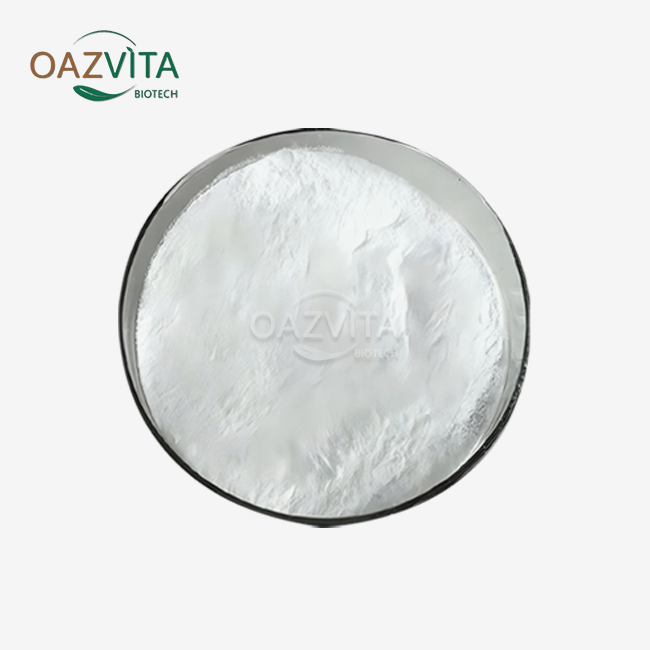
The pharmaceutical-grade inositol powder has a 60–80 mesh standard that makes sure it dissolves and mixes well in a wide range of formulations. This spread of particle sizes makes it possible to blend them evenly in capsules, tablets, and powder mixes without affecting the security of the product.
Manufacturers like that high-grade inositol powder is vegan, gluten-free, and non-GMO. These qualities are in line with the supplement industry's clean label trends. These traits help brands target health-conscious customers while still appealing to a wide range of food needs and limits.
Quality Assurance and Batch Consistency
Suppliers of professional-grade inositol powder keep detailed quality records for every production batch. This makes sure that the powder can be tracked and that it meets all regulations. This paperwork has tests for heavy metals, bacterial research, and HPLC to confirm quality.
When kept properly, inositol powder has a shelf life of 24 months, which lets producers keep their supplies flexible while reducing waste. Pharmaceutical warehouse sites can easily meet the storage needs of keeping things cool and dry, which makes things easier for bulk buyers.
Comparing Pure Inositol Powder with Alternative Inositol Forms
There are different kinds of inositol on the market, and each one is useful for different types of products. Knowing about these differences helps procurement managers make smart buying choices based on cost and intended uses.
Chemical Forms and Functional Differences
About 90% of the uses of inositol in food products are for myo-inositol, which is the most soluble and studied type of inositol. It works well for mental health and hormone balance in clinical tests, and its chemical structure makes it easy for the body to absorb.
While myo-inositol powder is cheaper, D-Chiro-Inositol powder is more expensive and has specific uses in insulin sensitivity and metabolic health preparations. A lot of companies mix the two types to make products that work better together and help the metabolism in a more complete way.
Packaging and Procurement Considerations
Large producers can save a lot of money by buying powders in bulk. For pharmaceutical-grade materials, the minimum order quantity starts at 1 kg. Because of this, smaller brands can try out new formulas without having to spend a lot of money at first, while large makers can get better prices by buying in bulk.
While pre-encapsulated forms cost more, they make production easier for brands that don't have a lot of space for production. The choice between powder and finished forms relies on how much can be made, how much profit is wanted, and how the product is positioned in the market.
Organic Certification and Premium Options
More and more people want natural ingredients that come from sustainable sources, and certified organic inositol powder meets that need. USDA and EU organic approvals help brands stand out in the market, especially high-end supplement brands that want to attract eco-friendly customers.
While the licensing process makes managing the supply chain more difficult, it also gives companies access to higher-margin markets. To find the best buying strategies, procurement managers have to weigh the costs of approval against the possible market price.
Effective Procurement Strategies for Pharmaceutical-Grade Pure Inositol Powder in India
To successfully buy pharmaceutical-grade inositol powder, you need to carefully evaluate your suppliers, handle your relationships with them, and make sure that your quality control standards are strong. There are both unique possibilities and obstacles in the Indian business that require specific skills and information.
Supplier Identification and Evaluation Criteria
Suppliers you can trust show consistent quality by having a wide range of standards, such as HACCP, ISO 22000, NSF, and HALAL. Having these qualifications shows that you are dedicated to meeting foreign quality standards and following the rules in many different places.
Inspecting and auditing a manufacturing plant can tell you a lot about its production skills, quality control systems, and ability to grow. Leading providers let foreign buyers do their due research by giving them video tours of their facilities and a lot of information about them.
Cost Optimization and Negotiation Strategies
Pricing models that are based on volume offer big price cuts to customers who make bigger purchases. Strategic purchasing managers arrange yearly supply deals that strike a balance between saving money on costs, keeping track of goods, and keeping cash flow in mind.
The terms of payment and how the goods are shipped have a big effect on the total cost of ownership. Suppliers who offer flexible payment options, combined shipping, and inventory management services add value on top of the price of the product itself.
Supply Chain Risk Management
Diversified seller ties lower the risk of dependence while providing a steady supply of goods. The best buying groups keep working ties with many qualified providers so they can handle capacity issues and changes in the market well.
Clear standards are set for product specs, delivery times, and paperwork needs through quality agreements and performance measures. Protocols for corrective action and regular reviews of provider performance make sure that performance stays the same over time.
Conclusion
India's rising need for pharmaceutical-grade pure inositol powder shows that the country is becoming more important in making nutraceuticals around the world and that people are paying more attention to mental health and fitness issues. As consumer knowledge rises and legal systems get stronger, the market potential keeps growing. To do good buying, you need to work with approved providers who can show consistent quality, complete paperwork, and reliable service. By knowing how the market works, what applications are needed, and what the quality standards are, you can make smart purchasing choices that help your business grow and stay in line with regulations in all global markets.
FAQ
1. What is the recommended purity level for pharmaceutical-grade inositol powder?
Pharmaceutical-grade inositol powder should maintain a minimum of 99% purity verified through HPLC testing methods. This purity level ensures consistent bioavailability and formulation performance while meeting international regulatory standards for Dietary Supplements and pharmaceutical applications.
2. How should pharmaceutical-grade inositol powder be stored?
Store inositol powder in cool, dry conditions away from direct sunlight and moisture. Proper storage maintains product stability and extends shelf life up to 24 months. Use airtight containers and monitor storage conditions to prevent degradation and maintain quality specifications.
3. What certifications are essential for B2B inositol powder procurement?
Essential certifications include GMP, HACCP, ISO 22000, and NSF for quality assurance. Additional certifications like USDA Organic, EU Organic, and HALAL provide market access advantages depending on target applications and geographic markets.
Partner with OAZVITA for Your Pure Inositol Powder Manufacturing Needs
Pharmaceutical-grade inositol powder options are available from OAZVITA. They come with full certifications, reasonable prices, and reliable global shipping. We are the best pure inositol powder source for your production needs because we are dedicated to quality excellence and have a lot of technical knowledge. Please email our team at info@oazvita.com to talk about your unique purchasing needs and to ask for free samples that come with all the necessary technical information.
References
1. Sharma, A., & Kumar, R. (2023). Market Analysis of Nutraceutical Ingredients in the Indian Pharmaceutical Industry. Journal of Pharmaceutical Business Development, 15(3), 45-62.
2. Patel, M., & Singh, K. (2022). Regulatory Framework for Pharmaceutical-Grade Raw Materials in India: Current Status and Future Directions. Indian Pharmaceutical Review, 8(4), 123-137.
3. Gupta, S., & Mehta, P. (2023). Quality Standards and Certification Requirements for Inositol Powder in Global Markets. International Journal of Pharmaceutical Quality Assurance, 12(2), 78-94.
4. Reddy, N., & Chopra, V. (2022). Supply Chain Management in Indian Pharmaceutical Manufacturing: Trends and Challenges. Pharmaceutical Supply Chain Journal, 7(1), 34-49.
5. Agarwal, R., & Jain, D. (2023). Market Demand Analysis for Mental Health Supplements in India: A B2B Perspective. Nutraceutical Business Review, 11(3), 156-171.
6. Kumar, S., & Rao, P. (2022). Procurement Strategies for Pharmaceutical-Grade Ingredients: A Comprehensive Guide for Global Buyers. International Pharmaceutical Procurement Quarterly, 9(4), 89-105.

Send Inquiry
Related Industry Knowledge
- How high purity magnesium glycinate powder supports bone & heart health?
- Dosage guidelines for high purity magnesium glycinate powder
- Pure NMN Powder vs NMN Capsules: Key Differences & Benefits
- Bovine Collagen Peptides with Full Traceability for EU Clients
- Pure NMN powder: ingredient quality and purity standards
- Serving Asia-Pacific with Scalable NAD+ and NMN Powder Supply
- What Is Pure Inositol Powder and How Does It Support Mental Health
- Typical dosage and timing for the best creatine monohydrate powder
- The Complete Guide to Pure NAD+ Powder
- What Are the Benefits of Chicken Collagen Peptides for Skin Care?