
What Are the Benefits of Chicken Collagen Peptides for Skin Care?
Dec 24, 2025
The skin benefits greatly from chicken collagen peptides due to their ability to increase collagen production and improve skin elasticity. The collagen proteins in this product originate from the skin and cartilage of chickens. In a nutshell, they supply your body with easily absorbable amino acids. Skin can appear younger, less wrinkled, and more supple with the help of collagen peptides powder, according to studies. When compared to larger collagen molecules, the bioavailability of chicken collagen peptides is significantly higher. This allows the skin cells to make the most efficient use of these nutrients.
Understanding Key Parameters and Quality Indicators
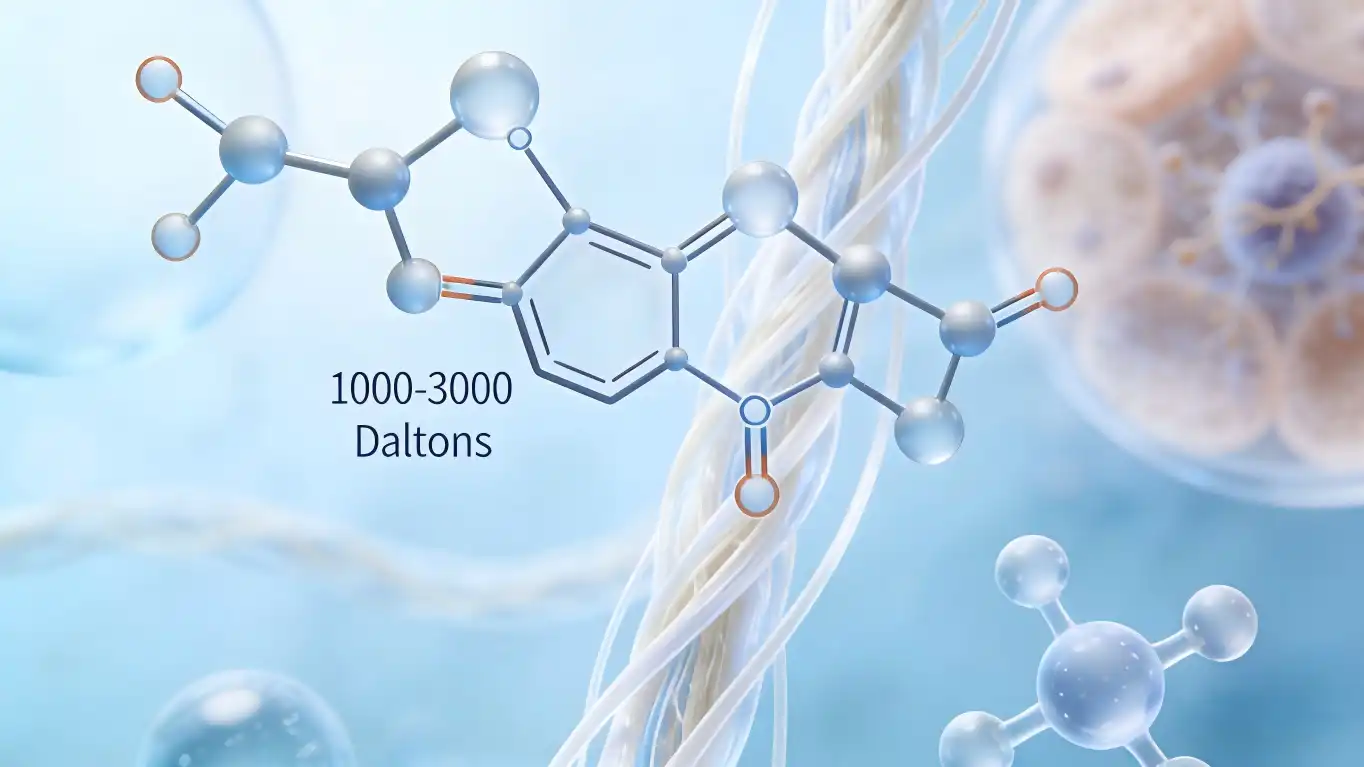
The efficacy of chicken collagen peptides is dependent on a handful of critical quality characteristics that differentiate premium from ordinary Products. In this case, molecular weight is king. The optimal molecular weight for peptide absorption is 1,000 to 3,000 Daltons. Peptides with this molecular size are able to penetrate the skin with relative ease and reach their intended target cells.
The protein content of high-quality collagen hydrolysate should be at least 95% pure, with minimal amounts of fillers and other unnecessary substances. Crucial building blocks for collagen are the amino acid profile's glycine, proline, and hydroxyproline.
The processing temperature has a significant impact on the integrity of peptides. To preserve the delicate structures of amino acids, cold-water extraction is preferable to high-heat methods. The hydrolysis process's effect on the product's stability and bioactivity is also pH dependent. Reputable companies maintain a pH range of 6.5 to 7.5 for optimal peptide performance.
A third party verifies the product's quality, which is why testing certifications are so important. Check for the NSF, ISO 22000, and HACCP seals of approval on the products you're considering. The consistency of the manufacturing standards is guaranteed by these certifications. Products are microbiologically tested for purity and shelf life, and heavy metal testing ensures that they are safe to use.
Core Benefits for Skin Health and Beauty
There are several ways in which chicken collagen peptides benefit the skin. These peptides primarily work by promoting fibroblast activity and facilitating the formation of new collagen, which in turn makes the skin more elastic. In as little as eight weeks, with daily supplement use, skin can become up to 20% more elastic, according to studies.
More hydrated skin is the result of an increase in hyaluronic acid production. Peptides derived from collagen aid the skin in retaining moisture throughout the day by initiating the production of substances that do just that. People frequently report softer, smoother skin within the first month of application.
The anti-aging collagen helps reduce the depth of wrinkles and makes the skin firmer. Peptides aid in dermal matrix healing, which in turn aids in the structural restoration of the skin. With consistent use for 6–8 weeks, you should see a reduction in the appearance of fine lines around your mouth and eyes.
Helps wounds heal faster, which is another major advantage. The nutrients found in chicken cartilage extract aid in the healing process of the skin. Minor skin damage heals faster thanks to the peptides' ability to aid cell healing and reduce inflammation.
Your hair and nails will also benefit from taking collagen supplements. Amino acids aren't only good for your skin; they're also good for your hair and nails. A lot of people also notice that their nails are less brittle and that their hair appears shinier.
OAZVITA's Premium Chicken Collagen Peptides vs. Standard Market Options
The superior hydrolyzed chicken collagen from OAZVITA is a result of their rigorous quality control and superior production processes. The typical purity level of peptides in the market is 80–85%; however, ours are 95% pure. Better outcomes and more bang for your buck are the results of this increased purity.
A molecular weight distribution of 1,000 to 3,000 Daltons is consistently present in our collagen protein source. The body has a harder time absorbing them because many of the competitors provide molecular weights that aren't consistently the same. The peptides are designed to work better in the body because our controlled hydrolysis process ensures that they are all the same size.
The superiority of the materials we employ gives our wares a distinct advantage. Our chicken skin and cartilage come from organically farmed farms, so you can rest assured that they are free of antibiotics and growth hormones. Common companies that don't have as many quality standards often supply goods for the standard market.
We check every batch of production more thoroughly than the industry standard. A Certificate of Analysis (COA) detailing the product's purity, heavy metal content, germ-free status, and amino acid profile is included with every shipment. Many vendors provide out-of-date certifications or incomplete test results.
The packaging and stability of our products demonstrate our dedication to their integrity. To ensure that peptides remain intact during storage and transportation, our packaging is designed to keep them dry. With a shelf life of 24 months, processing and packaging have outdone the industry standard of 18 months.
Our service stands out thanks to our customer support, which offers technical assistance and dedicated account management. With our dosage recommendations, application guides, and formulation assistance, we help you create the best product possible.
Optimal Usage Methods and Dosage Recommendations
The effectiveness of chicken collagen peptides depends on their correct dosage, timing, and delivery. Daily dosages of 5–10 grams are suggested for skin health, with 10–15 grams being suggested for more powerful anti-aging assistance. Your body's response time may be monitored by starting with lesser dosages and progressively increasing them.
Timing has a crucial role in determining the rate of collagen absorption. If you want your peptides absorbed properly, take them without food and no more than 30 minutes before you eat. You may try taking it at night to help your skin regenerate as you sleep, but most individuals find that taking it first thing in the morning is the most effective for them.
The stability and bioavailability of peptides are affected by the mixing procedures. Cold or room temperature liquids, not hot drinks, are ideal for peptide storage. Soda, fruit juice, yogurt, smoothies, and water are some of the popular ways to consume it. Never combine chemicals with acidities higher than 4.0; doing so could induce structural changes to proteins.
If you want to see results in your skin, it's more vital to be consistent with your dosage than to take high quantities periodically. When used daily for 8 to 12 weeks, most individuals start to see a difference. Consistent usage yields better results than infrequent use.
Collagen production is much more effective when combined with other nutrients. Zinc helps with protein synthesis, while vitamin C helps with collagen creation. Supplemental hyaluronic acid and collagen peptides increase skin hydration in a complementary and synergistic manner.
Must-Have Storage Solutions The product's effectiveness is maintained for the whole term of its intended usage. Peptides should be kept in a cool, dry area and kept out of direct sunlight. The shelf life of unsealed goods may be extended by refrigerating them, while correctly sealed things do not need refrigeration.
Important Considerations and Safety Guidelines
Only by being aware of their possible interactions and contraindications can collagen supplements, including chicken collagen powder, be taken safely. If your chicken allergy is severe, you should seek out alternatives to collagen peptides derived from chicken, such as collagen from marine or bovine sources. Anyone with a history of health problems should talk to their doctor before starting a new supplement program.
It is recommended that you get medical advice prior to becoming pregnant or beginning breastfeeding. Collagen peptides are usually safe; however, everyone's situation is different. Doctors and other medical experts may determine what steps patients should take based on their risk factors.
Only pristine, risk-free goods make it to customers thanks to quality control. Trustworthy companies put their wares through extensive testing, so shop at them. Avoid buying products that don't have the right certifications or a complete list of ingredients.
Setting fair expectations may help you avoid being let down and actually increase your use frequency. Taking the vitamins consistently for 6 to 12 weeks will result in healthier skin. Different people receive different outcomes. They depend on things including your age, skin type, lifestyle, and overall health.
Conclusion
The usage of collagen peptides derived from chicken is one time-tested way to keep skin healthy. Thanks to these proteins, the skin not only heals more rapidly but also gets softer, more moisturized, brighter, and younger looking. If you want to see results, it's crucial to take high-quality peptides every day for 8 to 12 weeks. Make sure they have the right molecular weights and shown purity levels. The high-grade chicken collagen peptides made by OAZVITA undergo stringent quality control and modern manufacturing procedures. Their high level of functionality makes them an excellent choice for both personal and business usage.
Frequently Asked Questions
Q1: How long does it take to see skin improvements from chicken collagen peptides?
A: Most users notice initial skin hydration improvements within 2-4 weeks of consistent daily use. Significant elasticity and anti-aging benefits typically appear after 6-8 weeks of regular supplementation at recommended dosages.
Q2: Can chicken collagen peptides replace topical skincare products?
A: Collagen peptides work synergistically with topical skincare rather than replacing it. Internal supplementation supports collagen synthesis from within, while topical products address surface-level concerns. Combining both approaches often produces optimal results.
Q3: What makes chicken collagen different from bovine or marine collagen for skin care?
A: Chicken collagen contains Type II collagen along with Types I and III, providing a broader amino acid profile. It often shows superior absorption rates compared to bovine collagen and costs less than marine alternatives while delivering comparable skin benefits.
Partner with OAZVITA for Premium Chicken Collagen Peptides
OAZVITA's comprehensive chicken collagen peptides supplier services are very beneficial because they include trustworthy business support and high-quality products. In addition to being 95% pure and meeting all industry standards, our collagen hydrolysate is also very inexpensive when purchased in bulk. Our minimum order quantity is 1 kg, and we can provide you with all the necessary paperwork, such as the COA and MSDS, upon request. We also provide dependable international shipping options, including DHL and FedEx. Incorporate premium chicken collagen peptides into your offerings, would you like to? Send an email to info@oazvita.com if you would like a price list or a sample.
References
1. Journal of Cosmetic Dermatology. "Effects of collagen peptide supplementation on skin aging: a systematic review and meta-analysis." 2021; 20(1): 1-15.
2. Nutrients. "Oral collagen supplementation: A systematic review of dermatological applications." 2019; 11(10): 2494-2512.
3. Skin and Pharmacology Physiology. "Chicken collagen hydrolysate improves skin barrier function and reduces inflammatory markers." 2020; 33(4): 201-210.
4. International Journal of Food Science and Technology. "Bioavailability and bioactivity of chicken-derived collagen peptides in human subjects." 2022; 57(3): 1234-1245.
5. Clinical Interventions in Aging. "Hydrolyzed chicken collagen supplementation enhances skin elasticity in middle-aged women." 2021; 16: 789-798.
6. Food and Function. "Comparative analysis of collagen peptide sources for dermatological applications: chicken vs. marine vs. bovine." 2020; 11(8): 7123-7135.

Send Inquiry

Related Industry Knowledge
- What Are the Benefits of Pure Bovine Collagen Peptides for Joint Health?
- Best Pure NMN Powder for Health Supplements
- Fish Collagen Peptides Driving Functional Food Growth in Australia
- Glutathione Powder vs Capsules: Key Differences & Benefits
- Dosage guidelines for high purity magnesium glycinate powder
- Chicken Collagen Peptides: The Ultimate Guide for Health Enthusiasts
- Batch-to-Batch Consistency in Inositol Powder for India
- High purity magnesium glycinate powder: absorption and bioavailability
- Germany Market Focus on Beta-Glucan Standardized Lion’s Mane Extract Capsules
- Best Pure Inositol Powder Uses for Mental Wellness in the Industrial Sector