
What Is Glutathione Powder and How Does It Work in Skincare?
Dec 31, 2025
What is glutathione powder, and how is it used in skincare? Glutathione powder is a powerful antioxidant comprised of glutamine, cysteine, and glycine. This powerful cosmetics ingredient inhibits free radicals, melanin, and cell regeneration. Beauty experts say L-Glutathione brightens and rejuvenates skin. This minimizes cell reactive stress, making skin healthier, more even-toned, and less hyperpigmented when applied or taken as a vitamin.
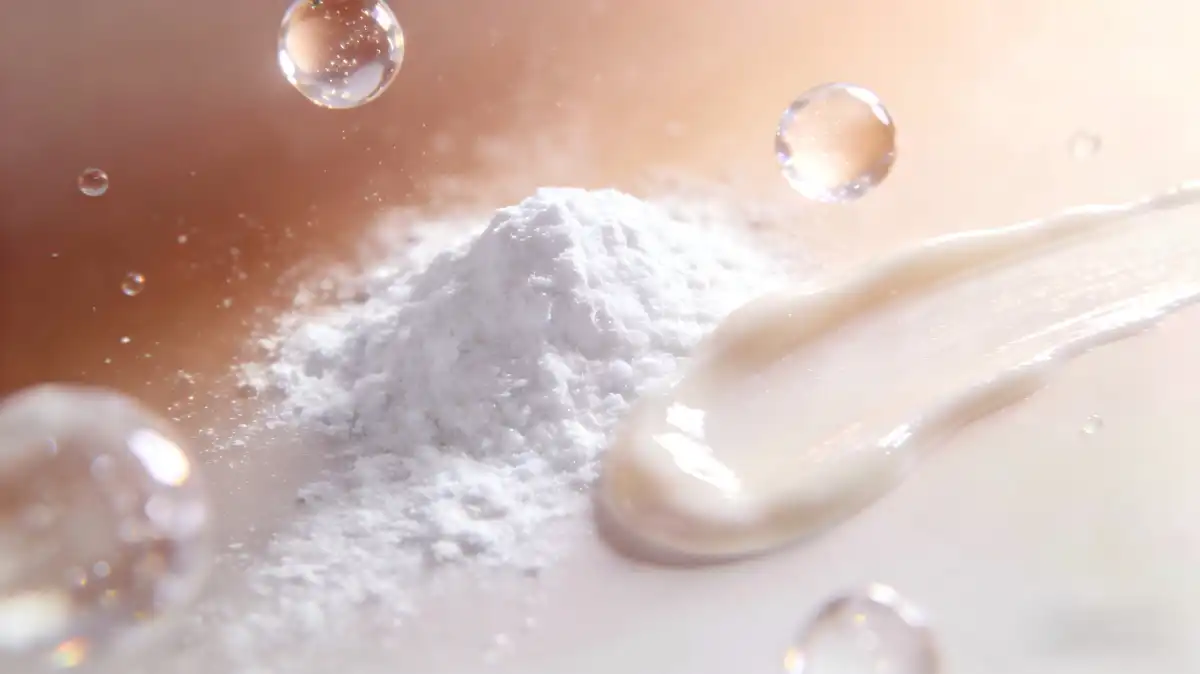

What is glutathione powder?
Glutathione powder is called a "master antioxidant," and it protects cells and gets rid of toxins in them. A tripeptide made up of three important amino acids works together to protect the body from toxic damage.
Reduced glutathione (GSH) gets the most out of medicines. Unlike other antioxidants that work on their own, glutathione powder is an important part of health Products because it can restore vitamins C and E and help them work again.
Reduced glutathione powder is steady and useful in many ways when it is in powder form. It's easy to get the right amount of powder in glutathione pills and topical beauty products, and it is also easy to mix them in. A well-made soluble form encourages the best absorption, so it is good for makeup and nutritional supplements.
Reduced glutathione powder can get into cell walls and protect mitochondria because of its chemical nature. Glutathione powder can help with skin problems at their source because it gets deep into cells.
Better methods of extraction and processing have made high-purity reduced glutathione powder (98% HPLC grade) available for business use. This guarantees that the quality and effectiveness are always the same.
The Problem It Solves in Skincare
Environmental degradation, aging, and uneven skin tones burden the beauty sector. Pollution, anxiety, UV radiation, and aging destroy cells and age skin.
Another major cause of skin breakdown is oxidative stress. Toxins and metabolism produce free radicals that damage healthy skin cell collagen, elastin, and DNA. Oxidative damage dulls skin and creates wrinkles, fine lines, and age spots.
Skincare professionals and clients face uneven skin tone and discoloration. Melanin overproduction is caused by hormones, UV exposure, and inflammation. Dark patches, melasma, and other pigmentation abnormalities result, making routine treatment difficult.
Reduced glutathione powder benefits skin cells and surfaces. Glutathione powder removes free radicals and heals cells, treating numerous health issues.
Glutathione detoxifies skin cells over time, removing toxic toxins. Cleaning cells in this manner helps the skin repair and look fantastic.
Glutathione repairs the major causes of skin aging and damage, providing longer-term anti-aging advantages than typical skincare solutions.
Core Features & Functionality Deep Dive
Reduced glutathione powder is mostly known in makeup for its ability to protect the skin from damage. This tripeptide neutralizes ROS before they can hurt cells because it is an efficient electron giver. In contrast to antioxidants that only do one thing, glutathione guards against many types of reactive damage. Another important skin-whitening effect of glutathione is that it inhibits melanin. The compound's blocking of the tyrosinase pathway lowers cellular melanin production. This makes skin more even and bright by getting rid of dark spots and stopping new ones from forming.
Glutathione helps skin healing by helping cells grow again. Optimizing energy production and protecting mitochondrial function, glutathione speeds up the renewal of skin cells. Better cellular turnover makes the skin smoother, reduces small lines, and makes the skin look young again. Glutathione is very important for keeping collagen production going. It keeps collagen fibers safe and helps make more collagen. These two things make skin look younger over time by keeping it tight and soft.
Glutathione supports immune health by strengthening protection against the skin. Immunity makes the skin more resilient by helping it deal with stresses from the outside and heal more quickly. Since glutathione gets rid of harmful chemicals in skin cells, cleansing is another benefit. During cellular cleaning, toxicity that causes inflammation and early age is taken away, which makes the skin work better.
Technology Behind Glutathione Powder Production
Complex biotechnological methods are used to make glutathione powder that is very pure and easy for the body to use. Chosen bacteria used in advanced fermentation make glutathione that is steady and useful.
Pharmaceutical and beauty uses require HPLC with 98% purity, which is achievable with this cleaning method. Multi-stage chromatography removes contaminants and then focuses the active ingredient to a level that is useful for treatment while keeping the biological activity. Stabilization technology helps keep the biologically active reduced form during glutathione production. Certain ways of drying and packing the drug protect it during storage and shipment.
Quality control methods use HPLC testing to make sure that each batch made is still pure and strong. This scientific method checks the quality of the healing batch. By evenly spreading 60–80 mesh powder, particle size optimization increases absorption and bioavailability. Standardizing particle size lets you predict how fast the particles will dissolve and how well the product will work. Engulfing and making glutathione powder keeps it from breaking down and helps it be absorbed better. These better ways of delivering glutathione help oral vitamins and topicals.
Key Advantages in Skincare Applications
Glutathione powder is a great addition to health items because it is flexible. Because it is so useful, glutathione can be added to serums, creams, Dietary Supplements, and professional skin care products to make skin healthier. In contrast to other skincare ingredients, glutathione is quickly absorbed. Because its molecules are so small and it naturally works well with cellular processes, the substance quickly gets through the skin and helps target cells in exactly the right way.
Glutathione makes skincare more effective by working together with other ingredients. Antioxidant action is increased by combining with glutathione and vitamin C, and other peptides are known to fight age. Glutathione is good for all health because it is compatible with the face. Long-term safety makes producers and buyers happy. Glutathione made by the body lowers the risk of bad reactions compared to chemicals made in a lab. Natural nature encourages long-term use of skin care products.
Today's technology makes stable goods with a shelf life that doesn't change. If glutathione is properly formulated and packaged, customers can get the same benefits from it for up to 24 months, and less waste is created in the factory. Glutathione powder's large price is popular with commercial beauty companies. The condensed powder keeps the effective dose levels in formulas, which means it can make the cost of production more efficient without lowering the quality.
Key Considerations for Manufacturing and Using Glutathione Powder
People who make and use glutathione powder should know about its problems. Because the chemical is sensitive to light, heat, and air, carefully storing and handling it will keep it effective. If you don't store it correctly, it could oxidize and become inefficient. During processing, the tripeptide can be broken down, which means that taking glutathione by mouth may not always work for everyone. Liposomal mixtures and transport methods have been created to improve absorption. Because people react differently, glutathione's amount and effect may change a lot. It is hard to give a standard-sized dose because of age, health, and differences in how genes affect glutathione levels and metabolism.
Ultra-pure glutathione powder is more expensive than other similar health products. It may be hard for some types of products to enter the market if they are expensive to make or buy. Different rules apply to different markets and uses. Glutathione is usually safe in nutritional supplements and makeup, but promises and dosage standards differ from country to country, making strict compliance management necessary.
Glutathione Powder vs. The Competition
Vitamin C serum is a popular antioxidant for the face, and it is not the same as glutathione powder in a number of ways. Vitamin C, unlike glutathione, only protects against oxidation and doesn't slow down the production of melanin or help cells regenerate. Vitamin C is prone to oxidation and instability, so it needs more complex ways to keep it stable. Alpha arbutin is another coloring chemical that works against glutathione in browning treatments. Alpha arbutin can stop tyrosinase from working, but it doesn't have the same cell-protecting and antioxidant effects that glutathione does. Glutathione helps skin stay healthy and changes the color of the face.
Niacinamide is similar to glutathione in that it makes the skin look brighter and fights age. Niacinamide, on the other hand, doesn't protect or help detoxify the same way because it works in a different way. Niacinamide and glutathione combined usually work better together. Hydroquinone is helpful for discoloration, but it is not safe in some areas. Instead of hydroquinone, glutathione might safely brighten skin over time.
Glutathione guards and strengthens cells, while retinol and other retinoids speed up turnover. Because of their different ways of working, glutathione and retinoids can be used together in anti-aging products with great effect. Because glutathione comes from nature and is similar to substances in the body, it works better with the body than manufactured versions that are chemically different. It also works well in many different situations.
Target Audience & Ideal Use Cases
Most of the people who buy glutathione powder are health and nutrition product companies, particularly those whose focus is on skin health and staying young. These companies pick highly pure, effective chemicals to stand out in markets where there is a lot of competition. Formulations using glutathione powder can be as simple as pills or as complex as mixes with many ingredients. Glutathione's benefits for nutricosmetics are being discovered by health and beauty companies. Companies that sell skin health products and support "beauty from within" target specific buyers. Customers want clear, known drugs, and clean-label glutathione fits that need.
Glutathione is used by doctors and aestetics for discoloration, melasma, and skin renewal. The chemical is perfect for professional treatments that need to be the same every time because it is known to be successful and safe. Food and drink makers add glutathione to health-conscious goods. People who want to get healthy easily will like that glutathione can help with skin and is an antioxidant. It can be found in beauty drinks, useful teas, and snacks that have extra nutrients. Private label companies pick glutathione powder because it lets them make products and get them to market quickly. The chemical has known benefits, and consumers know about them, so it's possible to make great products with little R&D.
Glutathione is often added to sports diet because it helps with healing and is an antioxidant. Glutathione may be able to help with reactive stress from exercise. Athletes want this for their health and to help them perform better.
Conclusion
Glutathione powder changes skin care and health by fixing many problems at the same time. Its unique antioxidant defense, pigment prevention, and cellular support make both exterior and internal therapy better. As the demand for natural and effective skincare products grows, glutathione will surely be used in more skincare products. Researchers are working on transport methods and mix treatments to make glutathione an important part of new makeup and health goods.
Frequently Asked Questions
Q1: What is the recommended glutathione dosage for skincare benefits?
A: The optimal glutathione dosage varies based on individual needs and product formulation. For oral supplements, typical dosages range from 250-1000mg daily, while topical applications use lower concentrations (0.5-2%). Consulting with healthcare professionals helps determine appropriate dosing for specific skin concerns and individual health status.
Q2: How long does it take to see glutathione whitening effects?
A: Visible glutathione skin whitening results typically appear within 4-8 weeks of consistent use, though individual responses may vary. Factors such as existing skin condition, dosage, product formulation, and overall health influence the timeline for noticeable improvements in skin tone and pigmentation.
Q3: Can glutathione powder be combined with other skincare ingredients?
A: Yes, glutathione powder demonstrates excellent compatibility with most skincare ingredients. Popular combinations include glutathione with vitamin C for enhanced antioxidant effects, or with collagen peptides for comprehensive anti-aging benefits. Proper formulation ensures stability and maximizes synergistic effects between ingredients.
Partner with OAZVITA for Premium Glutathione Powder Solutions
OAZVITA stands as your trusted glutathione powder manufacturer, delivering pharmaceutical-grade L-Glutathione (CAS NO.: 70-18-8) with 98% HPLC purity. Our advanced production facilities maintain strict quality standards through HACCP, ISO 22000, and USDA Organic certifications, ensuring your products meet international regulatory requirements. With flexible MOQs starting at 1kg and rapid 1-5 day delivery, we support both emerging brands and established manufacturers. Ready to elevate your skincare or supplement formulations? Contact Us at info@oazvita.com for free samples and customized solutions.
References
1. Zhai, H., & Maibach, H. I. (2004). Skin whitening agents: an overview. Skin Pharmacology and Physiology, 17(4), 143-152.
2. Weschawalit, S., Thongthip, S., Phutrakool, P., & Asawanonda, P. (2017). Glutathione and its antiaging and antimelanogenic effects. Clinical, Cosmetic and Investigational Dermatology, 10, 147-153.
3. Pompella, A., Visvikis, A., Paolicchi, A., De Tata, V., & Casini, A. F. (2003). The changing faces of glutathione, a cellular protagonist. Biochemical Pharmacology, 66(8), 1499-1503.
4. Villarama, C. D., & Maibach, H. I. (2005). Glutathione as a depigmenting agent: an overview. International Journal of Cosmetic Science, 27(3), 147-153.
5. Ballatori, N., Krance, S. M., Notenboom, S., Shi, S., Tieu, K., & Hammond, C. L. (2009). Glutathione dysregulation and the etiology and progression of human diseases. Biological Chemistry, 390(3), 191-214.
6. Sonthalia, S., Jha, A. K., Lallas, A., Jain, G., & Jakhar, D. (2018). Glutathione for skin lightening: a regnant myth or evidence-based verity? Dermatology Practical & Conceptual, 8(1), 15-21.

Send Inquiry


Related Industry Knowledge
- Germany Demand for Highly Bioavailable Pure Magnesium Glycinate Capsules
- NR Chloride Powder Quality Audits for Japanese Pharmaceutical Buyers
- What Is Pure NAD+ Powder and How Does It Work in Anti-Aging
- Buyer’s Guide: How to Choose the Best Pure NAD+ Powder
- Pure Inositol Powder vs Myo-Inositol: Key Differences Explained
- Pure NMN Powder vs NMN Capsules: Key Differences & Benefits
- Reliable NR Chloride Powder Partner for Japanese Nutraceutical Companies
- TUDCA Powder Quality vs Cost: What Korean Importers Should Know
- Germany Market Focus on Beta-Glucan Standardized Lion’s Mane Extract Capsules
- The Complete Guide to Nicotinamide Riboside Chloride Powder