
Berberine for weight loss: Benefits and what you need to know
Sep 03, 2026
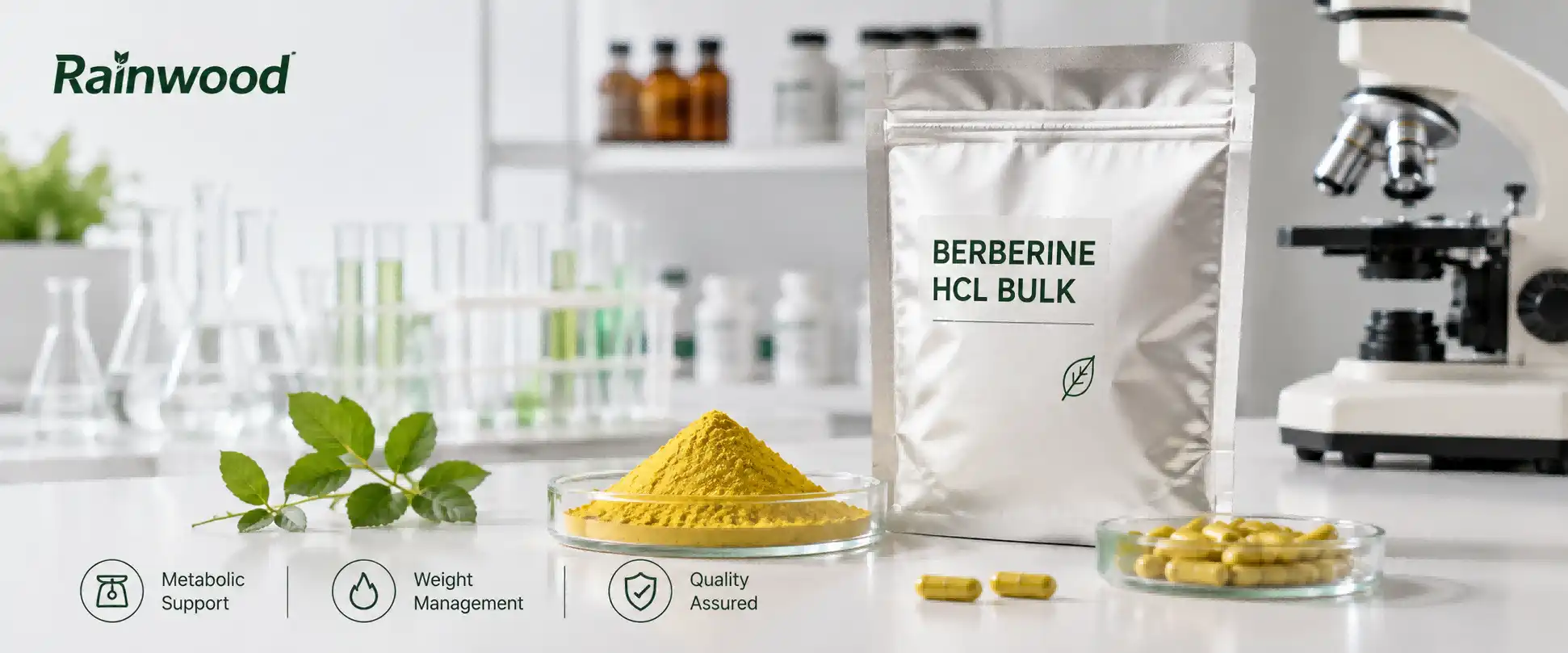
Berberine has captured the attention of supplement formulators worldwide as a natural compound with promising metabolic support properties. Extracted from several botanical sources, including Phellodendron amurense and Berberis vulgaris, Berberine HCL Bulk offers manufacturers a standardized, high-purity ingredient ideal for weight management formulations. With a typical purity of 97% via HPLC, this yellow crystalline powder activates cellular pathways that influence how the body processes energy and stores fat. Understanding its mechanisms, benefits, and procurement considerations helps brands create effective, market-ready Products that meet consumer demand for natural metabolic support solutions.
Understanding Berberine HCL Bulk and Its Role in Weight Loss
What Makes Berberine HCL Bulk Essential for Manufacturers
Because it is chemically stable and bioavailable in a uniform way, berberine hydrochloride is the best form for large-scale production. Instead of raw plant powders that have different amounts of alkaloids, Berberine HCL Bulk has the same amount of potency in all production runs. This dependability is very important when making products that need to meet legal standards and label claims. Compared to other berberine salts, the hydrochloride salt form dissolves better, making it easier to add to capsules, tablets, and powder blends. Manufacturers like bulk sourcing because it lowers the cost per unit while keeping the quality of the ingredients that is needed for competitive supplement lines.
How Berberine Influences Metabolic Pathways
Aspartate Monophosphate-Activated Protein Kinase (AMPK) is an enzyme that does a lot of work inside cells. It turns on the substance. When AMPK is turned on, cells take in more glucose and burn more fat, while making less fat and storing less of it. This cascade effect affects many systems at once, which explains berberine's wide metabolic effect. According to research, berberine changes how sensitive the body is to insulin by increasing the development of insulin receptors and making glucose transporters work better. The compound also changes the make-up of the gut bacteria, which may help metabolism by working on the gut-metabolism link.
Scientific Evidence Supporting Metabolic Benefits
Clinical studies have shown that berberine can change markers of body composition. People with high body mass indices who took berberine supplements and made changes to their lifestyles saw changes in their weight and waist size that could be measured after 12 weeks. In a different study that looked at metabolic parameters, berberine intake was linked to better lipid profiles and fasting glucose levels. The substance is different from single-target ingredients because it can affect multiple biochemical pathways at the same time. These research results give formulators the evidence-based base they need to make weight management products that picky customers will want.
Benefits and Safety of Using Berberine HCL Bulk for Weight Loss
Key Therapeutic Advantages for Product Development
Berberine hydrochloride powder has a number of useful properties that make weight management products better. The compound helps keep blood sugar levels in a healthy range, which has a direct effect on controlling hunger and keeping energy levels steady throughout the day. The benefits of berberine on lipid metabolism, especially on cholesterol levels, have a positive effect on the cardiovascular system. Antioxidants protect cell structures from reactive stress, which is linked to metabolic problems. When you add these benefits together, you get a full metabolic support profile that health-conscious people looking for natural options will like. When formulators place their goods in competitive markets, they can use these many benefits to their advantage.
Recommended Dosing and Formulation Best Practices
Industry rules usually say that people should take between 900 mg and 1,500 mg of Berberine Hydrochloride Powder every day, spread out over two or three doses. When manufacturers make products with 97% Berberine HCL Bulk powder, they need to think about purity levels to make sure they get the right amount of active ingredient. Because berberine has a bitter taste, it needs to be encapsulated, or flavoring techniques need to be used in powder mixes. Controlling the particle size at 80 mesh makes sure that finished products are spread out evenly and that dissolution rates stay the same. When you mix berberine with chemicals that work well together, like chromium or alpha-lipoic acid, you can make formulations that work better together and help more than one metabolic route.
Safety Considerations and Regulatory Compliance
When used at the recommended amounts, berberine hydrochloride has a relatively good profile. Heavy metal standards for goods must be met by manufacturers, with arsenic below 1ppm, mercury below 0.1ppm, cadmium below 1ppm, and lead below 3ppm. This must be proven through ICP-MS testing. Microbiological standards say that the total plate counts must be less than 1000 cfu/g and there must be no dangerous bacteria present. Getting certified in GMP, ISO 22000, and HACCP shows that you care about quality, which makes customers trust you. Documentation like COA, MSDS, and TDS makes things clear, which is what B2B buyers expect from professional sellers.
Comparing Berberine HCL Bulk with Other Forms and Similar Compounds
Evaluating Different Berberine Salt Forms
Although berberine sulfate is a different salt form, berberine hydrochloride is still the standard in the business because it is easier to make. The HCL form is better at keeping its moisture level, which is important for maintaining the consistency of the element while it is being stored and shipped. Different solubility affects the flexibility of the formulation. Berberine HCL Bulk has more predictable dissolution profiles. Cost factors support HCL production because of well-known manufacturing methods and a wider range of suppliers. Standardized testing methods make it easier to keep an eye on quality when using hydrochloride bulk powder, as they provide solid proof of purity and identity.
Bulk Powder Advantages Over Finished Dosage Forms
Manufacturers have the most options when they buy berberine as a bulk powder instead of pre-made capsules. Custom formulation development lets brands make their products stand out by using their own blends and dosage strengths. When you buy pharmaceutical-grade powder, you save a lot of money because the price per serving goes down as you buy more. Quality assurance teams can make their own testing plans to make sure that ingredients meet their own standards, which may be higher than the basic standards set by the market. It's now possible to customize the packaging, which lets brands stand out by using bottle designs, labels, and delivery methods that match their brand identity.
Procurement Insights: How to Source High-Quality Berberine HCL Bulk
Selecting Reputable Suppliers with Proper Certifications
To find qualified berberine hydrochloride suppliers, you need to look at a lot of different types of credentials. Regulatory certifications like HACCP, ISO 22000, NSF, HALAL, and organic approvals like EU Organic and USDA Organic show that quality management systems are complete. It is important to check the source because there are both natural botanical extraction methods and synthetic production methods on the market. C14 testing or HPLC fingerprinting proves that the product comes from a natural plant and not a synthetic one, which is important for brands that want to emphasize botanical authenticity. Documentation for traceability should show the full chain of control, from where the raw materials come from to how they are packaged at the end. Stable suppliers are important because well-known companies with steady production capacities make sure that ongoing product lines always have supplies.
Understanding Pricing Trends and Order Requirements
China Berberine HCL Powder Manufacturer Berberine HCL Bulk prices depend on a number of market factors, such as the supply of raw materials, the quality grades, and the number of orders. For sample testing, the minimum order quantity is usually 1 kg. For commercial production, however, bigger commitments are generally needed. As order amounts go up, volume discounts become available. Usually, the price is based on 25 kg, 100 kg, and 500 kg limits. Payment terms vary from supplier to supplier, and long-term relationships can sometimes make it easier to make more flexible plans. Price changes can be caused by changes in the value of the dollar and the harvesting cycles of plants. This is why long-term supply agreements are helpful for budget planning. When buying, teams understand these factors; they can negotiate better terms while still upholding quality standards.
Logistics and Sampling Procedures
When berberine powder is shipped internationally, it has to follow the rules for importing that are specific to each country. Different carriers, such as DHL, FedEx, UPS, and specialized freight forwarders, offer different options for speed and price. Formulators can do their own testing before making big purchases when samples are available. This way, quality factors can be confirmed by an independent laboratory. Hygroscopic ingredients are kept safe from moisture during transport by using the right packing, which usually includes aluminum foil bags with desiccant packets inside fiber drums. For a 24-month shelf life, the product should be stored in a cool, dry place where the temperature can be controlled. Stock items have lead times of 1 to 5 working days, which lets projects move along quickly. However, custom specifications may mean that production schedules need to be extended.
Why Berberine HCL Bulk is the Preferred Choice for Weight Loss Formulators
Cost-Effectiveness and Production Scalability
When working with high-purity Berberine HCL Bulk powder instead of lower-concentration extracts, manufacturing efficiency goes up by a huge amount. The 97% purity standard lets formulators reach target doses with smaller serving sizes. This cuts down on the number of capsules needed and the amount of packaging that needs to be done. Multiple forms are compatible with the production line, such as two-piece pills, tablets, stick packs, and powders in bottles. Consistency from batch to batch makes sure that quality control factors stay the same across production runs. This cuts down on failed batches and waste. All of these things work together to make the economics of production good, which means that profit rates go up while selling prices stay low.
Real-World Success in Market Applications
Supplement companies have successfully released weight loss products with berberine in a number of different market categories. OEM partners like how versatile the ingredient is and use it in berberine supplements on their own, complete metabolic support formulas, and health products just for women. Distributors say that customers are very interested in berberine because more people are learning about its traditional use and how current studies back it up. Private label buyers see berberine products as a way to stand out in the weight control market, which is very competitive. People who want plant-based alternatives to synthetic compounds like the ingredient's "clean label" appeal.
Emerging Trends in Product Innovation
Formulators are still looking into new ways to deliver berberine that make it more bioavailable. Two examples are liposomal encapsulation and nanoparticle technology. Combination products that combine berberine with plants that work well together, like milk thistle or turmeric, make formulations that work better together to reach more than one health goal. Time-release methods make berberine's action window longer, which could make it easier to use by reducing the number of times you have to take it every day. The growth of the market for healthy foods and drinks opens up new uses, but formulation problems like solubility and taste hiding make it harder to make new products. These new uses for the ingredient show that it can be changed to fit changing supplement markets.
Conclusion
Berberine HCL Bulk powder is a great ingredient for companies making products to help with weight loss and metabolism. Its well-studied mechanisms for activating AMPK, managing glucose, and controlling lipids give modern consumers the scientific foundation they expect. When makers can get high-purity, approved bulk material, they can make consistent, effective formulations while keeping production costs low. If you choose the right provider, you'll be able to get high-quality ingredients that meet foreign standards. As more people become interested in natural ways to support their metabolism, berberine formulas give brands a chance to meet market demand with science-based goods.
FAQ
1. How do I verify berberine HCL bulk powder quality?
To check the quality, you need to use more than one checking method. Infrared Absorption (IR) spectroscopy and UV spectral analysis are used to confirm the identity of a substance by checking the results against known standards. ICP-MS testing for heavy metals makes sure that levels of lead, arsenic, mercury, and cadmium stay safe. Gas chromatography looks for solvents that were left over from the extraction process. Testing for microbes confirms that there are no pathogens and that there are total plate counts. Source verification through C14 testing or HPLC fingerprinting tells the difference between manufactured production and natural plant extraction, which is important for brands that focus on natural Berberine HCL Bulk ingredients.
2. Can berberine be combined with other weight management ingredients?
Berberine works well with a lot of other ingredients that are widely found in metabolic products. Chromium picolinate helps the body use glucose in different ways, which could lead to synergy. Additionally, alpha-lipoic acid helps with antioxidants and makes insulin work better. Green tea extract has catechins that may help the body burn more calories. Gymnema sylvestre helps the body use glucose in a good way by working with other substances. When formulating combination goods, they should think about the total number of servings, any possible conflicts, and government rules. Stability testing of finished products makes sure that ingredients work well together throughout the shelf life.
3. What distinguishes natural from synthetic berberine sources?
Natural berberine comes from plants like Phellodendron amurense or Coptis chinensis that are extracted from other plants. Chemical synthesis is used in synthetic production to make molecular shapes that are exactly the same. Even tho they are basically the same, some markets prefer natural sources for clean label positioning. Radiocarbon dating (C14 analysis) and other methods of verification can definitely tell the difference between organic origin and synthetic creation. HPLC fingerprinting shows unique compound profiles connected with extracting plants. Suppliers should be open about the materials they use and how they make their products so that brands can make smart choices about where to get them that are in line with their marketing positioning.
Partner with OAZVITA for Premium Berberine HCL Bulk Supply
Pharmaceutical-grade berberine hydrochloride bulk powder is what OAZVITA does best. They sell it to supplement makers, OEM partners, and distributors all over the world. Our 97% HPLC-verified material comes with full paperwork like COA, MSDS, and TDS, as well as HACCP, ISO 22000, NSF, HALAL, and organic certifications to back them up. We know how hard it is to find trustworthy Berberine HCL Bulk sellers, so we offer free samples so you can check the quality before making big purchases. Minimum order amounts that are flexible and start at 1 kg make it possible for both product development and large-scale production. During the whole process of making your product, our expert team gives you recipe advice and technical help. Get in touch with info@oazvita.com to talk about where you can find berberine and how our low prices, fast delivery (1–5 working days), and personalized service can help you get your product on the market faster.
References
1. Yin J, Xing H, Ye J. "Efficacy of berberine in patients with type 2 diabetes mellitus." Metabolism: Clinical and Experimental, 2008; 57(5):712-717.
2. Zhang Y, Li X, Zou D. "Treatment of type 2 diabetes and dyslipidemia with the natural plant alkaloid berberine." Journal of Clinical Endocrinology & Metabolism, 2008; 93(7):2559-2565.
3. Hu Y, Davies GE. "Berberine inhibits adipogenesis in high-fat diet-induced obesity mice." Fitoterapia, 2010; 81(5):358-366.
4. Chang W, Chen L, Hatch GM. "Berberine as a therapy for type 2 diabetes and its complications: From mechanism of action to clinical studies." Biochemistry and Cell Biology, 2015; 93(5):479-486.
5. Lan J, Zhao Y, Dong F. "Meta-analysis of the effect and safety of berberine in the treatment of type 2 diabetes mellitus, hyperlipemia and hypertension." Journal of Ethnopharmacology, 2015; 161:69-81.
6. Xu M, Xiao Y, Yin J. "Berberine promotes glucose consumption independently of AMP-activated protein kinase activation." PLoS ONE, 2014; 9(7):e103702.

Send Inquiry
Related Industry Knowledge
- Pure MCT Powder or MCT Oil? Best Choice for Keto Dieters
- Hericium Erinaceus Extract Powder: Benefits, Uses & Science Explained
- The main benefits that make Reishi mushroom extract a valuable addition to your daily diet
- Complete Guide to Choosing the Best OEM/ODM Pure MCT Powder for Supplements
- Germany Demand for Highly Bioavailable Pure Magnesium Glycinate Capsules
- Pure Bovine Collagen Peptides vs Marine Collagen: Key Differences Explained
- Pure NMN powder vs other NAD+ supplements: key differences
- Top 10 Pure NMN Powder Manufacturers in China For 2026
- Applications of high purity magnesium glycinate powder in sleep support
- Glutathione Powder Applications in Asian Injectable and Oral Products