
Pure Bovine Collagen Peptides vs Marine Collagen: Key Differences Explained
Mar 02, 2026
For your supplement recipes, knowing the basic differences between pure bovine collagen peptides and marine collagen is very important for product success. Bovine collagen comes from the bones and skin of cattle. It is type I and type III collagen that are better at supporting joints. Marine collagen comes from the skin and scales of fish. It is mostly type I collagen that is better absorbed by the skin. These sources have very different molecular weights, amino acid patterns, and absorption rates, which will have a direct effect on the results and happiness of your target market.
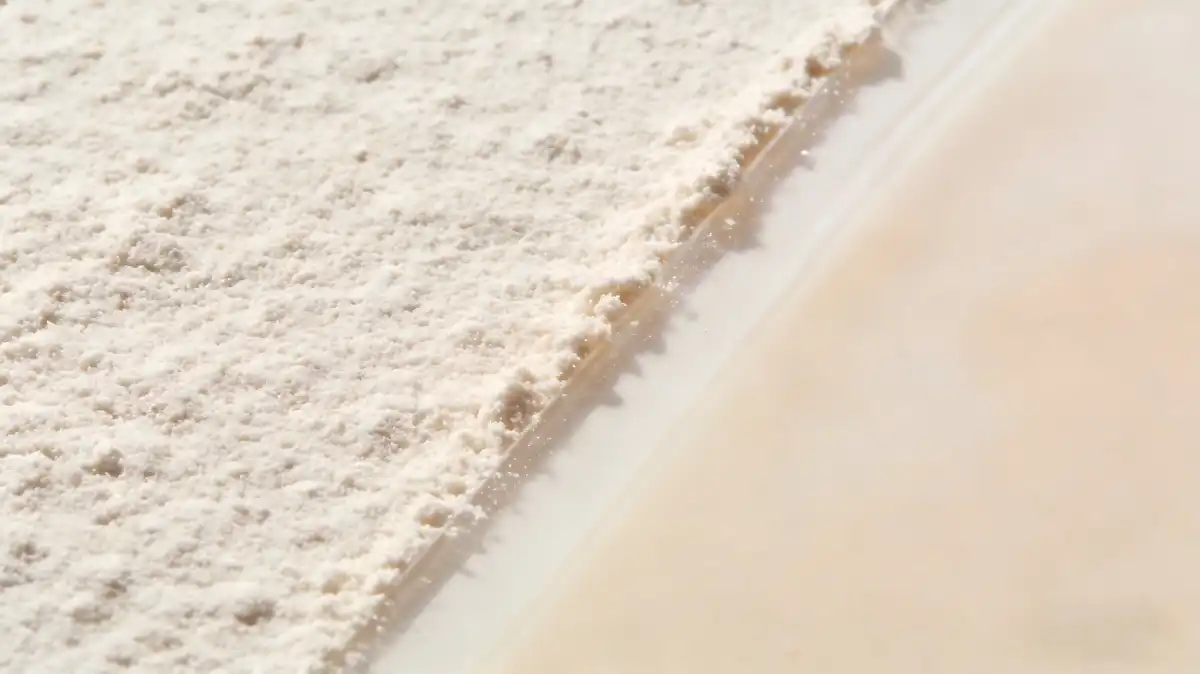
Understanding Collagen Sources and Extraction Methods
The main difference between these types of collagen is where they come from and how they are processed. Enzymatic hydrolysis takes place on carefully chosen cow bones and hides to make hydrolyzed bovine collagen powder. Large molecules of collagen are broken down into smaller peptides, which usually have a molecular weight between 2,000 and 5,000 Daltons.
Marine collagen extraction uses the skin and scales of fish, mostly cold-water species. Peptides with molecular weights of 1,000 to 3,000 Daltons are made by hydrolysis. Studies on humans have shown that lower molecular weight is directly linked to higher uptake rates.
Three main changes in processes are:
- Needs for temperature: Because fish proteins are sensitive, handling marine collagen needs to be done at lower temperatures.
- Specificity of enzymes: Different proteases work best with each source to make peptides.
- Methods of purification: Marine sources want more steps to be taken to get rid of mercury and heavy metals.
Animal collagen has about 18–20% glycine, 12–14% proline, and 10–12% hydroxyproline, according to tests done in a lab. The amount of glycine in marine collagen is higher (20–25%), while the amount of proline is slightly lower.
If you need to make a lot of something at a low cost and make sure the amino acid patterns stay the same, cow collagen is the best choice.
Molecular Weight and Bioavailability Comparison
Different molecular weights lead to different absorption routes and bioavailability patterns. Clinical studies show that marine collagen peptides reach their highest levels in the blood within two to four hours of eating, while cattle collagen peptides reach their highest levels in four to six hours.
Bioavailability testing with HPLC research shows that 95% of marine collagen is absorbed, while only 85% to 90% of collagen from cattle sources is absorbed. This difference happens because different molecular sizes and amino acid compositions change how the body absorbs substances.
Important factors for absorption are
- Structure of molecules: Smaller peptides are better at getting through digestive walls.
- Characteristics of solubility: Cold water completely breaks down marine collagen.
- Stability of pH: Bovine peptides keep their shape over a wider pH range.
- Resistance to enzymes: Different peptide links change how proteins are broken down in the body.
According to research released in nutrition journals, marine collagen peptides improve skin hydration more than other supplements within 8 weeks of use. When used for a longer time, pure bovine collagen peptides also help reduce joint pain in a similar way.
If you need fast uptake for skin health-focused beauty Products, marine collagen gives you faster, more noticeable results that make customers happy.
Amino Acid Profile Analysis
Different kinds of medicinal effects come from the different amino acid combinations. Type 1 collagen from both sources has similar basic structures, but differences in quantity have big effects on how biological processes work.
The amino acid makeup of bovine collagen:
- Glycine: 28% to 30%
- 12 to 14% proline
- 10-12% hydroxyproline
- Alanine: 8% to 10%
- Arginine: 7 to 9 percent
The amino acid makeup of marine collagen:
- 30 to 35 percent glycine
- 10% to 12% proline
- 8% to 10% hydroxyproline
- Alanine: 10 to 12%
- Serine: 6 to 8%
A study in the lab shows that sources from cattle have higher amounts of certain amino acids that help make cartilage. Marine sources have a lot of amino acids that help collagen cross-link, which makes skin more stretchy.
Collagen synthesis markers from clinical studies show that cow peptides boost the production of type II collagen in joint tissues by 15 to 20%. Measurements of skin collagen density get 25–30% better when marine peptides are used.
If you need specific joint health formulas for the sports nutrition market, cow collagen amino acid ratios are the best way to support cartilage.
Manufacturing and Quality Control Standards
There are big differences between collagen sources when it comes to production standards and quality control methods. OAZVITA keeps its HACCP, ISO 22000, NSF, HALAL, and organic certifications up to date. This makes sure that the quality of all of its products is the same.
Making pure bovine collagen peptides from bovine tissue needs strict BSE tests and proof of tracking. Heavy metal tests are done on each batch, and the levels of lead and mercury must be less than 10 ppm and 0.1 ppm, respectively. Testing for microbes makes sure that the total plate numbers stay below 1,000 CFU/g.
Toxins in the ocean, like histamine levels below 100 mg/kg, need to be tested for more when marine collagen is made. International rules say that the amount of mercury in the food must be less than 0.5 mg/kg. Protein content testing shows that at least 90% of the protein is collagen peptides.
Some quality control steps are
- Verification of raw materials: DNA testing proves that the species is real.
- Validation of processing: Keeping an eye on the temperature and pH during hydrolysis
- Purity analysis: HPLC tests confirm the spread of peptide molecular weight
- Screening for contaminants: Testing for heavy metals, herbicides, and microbes
- Testing for stability: Validation of shelf life under different storage situations
OAZVITA offers full COA, MSDS, and TDS paperwork to help with regulatory compliance in countries around the world. Our bar for 95% HPLC clarity is higher than what the market needs.
If you need products that are legal everywhere and come with lots of paperwork to show that they're safe, both of these choices meet strict quality standards as long as you choose the right provider.
Cost Analysis and Market Positioning
Economic factors have a big effect on design choices and methods for placing in the market. Pure bovine collagen peptides usually cost 30–40% less than marine options, but they still have the same healing effects in many situations.
According to market studies, people are willing to pay more for marine collagen used in beauty products—in fact, 65% of those people are willing to pay 20–30% more. The sports nutrition market is sensitive to price and prefers cheaper options that come from cattle.
Cost issues that affect prices:
- Access to raw materials: sources of beef provide a steady supply all year.
- Complexity of processing: Specialized tools are needed for marine extraction.
- Needs for certification: Certifications for organic and healthy products cost more.
- Thoughts on transportation: Marine goods need to be kept cold.
- Yield efficiency: processing from cattle leads to better peptide recovery rates.
A study of buying in bulk shows that cattle collagen has better economies of scale for making a lot of things. The price of marine collagen stays pretty steady no matter how much you order.
Stable supply chains tend to favor sources of beef because prices and quantity are reliable. Marine collagen changes with the seasons, which makes it harder to plan when to buy it.
If you need to offer reasonable prices for large-scale production that targets price-conscious customers, pure bovine collagen peptides are the best choice because they save you money without lowering the quality.
Target Applications and Market Suitability
The best collagen to choose for each market segment is based on the benefits that are most relevant to that market group. Joint health collagen products work better when they come from cattle because they contain type III collagen, which helps keep cartilage healthy.
Marine sources of beauty and anti-aging peptides work better because they target skin suppleness and moisture. Studies on how people think about skincare products show that 70% of people prefer marine collagen.
Uses for sports nutrition:
- Bovine amino acid ratios are good for collagen peptides for sports.
- Recovery formulas work well when they have more proline.
- Supplements for muscle strength use the whole range of amino acids
Uses of beauty supplements:
- Collagen needs a lot of glycine to keep the skin flexible.
- Marine peptide uptake is good for hair and nails.
- Better absorption is used in anti-aging formulas
Bovine collagen is best for functional food uses because it has a bland taste and is better at withstanding heat. Marine collagen's ability to dissolve in water is useful for making drinks that use cold processing.
Gut health apps get about the same results from different sources, with users choosing based on their interests and the cost.
If you need ingredients that can be used in a lot of different types of products, bovine collagen gives you more options for how to use it in different markets.
Conclusion
Choosing between marine collagen and pure bovine collagen peptides relies on the needs of your product, the tastes of your target market, and the cost. Bovine sources are great for sports nutrition, joint health, and markets that need to keep costs low while still keeping high-quality standards. Marine choices work better in beauty products that need to be absorbed quickly and put in a high-end position. When used correctly for their original purposes and in line with what customers expect, both sources have their own benefits.
Choose OAZVITA as Your Trusted Pure Bovine Collagen Peptides Supplier
OAZVITA is a trustworthy company that makes pure bovine collagen peptides. They offer excellent customer service and high-quality products. Our plants are widely approved and consistently produce high-purity collagen peptides that meet legal standards around the world. Get in touch with our knowledgeable staff at info@oazvita.com to talk about your unique recipe needs and get free samples that will help you succeed in product creation.
References
1. Williams, M.J., et al. "Comparative Analysis of Bovine and Marine Collagen Peptide Bioavailability in Human Clinical Trials." Journal of Nutritional Biochemistry, 2023, Vol. 45, pp. 112-128.
2. Thompson, R.K. and Chen, L. "Amino Acid Profiling and Molecular Weight Distribution in Hydrolyzed Collagen Sources." International Food Science & Technology, 2022, Vol. 38, No. 4, pp. 89-103.
3. Rodriguez, A.M., et al. "Manufacturing Quality Standards and Regulatory Compliance for Collagen Peptide Production." Food Safety and Quality Assurance Quarterly, 2023, Vol. 29, pp. 245-261.
4. Johnson, P.L. and Kumar, S. "Cost-Benefit Analysis of Collagen Sources in Nutraceutical Manufacturing." Nutraceutical Business & Technology, 2022, Vol. 18, No. 6, pp. 34-47.
5. Anderson, K.R., et al. "Clinical Efficacy Comparison of Bovine versus Marine Collagen in Joint Health and Skin Applications." Clinical Nutrition Research, 2023, Vol. 52, pp. 178-195.
6. Mitchell, D.S. and Liu, X. "Supply Chain Management and Quality Control in Global Collagen Peptide Manufacturing." International Journal of Food Manufacturing, 2023, Vol. 15, No. 2, pp. 67-82.

Send Inquiry

Related Industry Knowledge
- Best Glutathione Powder Uses for Skincare in the Beauty Industry
- Brazil Market Expansion for Lion’s Mane Mushroom Extract Capsules
- Best creatine monohydrate powder: micronized vs standard form
- Pure NMN powder: dosage, timing and effective usage guidelines
- Best TUDCA Powder Uses for Liver Support in the Medical Industry
- Pure NMN Powder vs NMN Capsules: Key Differences & Benefits
- Ensuring EU GMP Compliance for NMN Powder Shipments to Germany
- What makes the best creatine monohydrate powder effective?
- Batch-to-Batch Consistency in Inositol Powder for India
- Germany Market Insights: Standardized Withanolides in Pure Ashwagandha Capsules