
China Chelation Technology in Pure Magnesium Glycinate Capsules Manufacturing
Jun 01, 2026
China's chelation technology plays an important role in the production of Pure Magnesium Glycinate Capsules by facilitating effective binding between magnesium and glycine, maintaining product stability, and ensuring batch-to-batch consistency in industrial manufacturing. In practical terms, this results in clearer product specifications, more precise ranges for elemental magnesium content, improved capsule filling performance, and more efficient global sourcing. China's manufacturing environment supports these outcomes through the integration of chelation expertise, advanced process control, and scalable packaging solutions, enabling supplement brands, distributors, and OEM buyers to access high-quality Products with competitive pricing.
Understanding China Chelation Technology in Magnesium Glycinate Production
People who search for this subject are mostly interested in doing business-related research. They want an answer right away and then proof. This is how a recap in the style of a featured clip would look: China's chelation technology for making magnesium glycinate involves carefully controlled steps that join magnesium to glycine to make a stable chelate that is very pure, consistent from batch to batch, and easy to make on a large scale for capsules.
What chelation means in manufacturing terms
There is more to magnesium glycinate than just a mix of minerals. When magnesium links to glycine in a controlled way, a real chelate is made. This is important because customers often contrast a fully reactive material with cheaper dampened options. A fully processed magnesium bisglycinate chelate usually gives off about 10% to 14% elemental magnesium by weight. Higher claims may be due to extra oxide instead of a purer chelate.
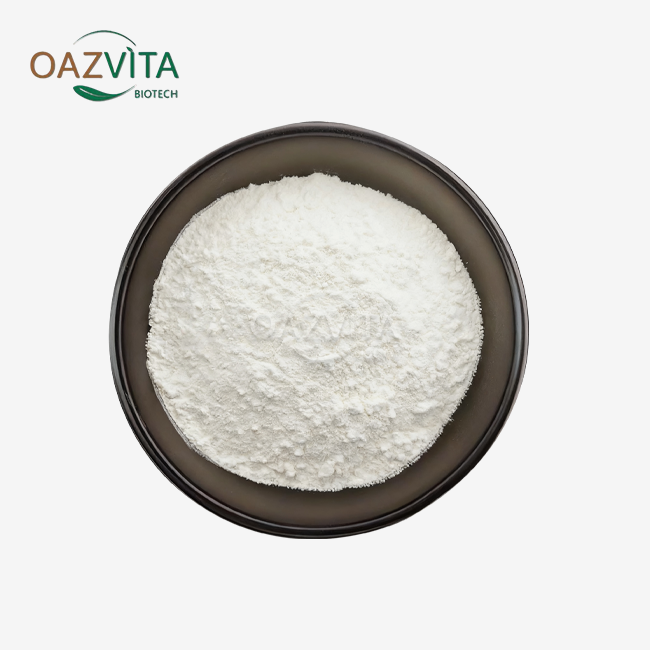
From a production point of view, the raw material is usually a fine, white powder that can absorb water. Controlling the moisture carefully and putting it in a stable capsule is important. This is usually done with low-moisture HPMC veggie shells or other custom capsule forms.
Where does China's technology add value?
China doesn't have an economic edge because of just one machine or process. It comes from screening the raw materials, controlling the reaction conditions, checking while the process is going on, and enclosing a lot of them at once. This makes things better:
- Chelation integrity
- Stability from lot to lot
- Flow of powder for the package
- For private label and OEM projects, flexible packaging is important.
At OAZVITA, this technological capability is directly aligned with business requirements. The company offers customized manufacturing of capsules, including plant-based capsule shells, gelatin capsules, and soft capsules. It also provides flexible packaging options, such as labeling and bottling in quantities of 60, 90, or 120 capsules. In addition, OAZVITA supports custom packaging, blending, bulk shipping, and Delivered Duty Paid (DDP) logistics services.
Key Benefits of Pure Magnesium Glycinate Capsules Manufactured with China Chelation Technology
People around the world aren't just looking up "what is magnesium glycinate?" They want reliable results, like a pure recipe that works well with the body's absorption system, a position that doesn't cause irritation, and fewer output surprises.
Purity, stability, and usable specifications
If the magnesium glycinate is pure and fully activated, that is the most important scientific thing to look for when buying it. Manufacturers who care about quality use FTIR fingerprinting and an elemental magnesium test to check this. OAZVITA has magnesium content that ranges from 12% to 14% and 18% to 22%, based on the recipe direction and the needs of the client. That helps buyers to match product claims, capsule size, and label strategy with market goals.
Better fit for premium supplement lines
Unlike other magnesium forms like oxide or citrate, magnesium glycinate is widely used in elite health, sports nutrition, and clean-label categories because it is well-liked by customers and doesn't cause any problems with how the product is positioned. That helps brands make a better case for product lines that help with sleep, relaxation, and healing without using harsh ingredients.
This is especially useful for:
- Brands of health and food supplements are making luxury capsule SKUs.
- Sports diet companies that want pure mineral compounds
- Private label buyers who need quick starts and a range of MOQs
- wholesalers who want a steady supply around the world and low landing costs
Why this matters for B2B procurement
The real gain for the buyer is that everything works the same way. Chelation technology that works well helps keep dose uniformity, potency retention, and fill accuracy even during big production runs. That cuts down on complaints, makes it easier to follow the rules, and protects the brand's image in competitive online and offline channels.
Quality Control and Manufacturing Standards in China
Quality control is how serious buyers tell the difference between good and bad sellers. When making Pure Magnesium Glycinate Capsules, you should always look at certifications, testing methods, and how open the process is.
What I would verify before placing an order
A trustworthy provider should be able to show proof of the whole process, from getting the raw materials to giving you the finished capsules. The most important review points are:
FTIR tests to make sure that the link between magnesium and glycine is real and not just a physical mix. This lets buyers know that the active ingredient fits the chelate profile that was meant, and it supports honest placement in high-end supplement lines. It is also one of the best ways to tell the difference between real quality and formulas that look the same on paper but act and label differently.
ICP-MS or a similar elemental magnesium test, along with heavy metal and microbial screening. These tests help make sure that global trade standards for quality, measurement range, and safety compliance are met. Disintegration testing is also important because finished capsules need to meet certain performance standards in order to be sold in stores and give users a uniform experience across all markets.
Certifications and supply readiness
OAZVITA can handle paperwork for HACCP, ISO 22000, NSF, HALAL, EU Organic, USDA Organic, COA, MSDS, and TDS. Importers, private label brands, and contract buyers who sell in North America and other controlled markets will find that range very useful.
It takes between 1 and 5 business days to get a sample from the company, and the product will last for 24 months if it is kept in a cool, dry place. You can ship by air, sea, DHL, FedEx, UPS, or airmail post.
Comparing Pure Magnesium Glycinate Capsules: China-Manufactured vs. Alternatives
A lot of SERP results list magnesium glycinate next to citrate, oxide, chloride, or malate. Buyers also look at price, wait time, and the ability to make changes when comparing buying areas. That's where products made in China often stand out from the rest.
Product comparison beyond price
A comprehensive supplier comparison extends beyond cost per kilogram and includes multiple technical and operational factors. Key evaluation criteria typically include verification of the chelation process, accuracy of elemental magnesium content ranges, formulation and excipient composition, available encapsulation options, and supplier responsiveness. Highly declared elemental magnesium content alone is not a sufficient indicator of product quality in Pure Magnesium Glycinate Capsules. Products marketed as “pure” chelates with elemental magnesium levels at or above 20% generally require further verification to determine whether the formulation has been buffered or modified.
Why China is attractive for OEM and private label buyers
Buyers have a lot of choices when it comes to dosage types, packaging, and production scale because China is a manufacturing base. This need is a good fit for OAZVITA's competitive strengths:
It can make pills, tablets, powders, gummies, food additives, plant extracts, and medicinal excipients, and it can also customize its products. Instead of getting a single standard SKU, this helps brand owners make lines that are different. Free samples, COAs, application tips, and formula suggestions also help teams get ready for launches, speed up, and make the early stages of testing better.
Its research and development (R&D) and business strategy support stable buying over the long term. OAZVITA has a skilled research and development team, advanced manufacturing lines, 24 hours a day, 7 days a week service, communication in multiple languages, experience exporting to over 100 countries, and a delivery rate of over 99% on time. The company claims exports and sales of more than USD 15 million a year, which is a good sign for buyers looking for reliable partners.
Strategic Tips for B2B Buyers: How to Procure Pure Magnesium Glycinate Capsules from China
Effective procurement requires asking the appropriate questions at an early stage. Optimal outcomes are typically achieved when purchasing teams integrate technical evaluation with logistics planning and commercial strategy.
Questions to ask during supplier evaluation
Check to see if the magnesium glycinate has fully reacted or if it has been diluted. Ask for FTIR proof, data on the elemental magnesium assay, different pill shell choices, information on the ingredients, and data on the shelf life. As you work on making a "clean label" product, find out if synthetic oils are used and if so, what kind of flow aids are used.
Logistics and cost planning
When it comes to margin, lead time, package style, and shipping terms are just as important as the cost of the raw materials. Many buyers can find it easier to plan their imports when OAZVITA offers bulk shipping and DDP delivery. Customized packing also helps brands cut down on marketing work and get their products to market faster.
A practical procurement roadmap
This is the way most B2B buyers should go:
To begin, look at a sample review and paperwork pack. Before you talk about the final price, make sure you have the COA, TDS, MSDS, certifications, elemental magnesium range, and capsule shape. This keeps the technical, safety, and buying teams on the same page from the start of the project and cuts down on delays later on.
You should go into test validation with an idea of the label claim, bottle count, and market channel you want to target. As a finished product, not just an ingredient, test how well the package fits, how long it will last during shipping, and the final market specs. This method gives a more accurate picture of how well the supply is working and helps keep track of start dates.
Conclusion
China's chelation technology makes it easy for people around the world to find Pure Magnesium Glycinate Capsules of reliable quality, scalable output, and adjustable OEM support. Verified chelation, uniform specs, and clear production standards are more important than marketing language. I've found that buyers who focus on testing, reviewing certifications, and making sure the packing is ready make faster and safer purchases. For those who find the right partner, production in China can support both high-end placement and efficient global supply.
FAQ
1. How can you tell if Pure Magnesium Glycinate Capsules are fully reacted?
View the magnesium range and ask for an FTIR study. A chelate that has fully reacted usually has between 10% and 14% elemental magnesium. Much bigger claims may mean that the information has been filtered.
2. Do pure capsules always contain zero excipients?
Not all the time. "Pure" generally refers to the magnesium source, not all of the materials used in the process. Ask for a full list of ingredients that aren't in the product, and make sure that fake oils aren't on the list.
3. What tests matter most for B2B purchasing?
It's important to do tests like FTIR, elemental magnesium analysis, microbial screening, heavy metal testing, and disintegration testing. Together, they give a better picture of how honest the product is and whether it can be sold.
4. What packaging options does OAZVITA support?
OAZVITA can ship in bulk, bottles, and labels, and they can also make custom packages with 60, 90, or 120 capsules per bottle, depending on what the customer wants.
Partner with Factop for Superior Pharmaceutical Capsule Filling Solutions
Need a dependable company to make or supply Pure Magnesium Glycinate Capsules for your next launch? OAZVITA gives away free trials, works with OEMs and ODMs, makes personalized capsules, has quick lead times, and delivers all over the world. You can email our team at info@oazvita.com to get details, certificates, or a price quote on Pure Magnesium Glycinate Capsules that you can buy in your market.
References
1. Office of Dietary Supplements, National Institutes of Health. Magnesium Fact Sheet for Health Professionals.
2. United States Pharmacopeia. USP–NF General Chapters on Disintegration and Dissolution.
3. Joint FAO/WHO Codex Alimentarius Commission. General Principles of Food Hygiene.
4. International Organization for Standardization. ISO 22000 Food Safety Management Systems.
5. DiNicolantonio, J. J., O’Keefe, J. H., Wilson, W. Subclinical magnesium deficiency: a principal driver of cardiovascular disease and a public health crisis. Open Heart.
6. Schuette, S. A., Lashner, B. A., Janghorbani, M. Bioavailability of magnesium diglycinate vs magnesium oxide in patients with ileal resection. Journal of Parenteral and Enteral Nutrition.

Send Inquiry


Related Industry Knowledge
- Chewable Collagen Gummies vs Powder: A Side-by-Side Comparison
- Best Nicotinamide Riboside Chloride Powder Uses for Anti-Aging in the Industrial Sector
- Complete Guide to Choosing the Best OEM/ODM Pure MCT Powder for Supplements
- Best Pure NMN Powder for Health Supplements
- Dosage guidelines for best spirulina chlorella tablets
- Glutathione Powder vs Capsules: Key Differences & Benefits
- Best TUDCA Powder Uses for Liver Support in the Medical Industry
- Best spirulina chlorella tablets for immunity and detox
- Batch-to-Batch Consistency in Inositol Powder for India
- Germany Market Insights: Standardized Withanolides in Pure Ashwagandha Capsules