Does DHM make you less drunk?
Oct 14, 2026
If you've heard about dihydromyricetin powder and wondered whether it actually reduces intoxication, you're asking the right question. Based on current research, DHM does not instantly sober you up, but it does support faster alcohol metabolism and may reduce the severity of intoxication symptoms. Extracted from Ampelopsis grossedentata (Vine Tea), this flavonoid compound works by activating liver enzymes—specifically alcohol dehydrogenase (ADH) and acetaldehyde dehydrogenase (ALDH)—while also moderating GABA receptor activity in the brain. The result is a measurable reduction in alcohol-related discomfort, not instant sobriety.

What Is DHM Powder and How Does It Work?
The Chemical Identity of DHM
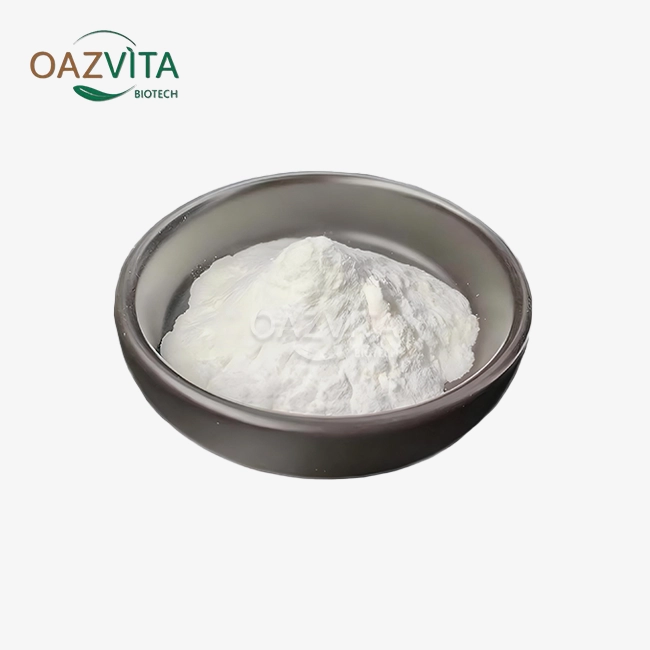
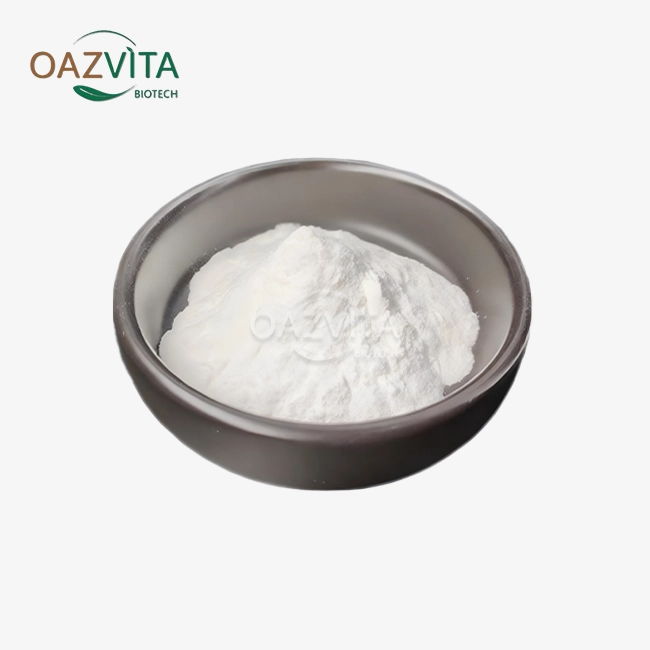
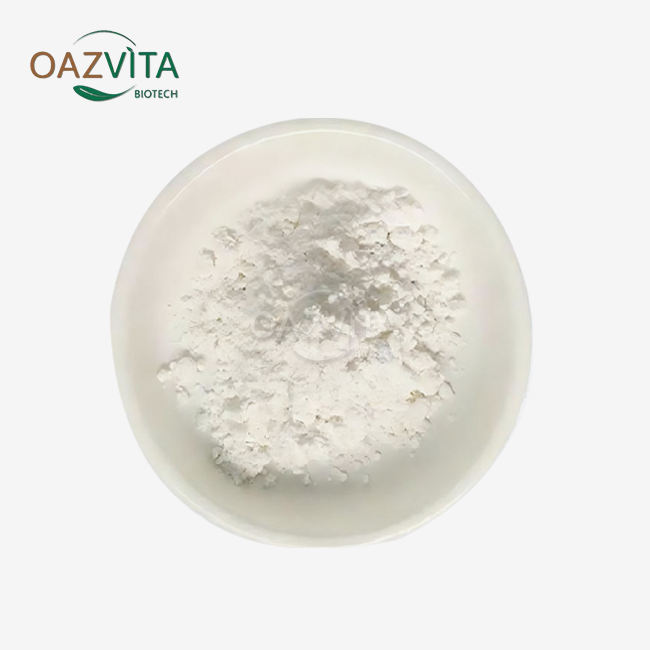
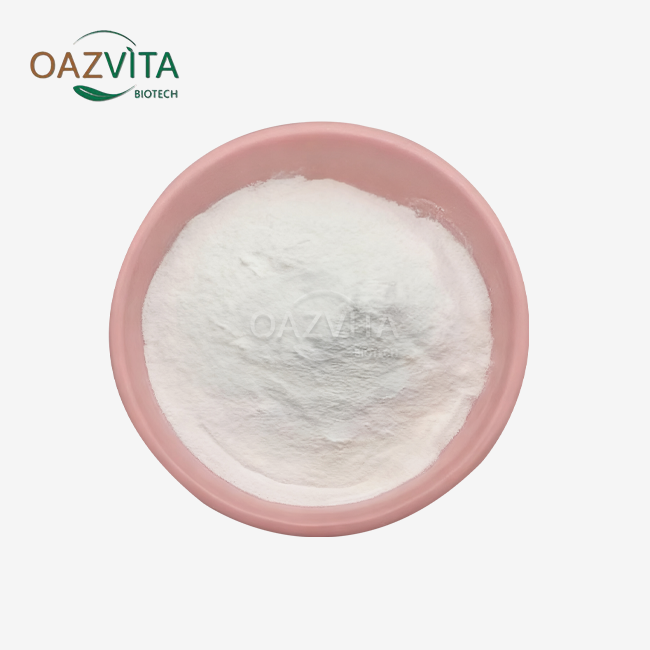
It is a bioactive flavanonol with the formula C₁H₁O₈ and its chemical name is 27200-122-0. There are a lot of different kinds of this chemical, and it is also known as ampelopsin. OAZVITA sells it as a fine, crystalline powder that is off-white to white. It has been tested with HPLC and found to be ≥98% pure. It melts between 245°C and 246°C, and it stays solid at that temperature under standard working conditions. This is a very important thing for supplement makers who use heat to make their Products.
Natural Source and Extraction
There is a plant called Ampelopsis grossedentata that is used as the major source. This plant has been used in traditional Chinese medicine for hundreds of years. To separate the purer DHM extract from the less pure basic vine tea extracts, which have different amounts of active chemicals, solvent extraction and chromatographic purification are used. For buyers in the business world, this difference is important: a normal 98% HPLC-grade material performs the same from batch to batch, while raw plant powders can't promise that.
How DHM Interacts With Alcohol Metabolism
Liquor is broken down in the liver in two steps that happen in that order. ADH turns ethanol into acetaldehyde, and ALDH turns acetaldehyde into acetate. DHM speeds up both steps, which lowers the buildup of acetaldehyde. Acetaldehyde is the chemical that makes you feel sick, gives you headaches, and makes your face red. Booze alone makes the brain's GABA receptors work again. The way DHM interacts with GABA-A receptors seems to slow down this brain reaction. This is why some users say that taking it with drink makes them feel less sleepy and less sick.
Does DHM Actually Make You Less Drunk? Analyzing Effectiveness and Safety
What the Evidence Shows
Shen et al. published a peer-reviewed study in the Journal of Neuroscience (2012) that showed that DHM greatly shortened the time it took for rodent models to become drunk and improved withdrawal symptoms. There isn't a lot of clinical data on humans yet, but early evidence and market experience suggest that 300–600 mg taken before or right after drinking alcohol is a good range. Blood alcohol concentration (BAC) still rises when DHM is present, so it doesn't instantly erase alcohol in the bloodstream. However, the perceived feeling of impairment seems to decrease.
Safety Profile and Dosage Considerations
From what we know about clinical observations, dihydromyricetin powder is generally well tolerated at doses up to 600 mg per serving. People who take medicines that are broken down by the liver's cytochrome P450 system should be careful, though. For people who make products, this means putting the right information on the labels when DHM is mixed with other active ingredients. Brand owners and OEM operators in the US market can lower their legal risk by buying from a qualified manufacturer that has HACCP, ISO 22000, NSF, and both USDA Organic and EU Organic certifications.
Common Misconceptions to Avoid
DHM is not a "sober-up pill." It doesn't stop people from getting drunk, keep them from getting alcohol poisoning, or replace making smart choices about how much to drink. Marketing promises that exaggerate the impacts can lead to problems with the FTC and FDA. Supplement brands should focus on liver enzyme support and recovery after consumption. These are claims that are backed up by science and are easy to explain on product labels.
Comparing DHM Powder With Other Hangover and Liver Support Supplements
DHM vs. Milk Thistle (Silymarin)
The main thing that milk thistle does is stabilize hepatocyte membranes and stop hepatotoxins from entering the liver. It has been used in clinical settings for decades to protect the liver. In a different way, DHM works: it directly speeds up the enzymes that get rid of ethanol and acetaldehyde. DHM is better for short-term alcohol-related problems. Combining the two ingredients may give formulas for long-term liver health more benefits. This is a method that several US supplement brands are already using.
Purity Matters More Than Most Buyers Realize
On the market, there are a variety of DHM materials, but not all of them are useful. Utilising extracts with a lower level of purity (50–80% DHM content) results in the addition of a greater quantity of polyphenols, which might alter the rate at which the body absorbs them or alter the flavour of beverages. The substance that OAZVITA uses is 98% pure according to HPLC, and it may be used as a consistent and anticipated starting point for formulation. Every batch is accompanied by a C.O.A., MSDS, and TDS for the purpose of verification by a third-party laboratory. This provides purchasing teams with evidence of quality prior to the beginning of manufacturing.
The following are the most essential quality parameters that procurement teams should make sure to take into consideration when comparing DHM providers:
- Purity verification method: HPLC testing is the industry standard; UV-based assays are less accurate for flavonoid measurement. There is a difference between the two.
- When looking for certification coverage, it is important to look for HACCP, ISO 22000, NSF, HALAL, EU Organic, and USDA Organic certifications all together. This breadth indicates that the firm is producing products for several regulated markets.
- Data on solubility: Native DHM has a low solubility in cold water; suppliers should provide information on inclusion complexes (such as gamma-cyclodextrin) for applications involving clear beverages.
- The availability of radiocarbon testing: C14 analysis indicates natural origin as opposed to synthetic creation; this is crucial for clean-label products that have stringent sourcing criteria.
It's known that native DHM powder for supplement use doesn't dissolve well in cold water, so providers should give advice on inclusion complexes (like gamma-cyclodextrin) for clear drinking uses. Radiocarbon testing is available: C14 research proves natural origin versus manufactured production, which is important for clean-label brands with strict rules about where their products come from.
Procuring DHM Powder: A B2B Buying Guide for Global Clients
MOQ, Pricing, and Lead Time
OAZVITA's minimum order size is 1 kg, and the package can be changed based on what the buyer wants. New brands and OEM clients can test formulations before committing to full production runs thanks to this low entry point. A lead time of one to five working days starts when an order is confirmed. For wholesalers who keep track of moving goods, this short lead time lets them buy only what they need without keeping too much stock. Prices go down as you buy more, and long-term contracts are available for customers who need a steady supply every three months.
Evaluating Supplier Reliability
According to the following criteria, a reliable supplier of dihydromyricetin powder should fulfill all of the requirements before you make a purchase decision:
- HACCP, ISO 22000, NSF, HALAL, EU Organic, and USDA Organic are an example of certification stacks that together handle the regulatory needs of the United States of America, the European Union, and the Gulf markets concurrently.
- Pre-shipment samples with supporting certificates of authenticity are provided by reputable suppliers as part of their free sample policy. It is possible for customers to undertake independent lab testing prior to making bulk purchases with OAZVITA since the company offers free samples available upon request.
- Dedicated account managers, technical formulation assistance, and timely communication channels are all examples of after-sales support that can decrease friction throughout product development cycles.
It is through the combined efforts of these factors that the risk of purchasing something is reduced, and a long-term connection with a seller is established, which contributes to the maintenance of consistent product quality throughout manufacturing batches.
Logistics and Quality Assurance
OAZVITA sends parcels by air, sea, DHL, FedEx, UPS, and airmail to customers in the Middle East, Asia, North America, and other places. Products are stored in drums inside vacuum-sealed, double-layer polyethylene bags. If kept cool and dry, these bags will last for 24 months. Tracking for global transportation is possible with the help of big international couriers. It is more than 99% of the time that deliveries happen on time, which gives buying managers peace of mind when planning production schedules.
Conclusion
DHM doesn't make you sober right away, but research shows that dihydromyricetin powder can lessen the effects of alcohol by speeding up liver enzyme activity and adjusting GABA receptor responses. This makes it a proven and marketable ingredient for supplement brands, healthy drink makers, and private label players in the US market. To make a good product, you need to get approved, high-purity materials from a seller who can help you reach your formulation goals. Quality at the shelf level is based on quality at the element level.
Frequently Asked Questions
1. Does DHM powder instantly sober you up?
No, DHM does not reduce alcohol in real time. Instead, it speeds up the breakdown of alcohol by turning on ADH and ALDH enzymes. After drinking, the amount of alcohol in the blood still goes up. Users may feel less impaired, but they won't be sober right away.
2. When should DHM be taken relative to alcohol consumption?
Based on clinical findings, taking 300–600 mg before or right after drinking seems to have the most noticeable effect on the signs of alcohol withdrawal.
3. How do I verify the purity of DHM powder before purchasing?
Ask the supplier for an HPLC assay COA. This is what reputable companies like OAZVITA do with every batch. Ask for a C14 radiocarbon analysis to prove that the item came from nature.
4. Can DHM be combined with other supplement ingredients?
Yes, DHM is often found in healing products with milk thistle, B vitamins, and electrolytes. But people who take medicines that are broken down in the liver through cytochrome P450 routes should talk to a doctor first.
Source Quality DHM Directly From OAZVITA — Trusted Dihydromyricetin Powder Manufacturer
OAZVITA sells dihydromyricetin powder (CAS 27200-12-0) that is 98% HPLC-grade and comes with all the necessary certifications, including HACCP, ISO 22000, NSF, HALAL, EU Organic, and USDA Organic. If you ask, you can get free samples and COA paperwork that is specific to your batch. We help brands at every stage of product creation with a 1 kg MOQ, wait times of 1–5 days, and shipping around the world through DHL, FedEx, and UPS. To get your free sample right away, email us at info@oazvita.com.
References
1. Shen, Y., Lindemeyer, A. K., Gonzalez, C., et al. (2012). Dihydromyricetin as a novel anti-alcohol intoxication medication. Journal of Neuroscience.
2. Jiang, L., Zheng, J., & Huang, J. (2019). Hepatoprotective effects of ampelopsin against alcohol-induced liver injury. Food & Chemical Toxicology.
3. Chen, S., & Bharat, B. A. (2015). Flavonoids and liver disease: Current evidence and future directions. World Journal of Gastroenterology.
4. Kaur, G., & Mishra, N. (2021). Natural polyphenols as modulators of GABA receptor activity. Phytomedicine.
5. Liu, Y., Fan, H., & Chen, R. (2020). Antioxidant mechanisms of dihydromyricetin in oxidative stress models. Journal of Agricultural and Food Chemistry.
6. Wan, C. K., & Turner, S. D. (2018). Plant-derived flavonoids in sports and recovery nutrition: A critical review. Nutrients.

Send Inquiry
Related Industry Knowledge
- Garcinia Cambogia: Benefits, Forms, Dosing
- Rhodiola Rosea: Exploring Health Claims Behind a Popular Supplement
- How Yucca Extract Powder Helps Reduce Ammonia In Livestock Feed
- Soybean Natto Powder - What It Is, Why You Should Eat It, and Where To Buy It
- The Truth About Blue Copper Peptide Powder No One Really Talks About
- Complete Guide to Choosing the Best OEM/ODM Pure MCT Powder for Supplements
- Best Pure NMN Powder for Health Supplements
- Dosage guidelines for best spirulina chlorella tablets
- Advances in Glutathione Powder Production for Asian Pharma Markets
- Chicken Collagen Peptides: The Ultimate Guide for Health Enthusiasts