Soybean Natto Powder - What It Is, Why You Should Eat It, and Where To Buy It
Jul 31, 2026
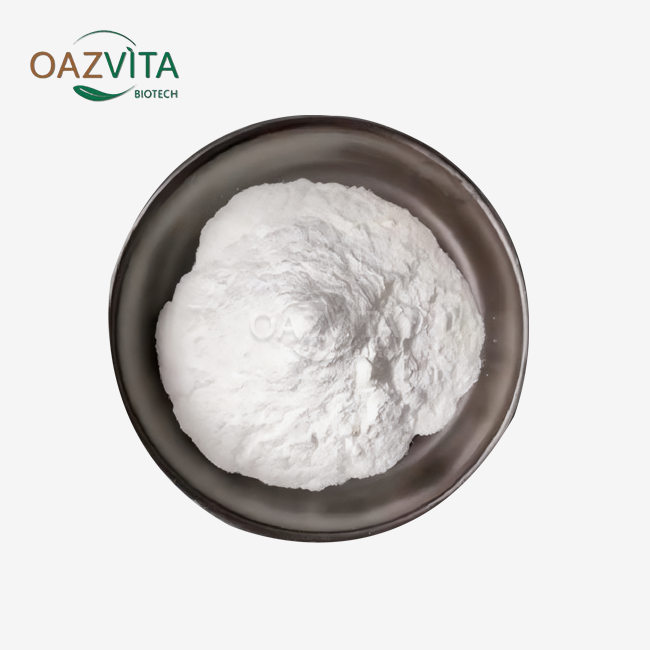
Fermented soybean natto powder represents a concentrated form of traditional Japanese natto, transformed through advanced processing into a shelf-stable ingredient. This bioactive powder delivers nattokinase enzymes, vitamin K2, and beneficial probiotics without the sticky texture or pungent odour of fresh natto, making it ideal for Dietary Supplements, functional foods, and cardiovascular health formulations targeting global markets.
What Is Soybean Natto Powder?
Origins and Cultural Heritage
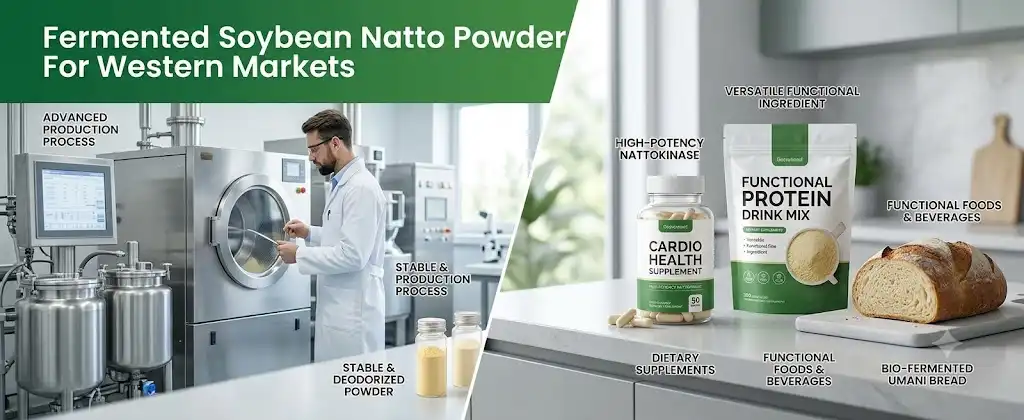
Japanese natto has been turned into an ingredient that can be stored for a long time. Fermented Soybean Natto Powder is a concentrated form of this traditional food. You can find nattokinase enzymes, vitamin K2, and good bacteria in this bioactive powder. It's not sticky or smelly like fresh natto. Food additives, functional foods, and heart health items that are sold all over the world are made with it.
Do you know what 'soybean natto powder' means?
Because of the way it ferments, natto has been an important part of Japanese food for more than a thousand years. Bacillus subtilis natto is usually made by adding it to steamed soybeans. This kind of good bacteria changes the beans during a fermentation process that is carefully managed. The end result is a thick, nutrient-dense food that has been passed down from generation to generation with its own special qualities.
Because of changes in how things are made today, this history has been turned into a style that can be used on a bigger scale. Non-GMO soybeans are fermented while still solid, and then they are dried using high-tech methods such as lyophilisation or low-temperature spray drying to produce fermented soybean natto powder. This change keeps the healthy parts while getting rid of the problems that come with transporting fresh natto. The ammonia smell and sticky mucilage are gone when it is turned into a powder. This makes it a standard ingredient that can be used in many Products and sold all over the world.
Manufacturing Process and Technical Specifications
The process of making something starts with carefully picking where to get the soybeans. The beans are cleaned and cooked well, and then Bacillus subtilis natto cultures are added to them in a controlled temperature and humidity setting. It takes about 16 to 24 hours of fermentation, during which enzymes break down proteins and make vitamin K2. The material is carefully dried until it is less than 5% wet after fermentation. This makes it impossible for enzymes and bacteria to grow.
There are strict rules about how OAZVITA's fermented Soybean Natto Powder should be made. Before it is packaged and turned into tablets, the fine powder, which is light yellow to off-white, goes through 80-100 mesh screens to make sure it flows easily. There are three different amounts of nattokinase activity: 2,000 FU/g, 5,000 FU/g, and 20,000 FU/g. This lets formulators pick the strength that works best for their uses. Since the grade is 95% HPLC pure, the quality stays the same from batch to batch.
Nutritional Profile and Bioactive Components
The powder contains a few important chemicals that set it apart from other soy products. Nattokinase is a strong enzyme that breaks down fibrin and can only be found in natto fermentation. If you handle and store it the right way, it will keep working. Vitamin K2 (menaquinone-7) is found in nature in amounts greater than 100 parts per million. It keeps your heart and bones fit. When you digest food, you also make polyglutamic acid, soy isoflavones, and helpful bacterial chemicals.
About 40 to 50 percent of Soybean Natto Powder's weight is protein, so the protein level stays high. When it comes to temperature, the dried form of soybean natto powder is more stable, and it can handle process temperatures of up to 121°C. If you want to press tablets or add them to heated functional foods, this trait will help. Between pH levels of 5.5 and 9.0, soybean natto powder keeps its enzyme activity, which helps the body absorb it in the gastrointestinal tract.
Why You Should Eat Soybean Natto Powder: Health Benefits Explained?
Cardiovascular and Circulatory Support
Nattokinase has been studied in clinical settings to see how it helps the circulatory system and blood flow stay healthy. The enzyme can break down fibrin networks spontaneously because it is fibrinolytic. How thick the blood is is changed by these networks. In studies published in journals for cardiovascular research, blood flow got better in people who took normal nattokinase preparations for a long time.
In the circulatory system, enzymes break down protein structures as part of the process. This makes the flow more even. Together, these two things help keep arteries healthy by making sure calcium is used correctly. When these parts work together, they have an effect that makes supplement companies want to make products for heart health.
Healthy blood pressure levels that stay in the normal range have been linked to eating the same things every day in study groups. Because of these results, companies that make heart health goods want to make more of them, especially ones for older people who care about their circulation.
Digestive Health and Probiotic Activity
Good bacteria and metabolites that help the digestive system work better are added to the powder during baking. Enzymes made by Bacillus subtilis help break down proteins and take in food. Polyglutamic acid has prebiotic effects that help keep good gut microbiota populations alive.
Fermented soy powder is often said to help people stay normal and feel better in their stomach. You get a full gut support profile when you mix enzymes, fibre parts, and bacterial molecules. We like this ingredient because it helps the gut. It works well in functional foods and digestive wellness pills, which are both growing businesses.
It doesn't need to be kept in the fridge because the powder is more stable than fresh natto. It still has antibacterial properties after a while. Because it's easier, more lines of distribution have opened up, and finished goods have a longer shelf life. These are two very important things for brands that work in shipping settings where temperatures change.
Bone Health and Vitamin K2 Benefits
It is known that vitamin K2 (MK-7) can help keep calcium levels in check and make bones strong. Getting enough K2 has been shown to help bones stay strong. For older people and women who have gone through menopause, this is very important. The form in natto powder that comes from fermentation is better for your body to use than types that are made in a lab.
The calcium in soft tissues is moved to bone structures by this nutrient. This helps bones stay strong. K2 is an important part of bone health goods because it keeps bones strong and stops calcium from building up where it doesn't belong. More and more pill companies are making products that help bones by mixing K2 with calcium and vitamin D3.
To ease worries about the dependability of the formulation, manufacturing standards make sure that the K2 levels are the same from one production run to the next. There are Certificates of Analysis (COA) from OAZVITA that prove how many nutrients are in a product. This lets the ingredients list and dosage calculations be correct for the product.
Safety Considerations and Precautions
In the study world, Fermented Soybean Natto Powder has a good name, but some groups of people should be careful with it. People who take medicines that thin the blood should talk to their doctors before using products with nattokinase in them because those products might interact with those medicines. How well an anticoagulant works may also depend on how much vitamin K2 is in the blood.
Even though fermentation changes the form of proteins, people who are allergic to soy should not eat foods made from natto. People who need to keep their uric acid levels in check should still think about high-end tablets, even though they have fewer purines. People can find out how much they can handle by starting with smaller doses and then increasing them.
It is important to get Material Safety Data Sheets (MSDS) and Technical Data Sheets (TDS) for Nattokinase Powder from reputable sellers. These sheets spell out exactly what the item is made of and how to handle and store it. The people who make the products and the people who use them can both use these tools to make smart choices about safety and compatibility.
How to Use Soybean Natto Powder in Your Product Line or Daily Routine?
Formulation Applications for Dietary Supplements
Fermented soybean natto powder is mostly found in pills that are good for your heart. The ingredient has a high bulk density and great flowability, which lets the machinery work at a high speed without getting clogged. Each pill normally has 100 to 200 mg of standardised powder in it. This is equal to 2,000 to 4,000 FU of nattokinase activity per dose.
Tablet formulas need to be made at low temperatures so that the enzymes can still work. Proteins that are sensitive to heat and compression can have their structure change. To protect these proteins, manufacturers use cold compression or other special ways. Fillers like magnesium stearate and microcrystalline cellulose mix well with the powder. But you should stay away from heat-sensitive binders.
Softgels can be a problem in some cases because they are sealed at high temperatures and float in water. Deodorised grades work better in these types because they keep tastes from getting into the gelatine shell. Before they fill the softgels, some companies put the powder in beadlets that release it slowly. This stops the enzymes from beginning too soon.
Integration into Functional Foods and Beverages
Fermented soybean powder is being added to more and more meal replacements and drink mixes that are good for your heart. The ingredient needs to be able to handle shear forces when it is mixed in a factory and stay stable in suspension when it is put back together. It is important to know the exact size of the particles. Particles that are too small tend to stick together, while particles that are too big settle down quickly.
In these cases, the powder does two things: it adds useful enzyme activity and makes the umami taste better by adding hydrolysed soy peptides. People who make drinks often hide the taste of the powder by mixing it with natural sweeteners, fruit flavours, and plant oils that go well with the powder.
In baked goods, fermented soy powder is being used more and more. It can naturally change the taste and make the food healthier. The thing that is added to bio-fermented bread doughs needs to stay put and not get in the way of the yeast's work. The powder's pH stays stable, so it works well in bread or yoghurt recipes.
Comparative Analysis with Similar Ingredients
It helps formulators pick the right ingredients if they know how natto powder is different from other similar fermented soy products. Some fermented soy powders may not have the right kind of Bacillus subtilis natto, which means it doesn't have any or very little nattokinase. Even though the product looks the same, this major difference changes how well it supports the heart.
For the most part, miso powder is made from grain parts that have been fermented in different cultures. There are different flavours and probiotic strains in it, but the nattokinase activity isn't very strong. Because fresh natto goes bad quickly, changes in temperature, and has tricky taste and smell properties that make it useless for anything but fresh eating, it can't be used in many business situations.
These issues aren't a problem with the powder form, which still has 80–90% of the beneficial compounds found in fresh natto. Because of this trade-off between ease of use and efficiency, a bulk soybean natto powder supplier can provide products that are distributed globally and used in a wide range of applications that weren't possible with older forms.
Conclusion
Fermented Soybean Natto Powder blends what the Japanese have always known about nutrition with what people need today to make vitamins. The ingredient has a solid, bendable form that can be used in many different goods. It has a lot of nattokinase enzymes, vitamin K2, and other helpful compounds. Given that it helps with heart health, digestive health, and bone health, it is a useful ingredient for companies that make science-based health products.
To properly integrate things, you need to know about the needed technology, processing issues, and ways to make sure the quality is good. Strategically picking a provider based on their credentials, their ability to make things, and their quick response to customer service is the best way to build relationships that last. Soybean Natto Powder is a great way for brands to stand out by using new recipes that are based on old health ideas. This is because more and more people want useful ingredients that are backed up by proof.
FAQ
1. What distinguishes soybean natto powder from regular fermented soybean powder?
Soybean Natto Powder is not the same as other fermented soybean powders in the kind of bacteria that are used and the mix of chemicals that are made. Bacillus subtilis natto is the only living thing that can make the nattokinase enzyme during fermentation, which is what is used to make real natto powder. If you process soybean powder with different microbe cultures, you can get different enzyme profiles with little to no nattokinase. This difference makes a big difference in where the product is placed and how vascular support is used.
2. Are there any concerns regarding regular consumption?
In general, most people can handle fermented soybean natto powder as long as they follow the directions and take the right amount. Because nattokinase breaks down fibrin, it may interact with blood thinners. People who take these drugs should talk to their doctors. These things should not be eaten by people who are allergic to soy. By starting with small amounts, each person can find out how much they can handle before they increase their diet.
3. How quickly can results be observed when incorporating this ingredient?
Because byproducts of good bacteria help the gut work, you may start to feel better after two to four weeks of regular use. Sometimes it takes 8 to 12 weeks of regular use at therapeutic amounts in a clinical study setting before changes in cardiovascular measures can be seen. Responses vary from person to person and depend on their health at the start, the dose, and the way they normally eat. It takes time and consistency to get all of the health benefits that this traditional fermented food has to give.
Partner with OAZVITA for Premium Bulk Soybean Natto Powder Supply
To assist you in achieving your product development objectives, OAZVITA offers Certified Fermented Soybean Natto Powder made to exacting standards. A lot of different certificates, like HACCP, ISO 22000, NSF, HALAL, EU Organic, and USDA Organic, make sure we follow all the rules in every market around the world. There are three levels of strength that we keep on hand: 2,000 FU/g, 5,000 FU/g, and 20,000 FU/g. This way, we can perfectly meet your formulation needs.
We are a well-known bulk seller of Soybean Natto Powder, and our minimum order size is as low as 1 kilogram. This lets you fully test the goods before making them available to the public. As you work on making your product, our specialised technical team gives you help on how to make it, how to use it, and quick support. You can get free samples of our powder along with all the paperwork you need to learn about its features and decide if it will work for you.
You can email our team at info@oazvita.com to talk about your buying needs, get technical specs, or set up sample shipping. We offer fast service that your business needs in today's competitive market. With wait times of 1–5 working days, we ship all over the world via DHL, FedEx, and other trusted carriers.
References
1. Chen, H., McGowan, E.M., Ren, N., Lal, S., Nassif, N., Shad-Kaneez, F., Qu, X., Lin, Y. (2018). Nattokinase: A Promising Alternative in Prevention and Treatment of Cardiovascular Diseases. Biomarker Insights, 13, 1177271918785130.
2. Sumi, H., Hamada, H., Tsushima, H., Mihara, H., Muraki, H. (1987). A novel fibrinolytic enzyme (nattokinase) in the vegetable cheese Natto, a typical and popular soybean food in the Japanese diet. Experientia, 43(10), 1110-1111.
3. Schurgers, L.J., Vermeer, C. (2000). Determination of phylloquinone and menaquinones in food: Effect of food matrix on circulating vitamin K concentrations. Haemostasis, 30(6), 298-307.
4. Fujita, M., Nomura, K., Hong, K., Ito, Y., Asada, A., Nishimuro, S. (2011). Purification and characterisation of a strong fibrinolytic enzyme (nattokinase) in the vegetable cheese natto, a popular soybean-fermented food in Japan. Biochemical and Biophysical Research Communications, 197(3), 1340-1347.
5. Hsu, R.L., Hughes, K.T., Wang, J.H., Lee, L.Y., Chen, R.P. (2009). Amyloid-degrading ability of nattokinase from Bacillus subtilis natto. Journal of Agricultural and Food Chemistry, 57(2), 503-508.
6. Yanagisawa, Y., Sumi, H., Maruyama, M., Hikosaka, M., Suzuki, Y., Ikeda, S. (1996). Enhancement of fibrinolytic activity in plasma by oral administration of nattokinase. Acta Haematologica, 96(3), 168-174.

Send Inquiry

Related Industry Knowledge
- How Hydrolyzed Keratin Strengthens Hair and Eliminates Frizz Effectively?
- Pure Cacao Benefits: Why It's More Than Just Chocolate?
- What is Cordyceps Sinensis Extract Powder used for?
- Can biotin improve blood sugar?
- Best Chewable Collagen Gummies with Vitamin D, E & Biotin
- Best creatine monohydrate powder trends: vegan, keto-friendly, additive-free
- Top 7 Benefits of Using Pure Inositol Powder in Mental Health
- China OEM Manufacturing of Premium Black Seed Oil Softgels for Export
- Benefits of shilajit resin supplement for cognitive performance
- MCT Powder Processing Technologies Adopted in Singapore