The Complete Guide To Organic Ashwagandha Extract And The Scientific Studies Proving Its Benefits
Sep 01, 2026
Organic Ashwagandha Extract Powder represents a concentrated form of bioactive compounds derived from the roots of Withania somnifera, standardized to contain specific withanolide levels that deliver consistent therapeutic effects. This adaptogenic botanical has become a cornerstone ingredient for B2B supplement brands, sports nutrition manufacturers, and functional food producers seeking scientifically validated, clean-label solutions. Our comprehensive guide explores the extraction processes, clinical evidence, procurement strategies, and formulation insights that empower your business to integrate this high-value ingredient into your product portfolio with confidence and regulatory clarity.
What Is Organic Ashwagandha Extract Powder?
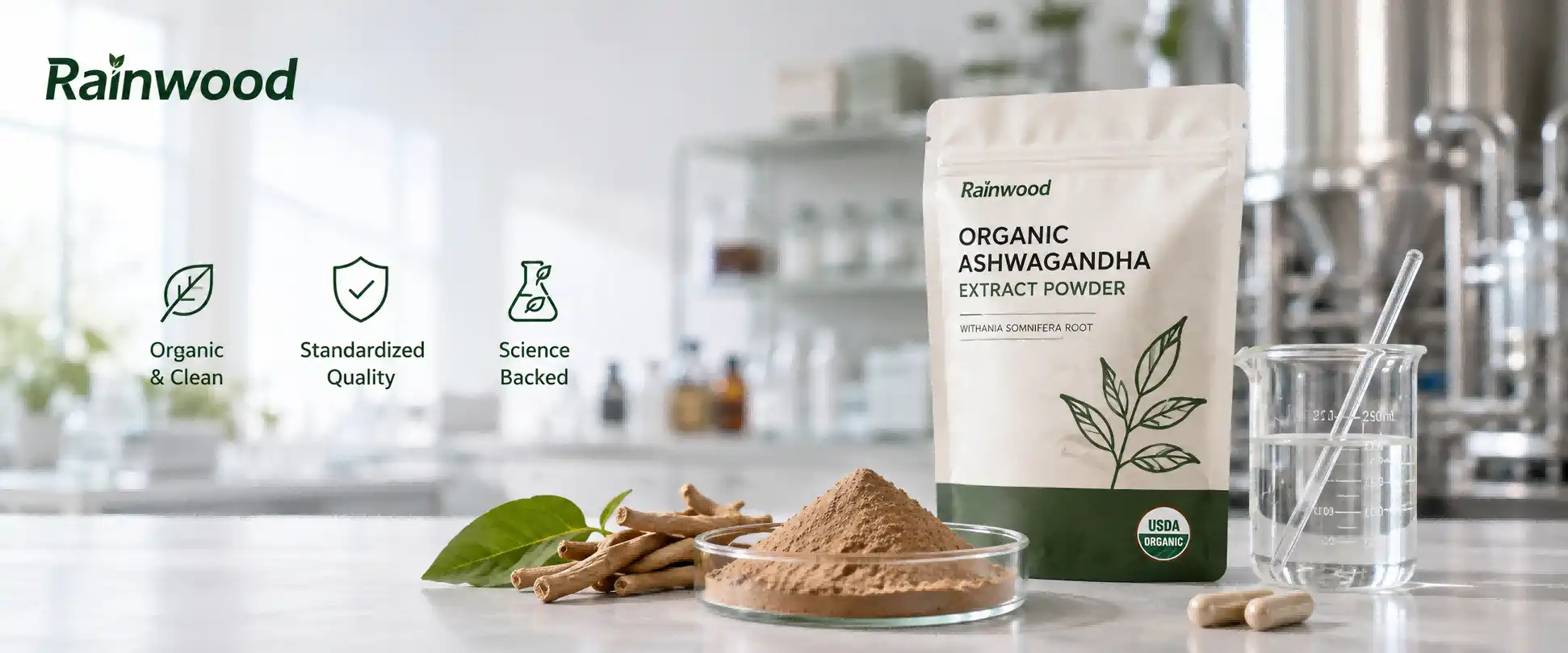
Formed from the roots of the Withania somnifera plant, Organic Ashwagandha Extract Powder is a highly concentrated version of the bioactive substances that are found in the plant. Based on the results of the tests, it has been determined that it contains the appropriate quantity of withanolide to provide consistent therapeutic benefits. Additionally, this adaptogenic plant has emerged as a significant component for business-to-business (B2B) supplement brands, sports nutrition firms, and functional food companies that are looking for clean-label solutions that have been shown via scientific research. This comprehensive guide will provide your organization with the knowledge and confidence to successfully include this beneficial component in your goods while also adhering to the legal standards. It will cover the techniques that are used for extraction, clinical evidence, purchase tactics, and formulation advice.
Botanical Origin and Traditional Foundation
Ashwagandha, commonly known as Indian Ginseng, is a plant belonging to the Solanaceae family that has been used in Ayurvedic medicine for over three thousand years. Its chemical name is Withania somnifera, and it is also frequently referred to by the term Indian Ginseng. Dry regions of India, the Middle East, and some regions of Africa are ideal for the plant's growth and development. This is due to the fact that its roots naturally store chemicals that are bioactive. via the use of HPLC analysis, it has been shown that the concentration of these active substances to therapeutic levels ranging from 2.5% to 10% may be achieved via the use of professional extraction procedures. The anolides content of raw root powder is only between 0.1% and 0.5%.
The ashwagandha root extract that OAZVITA uses comes only from organic farms that have been certified. By doing so, they are able to ensure that no artificial pesticides are used and that the land is maintained in a healthy state via the utilization of sustainable farming practices. Because leaves contain high amounts of Withaferin A, a cytotoxic compound that can be useful for specific research purposes but should not be used in adaptogenic formulations that are meant to help with daily wellness, it is important to avoid contamination of the leaves by only extracting the roots. This is an important quality control measure because leaves contain high amounts of Withaferin A.
Extraction Methods and Standardization
These days, hydro-alcoholic or water-based methods are used for extraction. These methods keep the whole range of phytochemicals while focusing on the bioactives that are wanted. These steps keep the natural balance of Withanolide A, Withanoside IV, and other chemicals that work together to make the extract useful in many ways. The powder that was made is more easily dissolved than the raw material, which makes it easy to add to capsules, tablets, functional drinks, and gummy bears.
Standardization protocols make sure that each batch is the same, which is a must for B2B clients who are in charge of large production runs. Each lot goes through strict tests to make sure it has the right amount of withanolide, is safe for microbes, doesn't have too many heavy metals, and doesn't still have pesticide residues. Full Certificates of Analysis (COA) are given to help with your quality control paperwork and to meet international market regulations.
Scientific Benefits of Organic Ashwagandha Extract Powder
Stress Reduction and Cortisol Regulation
Organic Ashwagandha Extract Powder has been shown in clinical studies to drop cortisol levels and increase measures of subjective stress. Over the course of 90 days, a 2019 randomized controlled study with 130 subjects found that taking 300 mg of standardized root extract containing 15 mg of withanolides every day led to statistically significant changes in stress rating scales compared to a placebo. Serum cortisol levels dropped in the participants, and indicators of better sleep quality and mental health also improved.
In a different study, 500 mg of withanolides standardized to 2.5% and 5 mg of piperine were used. At 60 days, anxiety scores went down, and subjects got better at focusing and doing more than one thing at once. These results provide strong proof for product claims that help with stress. This is especially helpful for brands that want to sell to workers, students, and people with busy lives.
Cognitive Function and Mental Clarity
Ashwagandha's preventive effects go beyond just lowering stress levels; they also improve brain function. Withanolides help neural cells grow dendritic spines and change the way synapses work, which leads to better memory storage and faster information processing. According to research, taking supplements regularly can help with focus, mental endurance, and memory. This makes this ingredient very useful for nootropic formulations and brain health Products.
As a natural alternative to synthetic stimulants, ashwagandha extract is a good choice for B2B clients making cognitive support supplements. It also appeals to consumers looking for clean-label solutions that don't have unwanted side effects like jitteriness or trouble sleeping. The extract can make you more alert and less tired at the same time, which makes it a useful ingredient for functional foods like energy drinks, protein bars, and snacks with extra nutrients.
Physical Performance and Recovery
As more proof of performance benefits comes in, sports nutrition makers are adding High-Potency Ashwagandha Root Powder to more pre-workout, recovery, and testosterone support formulas. Studies on strength players have shown that taking 600 mg of supplements every day for 8 weeks increased their muscle growth, bench press ability, and testosterone levels. The extract seems to help people get stronger during resistance training while also lowering markers of muscle damage caused by exercise.
These effects come from ashwagandha's impact on hormone function, especially its ability to support healthy testosterone production and improve the ratio of cortisol to testosterone. When formulators make sports recovery products, mixing ashwagandha with amino acids like BCAAs or EAAs makes formulas that work better together to help with multiple healing pathways, such as making proteins, reducing inflammation, and balancing hormones.
Immune System Modulation
Ashwagandha has been used for a long time as a general tonic to boost energy and strength because it affects the immune system. Bioactive substances boost the activity of natural killer cells, help immune cells multiply, and control the production of cytokines that cause inflammation. Because it doesn't overstimulate or suppress the immune system, the extract can be used in wellness products that are meant to help the immune system all year long.
Companies that are making immune-boosting products can use these properties to make unique products that mix ashwagandha with ingredients that work well together, like vitamin C, zinc, or other plant-based extracts. The anti-inflammatory benefits also help with general health, improving joint comfort, heart health, and metabolic health through a number of biological processes.
How to Use Organic Ashwagandha Extract Powder and Recommended Dosage
Application Methods for Different Formulations
Standardized Organic Ashwagandha Extract Powder is flexible enough to be used in a wide range of dosing methods. For encapsulated supplements, the fine powder flows easily through automated machinery and needs few fillers to reach the right weights. In most vegetarian capsules, 300 to 600 mg of extract is used per serving. Sometimes, black pepper extract is added to increase bioavailability through pathways involving piperine.
The extract dissolves better in water than raw root powder, which is good for beverage applications. However, some formulations use cyclodextrins or liposomal delivery systems to make sure the extract is completely mixed in water. Manufacturers of functional drinks should test their drinks' safety to make sure that the withanolide stays intact after boiling or other processing steps. This is because high temperatures can break down some compounds if they get too hot.
It can be hard to get the right amount of moisture and pH in gummy formulas, so you need to be very careful when choosing gelling agents and protection systems that keep the extract stable for the 24-month shelf life. As a technical consultant, OAZVITA helps clients come up with stable formulas that fit their production needs and the needs of their target market.
Evidence-Based Dosage Guidelines
Based on clinical studies, the best doses for standardized products containing 2.5% to 10% withanolides are between 240 mg and 600 mg per day. It has been shown that lower doses (240–300 mg) can help with stress control and better sleep, while higher doses (500–600 mg) are better for physical performance, strength gains, and testosterone support. Taking the daily amount in the morning and evening may help keep cortisol levels in check during the day and night.
When figuring out the right serving amounts, formulation methods should take the standardization level into account. A standardized extract of 5% withanolides needs half the amount of a standardized extract of 2.5% to have the same amount of bioactive content. With clear label information about withanolide content, both patients and healthcare professionals can make smart choices about how to use the drug in a way that supports their health goals.
Safety Considerations and Contraindications
In clinical studies, ashwagandha extract has been shown to be very safe, with the rate of side effects being about the same as in control groups. Mild stomach effects are the most common reaction, which is usually addressed by lowering the amount or taking it with food. People who have autoimmune diseases should talk to their doctors before taking supplements because the immune-modulating properties might interact with immunosuppressive treatments.
Women who are pregnant or breastfeeding should stay away from ashwagandha because there isn't enough safety information for these groups. Also, people with thyroid problems or who are on thyroid replacement therapy should be careful with this herb because it may change the levels of thyroid hormones. B2B clients should put the right warnings on product labels to encourage responsible use by consumers and make sure that all distribution territories stay in line with the law.
Comparing Organic Ashwagandha Extract Powder with Other Market Options
Standardized Extract vs. Raw Root Powder
Standardized Organic Ashwagandha Extract Powder from a Bulk Ashwagandha Extract Powder Supplier is different from regular root powder in two main ways: the bioactive content and structure. Raw ashwagandha powder has the whole ground root matrix and naturally occurring withanolide levels that change a lot depending on how the plant was grown, when it was harvested, and how long it was stored. This variety makes it harder to come up with new formulations and harder for commercial goods to get results that can be predicted.
Standardized organic extracts get around these problems by using controlled tests and extraction methods that guarantee certain amounts of withanolide. This consistency lets formulators make products that work reliably, so customers can have the same experiences and marketing claims are true. Because extracts are so concentrated, serving sizes are also smaller. This lets companies make capsules that are smaller or add ashwagandha to mixtures with other ingredients without adding too much bulk.
Organic Certification and Clean Label Appeal
Organic approval meets the needs of more and more customers who want goods that are free of synthetic chemicals, pesticides, and genetically modified organisms. The USDA and EU Organic certifications for OAZVITA show that the company uses sustainable farming methods and honest processes. This meets the strict needs of health-conscious consumers and specialty retail outlets that value clear labels.
Aside from appealing to consumers, organic certification makes the regulatory process easier in places where rules about agricultural chemicals are very strict. Goods with organic seals usually have higher prices and better placement on store shelves for natural goods, which has a direct effect on how people see the brand and how much money they make. For private label developers and OEM/ODM clients, getting certified organic extracts shortens the time it takes to make new products and makes it easier to follow rules in international distribution networks.
Cost-Effectiveness in Bulk Procurement
Organic extracts that have been standardized cost more per kilogram than raw materials, but the higher quantity makes them more valuable per dose. A 5% withanolide extract has ten times the bioactive content of raw powder. This means that formulators can get the same level of potency with only one-tenth as much material. This decrease in the amount of material used means fewer capsules per bottle, lighter shipping, and more efficient production.
Through volume savings and lower handling costs per unit, bulk buying strategies make costs even more efficient. OAZVITA has a variable minimum order quantity that starts at 1 kg for initial trials and goes up to multiple tons for established brands that manage high-velocity SKUs. Long-term supply agreements protect your supply chain from market changes and make sure that production schedules don't get thrown off. They also guarantee allocation during times of high demand.
How to Source and Purchase Organic Ashwagandha Extract Powder for B2B Procurement
Evaluating Supplier Credentials and Certifications
An effective procurement process begins with a rigorous supplier quality, certification, and manufacturing check. USDA Organic, EU Organic, HACCP, ISO 22000, and NSF certification are priority credentials. Each emphasizes a distinct attribute needed for global market entry. Ask for current certificates with visible expiration dates and verify the issuing agencies using official databases.
Manufacturing facility audits reveal production standards, contamination prevention, and quality assurance. Virtual plant visits and third-party inspection reports help improve supplier confidence, but in-person audits are most honest. Check the lab's testing instruments, storage conditions, and record-keeping methods to ensure quality and legal compliance.
OAZVITA is HACCP, ISO 22000, NSF, HALAL, USDA Organic, and EU Organic certified. They provide Certificates of Analysis, Material Safety Data Sheets, and Technical Data Sheets for every product batch. Our industrial infrastructure comprises high-tech testing equipment and accurate manufacturing lines that can suit many recipe requests with high-quality outcomes.
Procurement Process and Order Logistics
To function properly, purchasing procedures must balance quality assurance, cost reduction, and supply chain dependability. Request free samples to smell, taste, dissolve, and evaluate their compatibility with your formulation matrix. Stability studies should be done on samples under storage circumstances, particularly for moisture-resistant or long-lasting applications.
Minimum order quantities vary per supplier and product. OAZVITA handles research orders as little as 1 kilogram and delivers economies of scale for greater manufacturing quantities. You may package your items in aluminum foil bags or unique forms that fit your equipment. The quote process should include precise information regarding packaging, labeling, and delivery dates to eliminate misunderstanding and ensure order fulfillment.
Shipping procedures affect landing costs and product quality. International air freight is appropriate for urgent or trial orders, arriving in 3–7 days. Shipping via sea is cheaper for larger volumes, but it might take up to three weeks depending on the port. OAZVITA partners with DHL, FedEx, UPS, and freight forwarders to provide inexpensive shipping prices and reliable tracking.
Storage and Handling Best Practices
As long as you store Organic Ashwagandha Extract Powder in the right way, it will stay stable and effective for 24 months. Keep containers in cool, dry places where the temperature stays below 25°C and the relative humidity stays below 60%. Heat, wetness, and direct light can speed up the breakdown of withanolide and encourage the growth of microbes, which could affect the quality of the product and the safety of the user.
Use first-in, first-out inventory rotation rules to keep individual lots from being stored for too long. Sealed containers stop moisture from getting in and oxidative degradation from happening. Regular quality monitoring through retesting makes sure that specifications are kept during storage periods. If a facility handles more than one plant ingredient, it should keep the storage areas separate to stop cross-contamination and make it easier to find things during batch reconciliation.
Conclusion
Organic Ashwagandha Extract Powder is a market-proven, scientifically proven ingredient that helps with a variety of health issues, including stress relief, brain support, physical performance, and immune system health. This plant is an important part of competitive supplement portfolios across a wide range of market groups because it has been used for a long time, there is current clinical proof, and consumers want products with clean labels.
To integrate substances successfully, you need to know the difference between raw materials and standardized extracts, use dosing guidelines that are based on evidence, and build relationships with certified suppliers who can provide consistent quality on a large scale. OAZVITA's extensive certifications, open purchasing options, and technical support infrastructure give B2B clients the confidence to use premium organic ashwagandha in products that appeal to today's picky customers.
Frequently Asked Questions
1. What standardization level should I specify for my ashwagandha extract?
Standardization levels of 2.5% to 5% withanolides are good for most general health uses. Moderate doses of 300 to 500 mg per day are enough to help with stress. Higher standardizations (7.5% to 10%) allow for smaller serving sizes or stronger claims of potency. This is especially helpful for premium products or formulations with multiple ingredients that don't have a lot of room in the capsule. When making your choice, you should think about how effective the product is, how much it costs, and how you like the label to look.
2. How do I verify organic certification authenticity?
Ask for all the certification paperwork, like organic certificates with up-to-date expiration dates, the scope of the certification, and the contact information for the certifying body. Check certificate numbers against official databases kept by the USDA, EU regulators, or other certification groups that are important. Suppliers with a good reputation, like OAZVITA, make all certification documents easy to find and welcome verification questions as part of the due diligence process for Organic Ashwagandha Extract Powder.
3. Can ashwagandha extract be combined with other ingredients?
Additionally, ashwagandha works well with many supplement ingredients, such as vitamins, minerals, amino acids, and other plant-based products. Ashwagandha is often combined with L-theanine to help with stress, rhodiola to boost energy and focus, or magnesium to improve the quality of sleep. Stability testing is important to make sure that your product's potency and taste stay the same over time, especially if it's a moisture-sensitive formula or a tablet with more than one ingredient.
Partner with OAZVITA for Premium Organic Ashwagandha Extract Powder Supply
OAZVITA provides Certified Organic Ashwagandha Extract Powder backed by thorough quality documentation, reasonable prices for bulk ashwagandha extract powder supplier agreements, and quick technical help as you build your product. Our USDA Organic, EU Organic, ISO 22000, and HACCP certifications make sure that we follow all global market regulations. Our flexible 1 kg minimum order quantities can be used for both small-scale production needs and development projects. Contact our team at info@oazvita.com to get free samples, thorough COA paperwork, and expert formulation advice. We ship all over the world using DHL, FedEx, and sea freight. For urgent orders, shipping times are 1–5 business days, and our supply chain performance is stable to support your production schedules.
References
1. Chandrasekhar K, Kapoor J, Anishetty S. A prospective, randomized, double-blind, placebo-controlled study of safety and efficacy of a high-concentration full-spectrum extract of ashwagandha root in reducing stress and anxiety in adults. Indian Journal of Psychological Medicine. 2012;34(3):255-262.
2. Lopresti AL, Smith SJ, Malvi H, Kodgule R. An investigation into the stress-relieving and pharmacological actions of an ashwagandha extract: A randomized, double-blind, placebo-controlled study. Medicine. 2019;98(37):e17186.
3. Wankhede S, Langade D, Joshi K, Sinha SR, Bhattacharyya S. Examining the effect of Withania somnifera supplementation on muscle strength and recovery: a randomized controlled trial. Journal of the International Society of Sports Nutrition. 2015;12:43.
4. Pratte MA, Nanavati KB, Young V, Morley CP. An alternative treatment for anxiety: a systematic review of human trial results reported for the Ayurvedic herb ashwagandha. Journal of Alternative and Complementary Medicine. 2014;20(12):901-908.
5. Singh N, Bhalla M, de Jager P, Gilca M. An overview on ashwagandha: a Rasayana of Ayurveda. African Journal of Traditional, Complementary and Alternative Medicines. 2011;8(5 Suppl):208-213.
6. Mishra LC, Singh BB, Dagenais S. Scientific basis for the therapeutic use of Withania somnifera: a review. Alternative Medicine Review. 2000;5(4):334-346.

Send Inquiry

Related Industry Knowledge
- What is the benefit of vitamin D3 powder?
- Best Chewable Collagen Gummies with Vitamin D, E & Biotin
- What Is The Difference Between Chicken Collagen Peptides And Marine Collagen?
- Top Nicotinamide Riboside Chloride Powder Uses in Healthcare You Should Know in 2026
- What Is Pure Fish Collagen Peptide and How Does It Benefit Skin Health
- Fish Collagen Peptide Bioavailability Trends in Australia
- NAD+ Powder Commercial Potential in US Longevity Supplements
- How to use shilajit resin supplement for energy & vitality?
- Top TUDCA Powder Uses in Health Supplements You Should Know in 2025
- Exploring the Uses of Pure Bovine Collagen Peptides in Cosmetics—From Manufacturing to Distribution