
Top Glutathione Powder Uses in Healthcare You Should Know
Sep 24, 2026
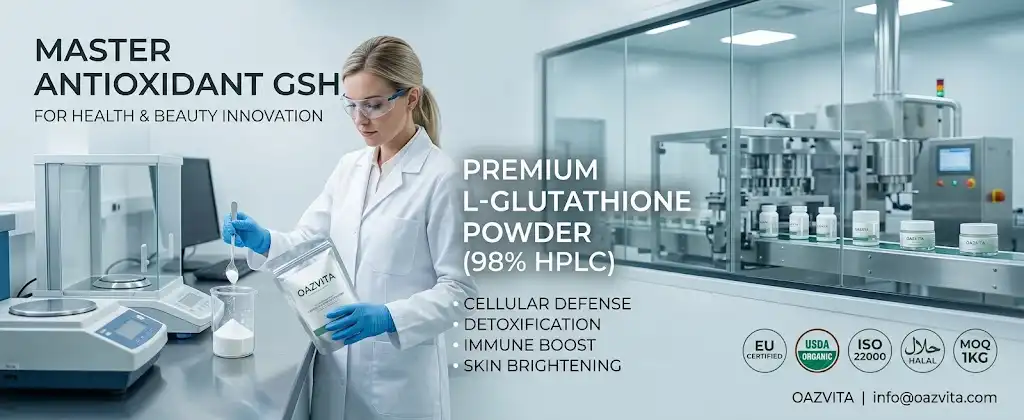
Glutathione powder is rapidly becoming one of the most sought-after raw materials in the nutraceutical and wellness industries. As the body's master antioxidant — a tripeptide composed of glutamate, cysteine, and glycine — it plays a foundational role in cellular defense, detoxification, and immune modulation. For B2B brands, supplement manufacturers, and functional food producers, understanding where and how this ingredient delivers measurable value is not optional. This guide walks through its core applications, procurement realities, and where the market is heading — so your sourcing decisions stay ahead of the curve.
Understanding Glutathione Powder and Its Role in Healthcare
What Makes the Powder Form Stand Out
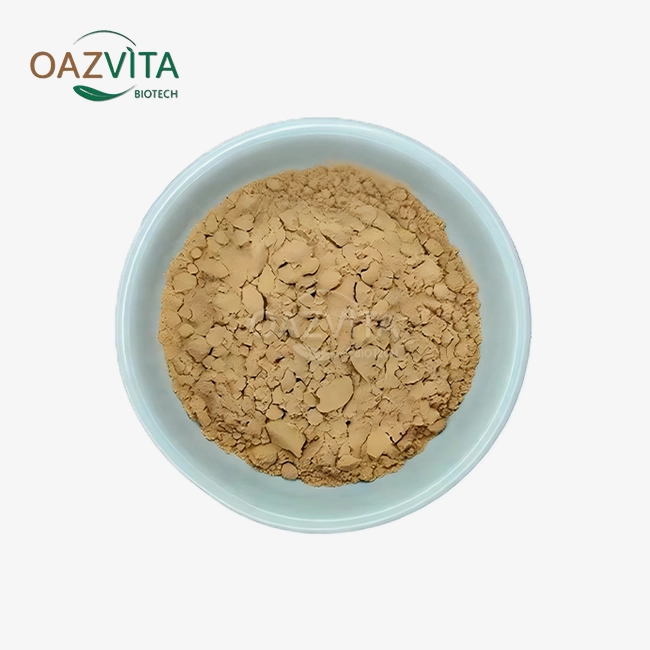
In many ways, the crystalline powder form of L-Glutathione (CAS No. 70-18-8) is better than capsules, injections, or liquids. When stored, the powder form keeps the active sulfhydryl (-SH) group together much better than the liquid form. If you keep it in a cool, dry place for 24 months, it will still work. A good 98% HPLC-grade powder with a mesh size of 60–80 stays active throughout the supply chain. On the other hand, methods that use water quickly change into the inactive GSSG form. For makers, this means correct dosing, more formulation choices, and finished Products that work the same way for everyone.
Biological Function and Why It Matters to Formulators
The body's reactive oxygen species (ROS) are neutralized by reduced glutathione. It also helps the liver clean itself during phases I and II and changes the way immune cells work. As a business-to-business (B2B) product, it works with healthy drinks, topical cosmetics, and vitamins because it has a low molecular weight and dissolves in water. Clean-label rules can be met by formulators who use GSH that comes from fermentation and not from animals. The most important thing about sourcing is that it is pure. Validated by 98% HPLC analysis, the active thiol level stays the same. This has a direct impact on how well the final product works.
Top Healthcare Uses of Glutathione Powder
People will want to buy things because of well-known apps that have been tested and shown to work in the real world. Here is the main use area that supplement companies and companies that make useful things care about the most:-
- Formulations that make skin look younger and fight aging: Low glutathione powder stops the tyrosinase enzyme from working, which stops the production of melanin. Because it works this way, it is often found in goods that whiten teeth and nutricosmetic pills. In 2017, Clinical, Cosmetic, and Investigational Dermatology published a study that showed taking GSH supplements by mouth could make the skin lighter. This means that beauty brands can trust this element based on science.
- Changing the immune system: Glutathione supports the growth of lymphocytes and natural killer cells, which makes them work better. The safety and effectiveness of GSH powder have been proven by science. It can be used in immune-boosting supplements, especially those that help people get better after being sick or stay healthy during the holidays.
- Skin brightening and anti-aging formulations: Reduced glutathione inhibits the tyrosinase enzyme, which disrupts melanin synthesis. This mechanism underpins its widespread use in oral whitening supplements and nutricosmetic capsules. Research published in Clinical, Cosmetic and Investigational Dermatology (2017) confirmed measurable skin lightening outcomes with oral GSH supplementation, making it a clinically credible ingredient for beauty brands.
- Immune system modulation: Glutathione directly supports lymphocyte proliferation and natural killer cell activity. For immunity-focused supplement lines — particularly those targeting post-illness recovery or seasonal wellness — GSH powder provides a reliable, evidence-backed active.
- Antioxidant therapy in functional blends: When paired with Vitamin C, alpha-lipoic acid, or N-acetylcysteine (NAC), glutathione's antioxidant capacity amplifies significantly. This synergy makes it a premium addition to advanced antioxidant formulations targeting cellular vitality and oxidative stress management.
- Liver support nutraceuticals: GSH is integral to hepatic glutathione-S-transferase activity, supporting the body's natural detoxification pathways. Liver health supplements represent one of the fastest-growing subcategories in the U.S. market, and glutathione is increasingly listed as a primary active in these formulas.
Three of these uses are the same: they all make people more aware of ingredients that have been shown to work. People are more likely to believe a brand and buy from them again if their recipes are based on tried-and-true methods.
Comparing Glutathione Powder Types and Brands for Procurement
Fermentation-Derived vs. Synthetic GSH
When you buy from another business, the way the goods are made is very important. Most of the people who have tried it agree that L-Glutathione that comes from fermenting yeast is the best. A bio-identical chemical that doesn't come from animals is made. This meets the requirements of HALAL, vegan, and clean-label laws. They are getting more and more attention in controlled markets like the EU and North America. Some kinds made in a lab might have problems with solvents that are left over. If you want to know more about a supplier, always ask for proof of where the things came from.
Evaluating Specifications and Certifications
Anyone who sells glutathione pills that you can trust should have credentials that can be checked. The food safety groups HACCP, ISO 22000, NSF, HALAL, the EU, and the USDA have all approved OAZVITA's L-Glutathione as organic. That's not all—it comes with a COA, MSDS, and TDS, among other things. All goods meant for the U.S. market must meet these requirements. The requirements for particle size should also be considered by purchasing managers. For both capsule and powder mix uses, a range of 60 to 80 mesh gives an even spread.
The biggest difference between functional-grade and commodity-grade GSH in terms of price is generally how open the testing by a third party is. When suppliers give away free samples and make COA reports that are unique to each batch, it's easier to check the quality.
Procurement and Supply Chain Considerations for Glutathione Powder
MOQ, Packaging, and Lead Time
For brands that are just starting to enter a new market, it's important to have minimum order amounts that are simple to change. It takes at least 1 kg to place an order for bulk glutathione powder for sale with OAZVITA, and the customer can choose how the goods are packed. This structure can be used for both small-scale tests and large-scale production runs. Lead time is between one and five business days, which is very fast for pharmaceutical materials. You can ship your items by air, sea, DHL, FedEx, UPS, and airmail post, making it easy for people in North America, Europe, and Asia to get them.
Quality Assurance Protocols That Protect Your Supply Chain
A lot of procurement managers always make sure that goods are pure before they place large orders. The lowest level of purity that is suitable for reduced glutathione is 98%. This can be checked with HPLC instead of UV spectrophotometry, which can give inaccurate information about the active ingredient. Food-grade or nutritional products must pass purity tests, heavy metal screening, and bacterial load tests before they can be used. By asking for full paperwork on each batch, such as TDS and MSDS, you can protect both the quality of the product and your ability to follow rules in the future.
It's also important to know how your seller moves their goods. As long as the seller has good links with big foreign messengers and a delivery rate of 99% or more on time, there is less chance of delays. This is especially important for plans that depend on items getting there on time.
Future Trends and Innovations in Glutathione Powder Healthcare Applications
The market for glutathione is always changing. After 2026, this material will be grown, processed, and bought in a lot of different ways.
It's becoming more and more popular to use liposomes and S-Acetyl glutathione as supplements instead of pills because pills can be hard for the body to absorb. These more complex forms are popular with brands that want to reach smart customers but cost a lot. It's becoming more and more important for raw material providers to offer precursor material that can be used with liposomal capsule methods in order to stand out.
Sustainability and organic certificates are no longer just nice-to-haves; they are now things that you have to buy. It's becoming more and more important for brands in the EU and US to use organic ingredients that have been approved by the USDA or the EU. One supplier that can serve this growing market area right away is OAZVITA, as they already have these certifications.
Finally, putting glutathione together with bioactives that work well together, such as astaxanthin, CoQ10, and resveratrol, makes new antioxidant complexes that deal with many oxidative stress pathways at the same time. Bulk glutathione powder can be used as a base ingredient to make different product lines by B2B brands that are paying attention to these shape trends.
Conclusion
Glutathione powder is still one of the most useful and scientifically proven ingredients in the field of nutraceuticals. It can be used to make the skin brighter, the immune system stronger, as an antioxidant, and to keep the liver healthy. These uses are backed up by known biological processes and more and more clinical evidence. There will be a lot of business in the supplement, healthy food, and beauty and cosmetics industries that get their materials from sources with clear quality processes and high levels of purity. For years to come, the things you buy will not work as well as the ones you choose now.
FAQ
1. When should glutathione powder be consumed for optimal effect?
In finished supplement formulations, GSH is typically dosed in the morning on an empty stomach to maximize absorption before food intake introduces competing amino acids. However, specific timing guidance varies by product format and target application.
2. Is long-term use of reduced glutathione considered safe?
Clinical literature supports the safety of prolonged oral supplementation at standard doses. Studies have observed no adverse effects at doses up to 1,000 mg/day over extended periods. That said, formulation decisions should always align with regulatory guidelines in the target market.
3. What should I look for when evaluating a glutathione powder supplier?
Prioritize suppliers who provide 98% HPLC-verified purity, batch-specific COA documentation, and internationally recognized certifications such as HACCP, ISO 22000, and NSF. Production origin (fermentation vs. synthetic) and flexible MOQ options are also important indicators of a reliable, scalable supply partner.
4. Does glutathione powder work well in functional beverages?
Yes. Its water solubility and low molecular weight make it suitable for beverage applications. Stability in aqueous environments is improved through pH control and packaging in oxygen-barrier materials.
Partner with OAZVITA for Premium Glutathione Powder Supply
OAZVITA sells 98% HPLC-grade L-Glutathione powder that is approved by HACCP, ISO 22000, NSF, HALAL, the USDA, and the EU. Order minimums (MOQs) begin at 1 kg, and wait times are as short as 1–5 business days. As a trustworthy company that makes glutathione powder, we ship quickly and give free samples to supplement brands, OEM buyers, and distributors all over the world. Email us at info@oazvita.com right away to get a price.
References
1. Pizzorno, J. (2014). Integrative Medicine: A Clinician's Journal — Glutathione as the master antioxidant and its clinical relevance.
2. Weschawalit, S., Thongthip, S., Phutrakool, P., & Asawanonda, P. (2017). Clinical, Cosmetic and Investigational Dermatology — Glutathione and its antiaging and antimelanogenic effects.
3. Forman, H. J., Zhang, H., & Rinna, A. (2009). Molecular Aspects of Medicine — Glutathione: Overview of its protective roles, measurement, and biosynthesis.
4. Sies, H. (1999). Free Radical Biology and Medicine — Glutathione and its role in cellular defense against oxidative stress.
5. Minich, D. M., & Brown, B. I. (2019). Nutrients — A review of dietary (phyto)nutrients for glutathione support.
6. Allen, J., & Bradley, R. D. (2011). Alternative Medicine Review — Effects of oral glutathione supplementation on systemic oxidative stress biomarkers in human volunteers.

Send Inquiry
Related Industry Knowledge
- Nourishing Nettle Recipes for Energy, Minerals & Vitality
- Apigenin: Testosterone Levels and Other Potential Benefits
- Top 7 Benefits of Using Pure Fish Collagen Peptide in Skincare
- Discover the Best Magnesium L-Threonate Supplement
- Exploring Organic Cordyceps Sinensis Extract Powder
- Pure Organic Coconut Milk Powder: Top Uses, Health Benefits, and Best Buying Options
- How to Take Shilajit Drops: A Comprehensive Guide for Wellness Enthusiasts
- Beetroot for Performance: Juice, Powder or Concentrate?
- Complete Guide to Chewable Probiotic Gummies
- Pure Bovine Collagen Peptides vs Marine Collagen: Key Differences Explained