TUDCA Powder vs UDCA Powder: Key Differences Explained
Oct 15, 2026
When sourcing bile acid derivatives for supplement manufacturing, understanding the distinction between TUDCA powder (Tauroursodeoxycholic Acid, CAS 14605-22-2) and UDCA powder (Ursodeoxycholic Acid) is not optional — it directly affects your formulation performance, regulatory standing, and product positioning. Both compounds share a structural origin, yet their molecular profiles, solubility characteristics, and application suitability differ in ways that matter deeply to B2B buyers. This guide breaks down those differences clearly so your procurement decisions are grounded in chemistry, not guesswork.
Understanding TUDCA and UDCA Powders: Definitions and Uses
You should know what each of these chemicals is and how it is used in current supplement making before putting them next to each other.
What Is TUDCA Powder?
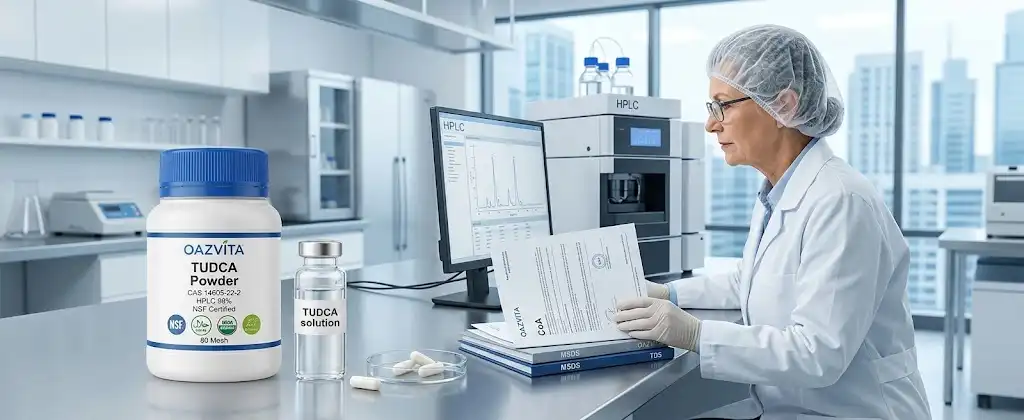
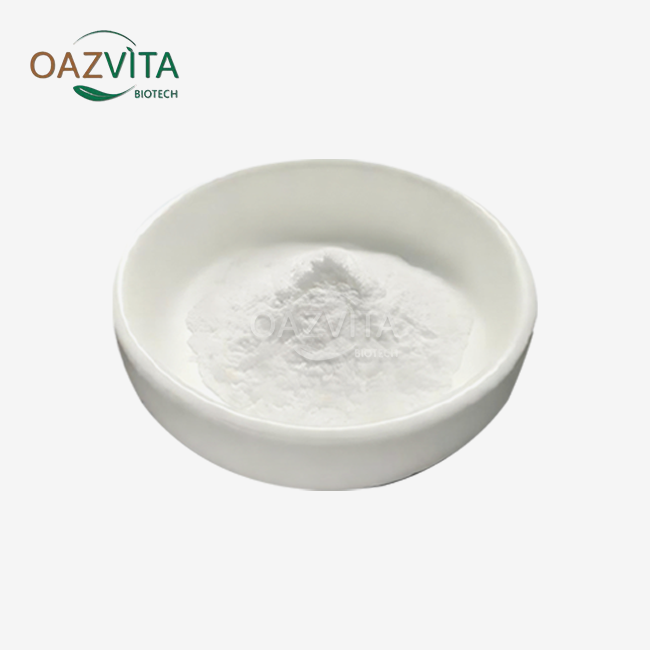
TUDCA, or Tauroursodeoxycholic Acid, is a bile acid salt that dissolves in water. It is made by joining UDCA with the amino acid taurine. The formula for its molecule is C₂₆H₄₅NO₆S, and its weight is 499.70 g/mol. It is sold as a white to off-white crystalline powder that absorbs a lot of water and needs to be stored in a way that keeps air out and uses a desiccant. With certificates from HACCP, ISO 22000, NSF, HALAL, EU Organic, and USDA Organic, OAZVITA's TUDCA powder is 99% pure by HPLC at 80 Mesh.
What Is UDCA Powder?
UDCA is a naturally occurring secondary bile acid that comes from bear bile, but most market forms today are made in a lab. Its structure is simpler than TUDCA's because it doesn't have the taurine conjugate. UDCA has been studied a lot in liver studies for many years. It dissolves less easily in water and is absorbed more slowly than TUDCA. This makes it a good choice for normal recipes where cost is more important than quick bioavailability.
Growing B2B Demand for Both Compounds
There is a growing market for bile acid derivatives around the world because supplement brands, sports nutrition companies, and functional food makers are looking for high-purity raw materials. Before approving supplier relationships, procurement managers are asking for more and more CoA documentation, HPLC verification, and third-party certification. Both TUDCA and UDCA are in high demand in the US and Europe, but for different types of Products and at different price points.
Key Differences Between TUDCA Powder and UDCA Powder
The most useful information for a business-to-business buyer to have when making sourcing decisions is to know where these two compounds differ.
Chemical Structure and Bioavailability
Compared to UDCA, which doesn't dissolve well in water, TUDCA has a taurine compound that makes bulk TUDCA powder dissolve much more easily in water—more than 100 mg/mL. This difference has a direct effect on the design of the formulation. UDCA works better in solid dosage forms like pills or tablets, while TUDCA works well in liquid-based products. The taurine group also makes TUDCA less likely to be broken down by stomach acid, which makes intestinal absorption more reliable.
Mechanism of Action and Cellular Activity
TUDCA works as a chemical chaperone to protect cells. It lowers stress in the endoplasmic reticulum (ER) and keeps the walls of mitochondria stable, which is something that UDCA doesn't do at the same level. UDCA, on the other hand, mostly works by changing the make-up of bile and lowering the amount of hydrophobic, possibly cell-harming bile acids. For sports nutrition companies looking for a raw material that fights oxidative stress at the cellular level, TUDCA is the best choice from a technical point of view.
Safety Profile and Formulation Challenges
As shown in clinical papers for a long time, UDCA is safe. This means that regulatory reviewers are familiar with it. TUDCA is well accepted in study settings, but it is hard to make because it tastes very bitter. It needs to be encapsulated, or bitterness-masking agents like sucralose or flavor systems need to be added. UDCA, on the other hand, doesn't have any taste, which makes it easier to work with in powder mixes and healthy foods.
Choosing the Right Powder for Your Business Needs
Choosing the right compound isn't just a science question; it's also a business strategy question that affects how you place your product line, how much it costs to make, and who you want to sell it to.
Matching the Compound to Your Product Format
Tudca powder is the best ingredient for supplement companies making liver support pills or sports recovery products because it dissolves more easily and activates cells more quickly. If your product line is aimed at budget-conscious customers and comes in pill or softgel form, where fast absorption is not as important, UDCA may work well enough at a lower cost for the raw materials. Before choosing an ingredient, OEM/ODM buyers who are putting out their own private-label goods should make sure that the dosing form will work with the product.
Purity Standards and Supplier Certification
At the business-to-business level, high-purity buying is a must. For TUDCA, buyers should ask for at least a 99% HPLC test, make sure the specific optical rotation is between +43° and +49°, and make sure the pH of a 1% solution is between 5.5° and 7.5°. There should be a full CoA, MSDS, and TDS for each compound. To follow California Prop 65, heavy metal screening must show that lead levels are below the acceptable threshold per daily dose equivalent. Suppliers who don't have these papers put regulators at risk.
Cost Efficiency and Bulk Purchase Strategy
TUDCA costs more per kilogram than UDCA because it needs an extra step in the production process called taurine conjugation. But because it is more bioavailable, effective dose sizes may be smaller in some forms, which helps to balance out the higher cost. When brands order in bulk, negotiating flexible MOQs (which start at 1 kg) lets them test the product first before committing to large-scale production runs. In premium product lines, an organized cost-per-efficacy study often shows that TUDCA is the better long-term value.
How to Source and Buy TUDCA and UDCA Powders Efficiently
How efficiently you buy things depends on how carefully you check out suppliers before you place your orders, not after.
Verifying Authenticity and Documentation
Before you approve a seller, make sure you get all of their batch paperwork, such as HPLC test reports, heavy metal panels, microbial testing results, and residual solvent analyzes. Tauroursodeoxycholic acid powder from reputable providers can be tracked all the way from production to delivery. OAZVITA gives you a COA, MSDS, and TDS for every batch, as well as free samples to test before you buy, which greatly lowers your qualification risk.
Logistics, Storage, and Shipping Considerations
TUDCA powder absorbs moisture, so moisture-barrier materials and desiccant packs must be included in packaging. If you keep it in a cool, dry place, it will last for 24 months. The usual lead time for OAZVITA is between 1 and 5 business days. They ship by air, sea, DHL, FedEx, UPS, and airmail. International distributors who manage supply chains for multiple markets need reliable shipping partners and regional storage options to keep the quality of their products from where they are made to where they are sold.
Regulatory Compliance for US and EU Markets
People in the US should make sure the product is NSF-certified and meets Prop 65 heavy metal requirements. Shipments going to the EU need to be certified as organic by the EU and have all the paperwork needed to track them. Tudca powder from OAZVITA has been certified by HACCP, ISO 22000, NSF, HALAL, EU Organic, and USDA Organic, which means it meets the main needs of both markets. This package of paperwork speeds up the clearance process at customs and makes it easier to send regulatory paperwork for new product registrations.
Enhancing Product Value and User Trust Through Knowledge
When you're sourcing ingredients, the ones you choose will have a direct effect on how end customers and retail buyers see your brand.
Addressing Common Misconceptions
A common misunderstanding is that TUDCA and UDCA can be used in place of each other in formulations. They're not. Their solubility, taste, and how they work are different enough to change how they are mixed, what they say on the package, and how the customer feels. Clear communication of these differences through product education tools and technical data sheets helps brands build trust with knowledgeable customers and store partners.
Using Clinical Data to Strengthen Your Brand Position
Both substances have studies backing them up from other researchers. When you use published studies in product literature to back up your brand claims, they have more scientific weight. Researchers have looked at TUDCA in the setting of ER stress and mitochondrial function. On the other hand, UDCA's role in changing bile acid levels has been supported by decades of clinical study. When brands use this data correctly and within the limits set by regulations, they show their marketing partners that they are open and committed to science.
Differentiating Through Ingredient Quality
When there are a lot of cheap options on the market, getting pharmaceutical-grade raw materials that are fully certified is what sets you apart. Brands that say their TUDCA powder is 99% HPLC-verified and comes from approved suppliers can charge more and get retail and delivery partners who care about quality. This puts your line of products ahead of similar ones on the market without having to change the recipe.
Conclusion
You can choose between TUDCA powder and UDCA powder based on your manufacturing goals, your target market, and your quality standards. Because it dissolves and works better in cells, TUDCA is the best choice for high-end supplement lines. UDCA offers a cheap option for standard formulations that have a history of being safe. Both need to be sourced from verified, high-purity, certified suppliers. Working with a seller that offers full paperwork, flexible minimum order quantities, and reliable shipping around the world lowers the risk of buying something and helps products come out faster.
FAQ Section
1. Can TUDCA and UDCA powders be used interchangeably in formulations?
No. Both are bile acid products, but they dissolve, taste, absorb, and work in different ways. TUDCA dissolves much more easily in water and works better in liquid or fast-absorption forms. UDCA works well in solid dosage forms that are common. If you switch one for the other without making any changes to the recipe, it could affect how well the product works and how accurate the label is.
2. What is the recommended storage condition for bulk TUDCA powder?
Keep in a cool, dry place below 25°C in containers that don't let air in and with desiccant packs. TUDCA is hygroscopic, which means it absorbs water from the air. This can make it less pure and less fluid. If you store it right, it will last for 24 months. Always shut the package again right away after using it.
3. How do I verify the purity of TUDCA powder before purchasing?
Ask for a third-party HPLC assay report to confirm that the sample is at least 99% pure. The report should include information on the specific optical rotation (+43° to +49°), pH data (1% solution: 5.5–7.5), and residual solvent analysis. Every batch should come with a full CoA from the supplier. This paperwork is available from reputable sellers before and after the sale.
4. Is synthetic TUDCA suitable for vegan-certified products?
Yes. Synthetic TUDCA doesn't come from animals, so it doesn't pose the same biological pollution risks. It's also vegan-friendly. OAZVITA sells TUDCA powder that is made in a lab and can be used in vegan and HALAL-certified products.
Partner with OAZVITA for Premium TUDCA Powder Supply
OAZVITA sells certified TUDCA powder that is 99% pure by HPLC and 80 mesh. It comes with full documentation such as a COA, MSDS, and TDS. We have a 99%+ on-time delivery record for DHL, FedEx, UPS, and sea/air freight through our global logistics network. Our team gets back to you within one working day, whether you need a 1 kg trial or a large production order. You can get a free sample or quote by emailing us at info@oazvita.com.
References
1. Alanis-Lobato, G., et al. — Journal of Lipid Research, 2018.
2. Cabrera, D., et al. — Annals of Hepatology, 2019.
3. Fiorucci, S., & Distrutti, E. — Pharmacological Reviews, 2015.
4. Kars, M., et al. — Hepatology, 2010.
5. Ozcan, U., et al. — Science, 2006.
6. Xie, Q., et al. — World Journal of Gastroenterology, 2020.

Send Inquiry
Related Industry Knowledge
- How to Choose the Best Pure Fish Collagen Peptide in 2026
- Apigenin: Health Benefits, Sources, and Safety
- Berberine for weight loss: Benefits and what you need to know
- 7 Uses of Pure Inulin Powder and its Benefits
- Nettle Extract Powder Uses and Plant Profile
- What Is Nicotinamide Riboside Chloride Powder and How Does It Work in Anti-Aging?
- Natural Astaxanthin Powderr: The Ultimate Guide to Nature’s Most Potent Antioxidant
- Acai Powder: Unlock Healthy Breakfast Ideas
- 2026 Buyer’s Guide to Nicotinamide Riboside Chloride Powder for Health Supplements
- Shilajit resin supplement for hormone support and testosterone