
What Is Chicken Collagen Peptides and How Does It Enhance Skin Health
Jul 13, 2026
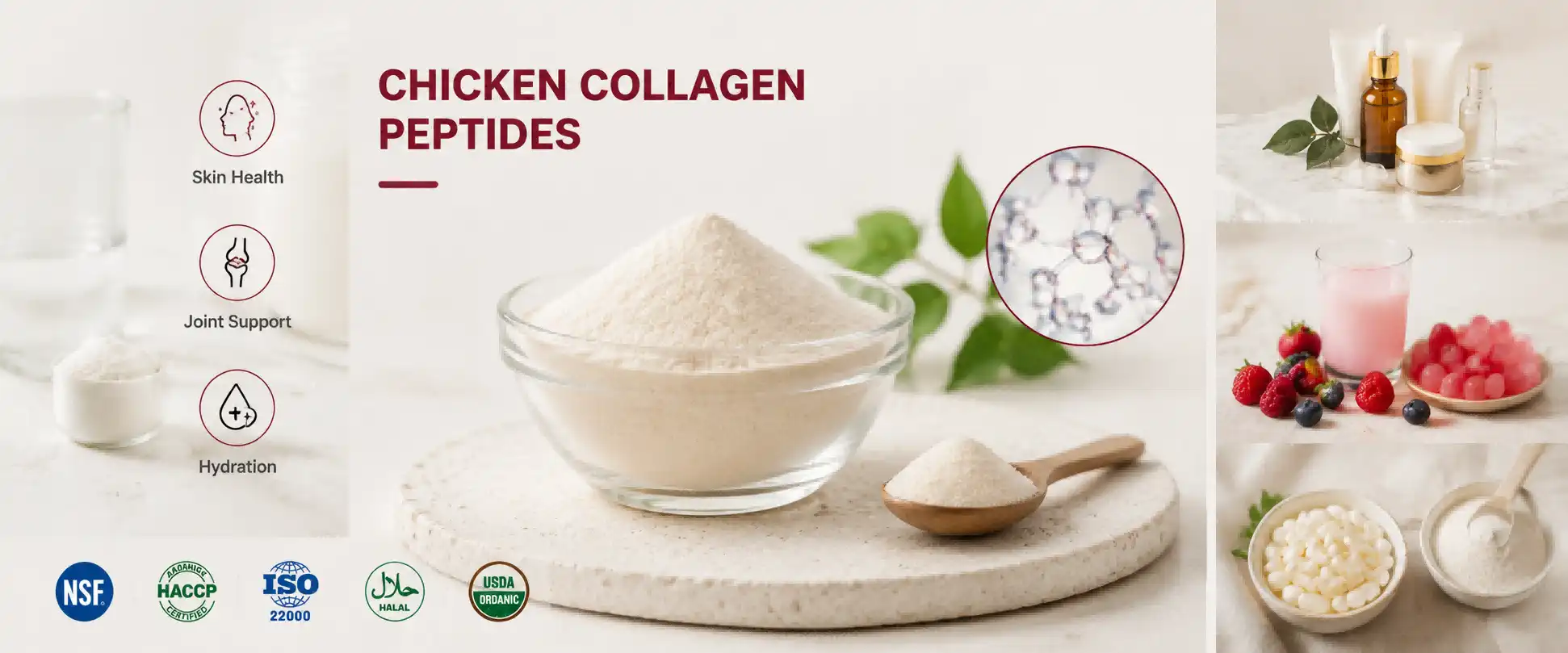
Chicken collagen peptides are bioactive protein fragments mainly made from chicken cartilage and skin after being hydrolysed by enzymes. Native collagen has a large molecular structure, but these hydrolysed peptides have low molecular weight chains (usually 500–3,000 daltons) that are better at being absorbed—more than 90% within hours of eating them. These peptides help keep the skin flexible, hydrated, and free of wrinkles by being high in Type II collagen, chondroitin sulphate, and hyaluronic acid. They also improve joint health and mobility and overall wellness.
Understanding Chicken Collagen Peptides
What Makes Chicken Collagen Peptides Unique?
During the production process, raw chicken parts like sternal cartilage and skin are turned into chicken collagen peptides that are easily absorbed by the body. Manufacturers use controlled enzymatic hydrolysis to break down the tough triple-helix collagen structure into smaller peptides that the body can easily absorb. This process gets rid of the problems that come with digesting raw collagen, which has a molecular weight of about 300kDa.
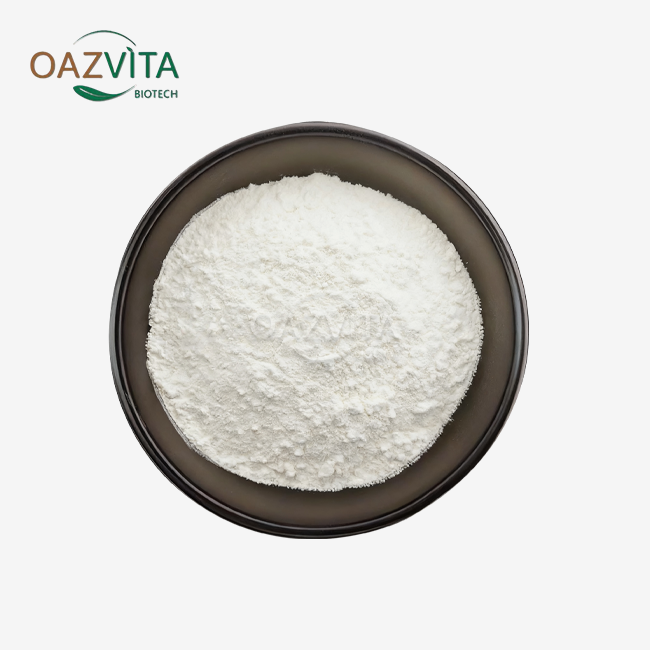
This advanced processing is shown by OAZVITA's Chicken Collagen Peptides (CAS NO.: 9007-34-5), which has 95% purity as proven by HPLC testing. The powder form dissolves quickly in cold water and doesn't clump, which makes it perfect for adding to a wide range of Products. The substance stays stable in pH ranges from 2.0 to 6.0, which means it works great in acidic drinks and supplement stacks without forming crystals.
Key Compositional Characteristics
Chicken collagen peptides are mostly made up of three amino acids: glycine, proline, and hydroxyproline. These are the three amino acids that humans need to make collagen naturally. Type II versions naturally have 10–26% chondroitin sulphate and 1–3% hyaluronic acid, which together form a synergistic matrix that is missing from options from cattle or sea life. This mixture works on the structure of the skin from the inside out, helping it keep water and strengthening the extracellular matrix that makes the skin hard and resilient.
When the peptides come from chicken skin, they mostly contain Type I collagen, which makes up about 80% of the dermis. This version directly addresses skin ageing issues by giving the body the building blocks it needs to make new collagen. Researchers can track peptide intake through blood concentration tests because hydroxyproline is present. This proves that the ingredient works biologically.
The Science-Backed Benefits of Chicken Collagen Peptides for Skin Health
Clinical Evidence for Skin Elasticity and Hydration
Several clinical studies show that regular use of chicken collagen peptides leads to measurable improvements in skin parameters. Skin suppleness measures and dermal collagen density went up statistically significantly in people who ate 2.5 to 10 grams of it every day for eight to twelve weeks. The peptides increase the activity of fibroblasts, which are cells that make new collagen and elastin. This makes the skin feel and look firmer and smoother.
Metrics for hydration also get a lot better. Hyaluronic acid, which is naturally found in chicken collagen peptides made from chicken cartilage, can hold up to 1,000 times its own weight in water, which makes the skin more moist. Instrumental analysis and subjective assessment scales were used to measure how dry and rough the skin was on people who took part in controlled trials. Because of these results, Chicken Collagen Peptides is a great active ingredient for nutricosmetic products that aim to make people look beautiful from the inside out.
Wrinkle Reduction and Anti-Ageing Properties
Peptide supplements work especially well for improving the visible signs of ageing. Clinical imaging shows that the depth and volume of wrinkles are getting less noticeable, especially around the eyes and mouth, where collagen degradation is most noticeable. The process includes both direct stimulation of collagen production and defence against enzymes like matrix metalloproteinases that break down collagen.
The peptides support the health of connective tissue all over the body, not just on the face. This all-around effect means that changes can be seen in hair and nail health as well, giving B2B companies that make holistic beauty products a lot of options. The safety profile for these peptides has been good across studies, with no major side effects seen at standard doses. This means they can be used in long-term supplementation plans.
Comparison of Chicken Collagen Peptides with Other Collagen Sources
Source Material and Peptide Composition Differences
Knowing the different sources of collagen helps buying pros make smart choices that are in line with how the product is positioned. Type I and III collagen are mostly made from bovine collagen, which is taken from cowhides or bones. Type I marine collagen comes from fish skin or scales and has smaller peptide sizes. Because it has more type II collagen and natural matrix components like chondroitin sulphate, chicken collagen peptides are different.
The way the chemical weight is spread out changes between sources. Marine collagen often has the smallest peptide sizes, sometimes less than 1,000 daltons, which is often promoted as better absorption. But studies show that chicken collagen peptides in the 2,000–3,000 Dalton range have about the same bioavailability as other types. They also have matrix components that work together to help the skin and joints. This dual-action profile makes product claims that stand out, which is useful in supplement markets that are already very crowded.
Bioavailability and Functional Performance
Studies that use radioactive tracers or hydroxyproline measurement to look at absorption show that all three types of collagen are highly bioavailable when they are properly broken down. What makes them different is not how fast they absorb, but how well they work. Due to their particular amino acid ratios and the presence of naturally occurring glycosaminoglycans, chicken collagen peptides show exceptional effectiveness in promoting skin flexibility.
When it comes to construction, chicken collagen peptides are very stable at high temperatures; they can handle pasteurisation temperatures of up to 85°C without breaking down. This feature is very important for beverage makers who need to do hot-fill processing. Thanks to advanced deodorisation technologies, the neutral taste profile stops the fishy notes that can come from marine collagen or the stronger flavour of beef sources. These useful benefits lower the cost of flavourings and make them more useful in more product types.
How to Select and Procure Quality Chicken Collagen Peptides for Your Business?
Critical Quality Verification Parameters
Molecular weight distribution research for chicken collagen peptides is the first step to great procurement. Ask for HPLC or gel permeation chromatography data that shows that at least 80% of the peptides are smaller than 3,000 daltons and a large portion is smaller than 2,000 daltons. This specification makes sure that finished products have the best bioactivity and absorption. OAZVITA gives full certificates of analysis for each batch, which include molecular weight profiles and proof of protein content.
Heavy metal screening with an ICP-MS is part of the purity test. This makes sure that the amounts of lead, arsenic, mercury, and cadmium are well below the legal limits—usually less than 10 ppm for all four of them put together. Antibiotic residue testing addresses common worries about how chickens are raised, and PCR species authentication stops cheap protein sources from being used to make the food fake. These quality controls keep the brand's reputation safe and make sure that it meets strict international standards like HACCP, ISO 22000, and NSF certification.
Supplier Selection and Compliance Standards
Traceability is an important factor that can't be skipped when buying Dietary Supplements today. Leading suppliers keep full records of the chain of custody, from the farms where the food comes from to the point where it is packaged. This openness lets brands make honest claims about clean labels and answer questions from customers about where ingredients come from. The different certificates that OAZVITA has, such as HALAL, EU Organic, and USDA Organic, meet the needs of different markets and allow the company to reach specific groups of customers.
Look at more than just basic certifications when judging production skills. Manufacturers with flexible minimum order amounts, like OAZVITA's 1 kg MOQ, let you try their products without having to worry too much about running out of stock. Custom packaging choices help brands stand out, and quick lead times (1–5 working days for common specs) keep the supply chain flexible. Free samples with full technical documentation speed up the development of new products and make it easier to make smart decisions about formulation.
Practical Applications and Usage Guidelines for Chicken Collagen Peptides
Recommended Dosages and Timing Protocols
There is clinical evidence that taking between 2.5 and 10 grams of chicken collagen peptides every day is good for your skin. Most studies use 5 grams as the standard amount. Because the bioactive matrix is so concentrated, lower doses of 500 mg to 2 grams of Type II collagen from cartilage work well to support joints and improve skin. It is suggested that you take the peptides with food to get the most out of them, but you can still take them without food because they are so bioavailable.
Product designers might want to think about splitting daily amounts into multiple doses so that amino acids are available all day long. This method works like the body's natural process of constantly replacing collagen, which might improve the rate of synthesis. Formulations that combine chicken collagen peptides with vitamin C take advantage of vitamin C's important role as a cofactor in collagen synthesis. This creates synergistic effects that make the product work better and support stronger marketing claims.
Versatile Product Forms and Formulation Strategies
The powder form of chicken collagen peptides works well with a lot of different kinds of products. Dietary supplement companies put it in pills, tablets, and stick packs so that it's easy to take every day. Functional food and drink companies use its bland taste and stability to add health benefits to protein drinks, energy bars, ready-to-drink beauty drinks, and functional teas without changing the way they taste or smell.
For nutricosmetic applications, chicken collagen peptides work well with plant extracts like resveratrol or grape seed proanthocyanidins to make complete anti-ageing mixtures. The powder dissolves easily, which makes clear collagen shots possible, which is a popular way to take beauty supplements right now. Gummy makers can use the peptides with formulation systems that don't use gelatin, which appeals to vegans who are looking for plant-based ways to get this animal-derived ingredient into the body. Keeping products in cool, dry places for 24 months keeps them stable, which makes managing inventory easier and cuts down on waste.
Conclusion
Chicken collagen peptides are an ingredient that has been scientifically proven to improve skin health. They are more bioavailable because they are broken down by enzymes, which lowers their molecular weight and makes them easier for the body to absorb. The special mix of ingredients—mainly Type II collagen, chondroitin sulphate, and hyaluronic acid that occur naturally—helps both the skin's elasticity and the joints' ability to work, making the product stand out in competitive markets. When purchasing professionals are looking for good sources, they should focus on suppliers that have strict quality control, a wide range of certifications, and flexible payment terms that allow for both quick product development and large-scale production. The ingredient is an important part of the growing nutricosmetics and functional wellness industries because it is stable at high temperatures, has a neutral organoleptic profile, and can be used in a wide range of formulations.
FAQ
1. How does bioavailability compare to unprocessed collagen?
Native collagen has a molecular weight of about 300 kDa, which means it is mostly not edible. Serum hydroxyproline concentration tests show that chicken collagen peptides are below 3k. Da absorb more than 90% of their weight within one to two hours of consumption. This huge increase in bioavailability directly leads to benefits in how things work.
2. Can vegetarian or vegan consumers use chicken collagen peptides?
No, chicken collagen peptides come from animal sources, specifically the cartilage and skin of chickens. This means that they can't be used by people who are vegetarian or vegan. Brands that want to reach these groups of people should look into plant-based collagen alternatives or collagen-boosting formulas with vitamin C and silica, which help the body make its own collagen.
3. How does chicken collagen compare to marine collagen for skin benefits?
When properly hydrolysed, both sources make a noticeable difference in skin health. Marine collagen has smaller peptides and a focus on type I, while chicken collagen peptides have a lot of type II complexity and matrix components. Since clinical outcomes seem to be similar, decisions about which products to use should be based on preferences for sourcing, concerns about sustainability, and the positioning of the target product, not on differences in how well they work.
Partner with OAZVITA for Premium Chicken Collagen Peptides Supply
Pharmaceutical-grade chicken collagen peptides are what OAZVITA does best. They send it to supplement brands, functional food manufacturers, and nutricosmetic companies all over North America and the world. Our extensive certifications, such as HACCP, ISO 22000, NSF, HALAL, and organic credentials, along with our 95% HPLC-verified purity, make sure that your products meet the strictest regulatory requirements while still providing scientifically relevant benefits to end users.
As a reliable manufacturer of chicken collagen peptides, we offer flexible minimum orders starting at just 1 kg. This lets you test the product without having to worry about running out of stock. Our dedicated research and development team helps you with formulation and application for free, which shortens the time it takes to get your new skin health and wellness products to market. With lead times between 1 and 5 business days and a global logistics network that includes DHL, FedEx, and other specialised freight services, we keep the supply chain reliable that brands need to grow.
Email our team at info@oazvita.com right now to get your free sample and full technical reference package. Our account managers provide personalised service that includes everything from initial specification consultation to ongoing quality checking. They make sure that our Chicken Collagen Peptides supplier's services fit seamlessly into your production routines.
References
1. Proksch E, Segger D, Degwert J, et al. Oral supplementation of specific collagen peptides has beneficial effects on human skin physiology: a double-blind, placebo-controlled study. Skin Pharmacology and Physiology, 2014.
2. Choi FD, Sung CT, Juhasz ML, Mesinkovsk NA. Oral collagen supplementation: A systematic review of dermatological applications. Journal of Drugs in Dermatology, 2019.
3. Bolke L, Schlippe G, Gerß J, Voss W. A collagen supplement improves skin hydration, elasticity, roughness, and density: Results of a randomized, placebo-controlled, blind study. Nutrients, 2019.
4. Schauss AG, Stenehjem J, Park J, Endres JR, Clewell A. Effect of the novel low molecular weight hydrolyzed chicken sternal cartilage extract on skin wrinkles: a randomized, double-blind, placebo-controlled trial. Journal of Medicinal Food, 2012.
5. Iwai K, Hasegawa T, Taguchi Y, et al. Identification of food-derived collagen peptides in human blood after oral ingestion of gelatin hydrolysates. Journal of Agricultural and Food Chemistry, 2005.
6. Zague V, do Amaral JB, Rezende Teixeira P, et al. Collagen peptides modulate the metabolism of extracellular matrix by human dermal fibroblasts derived from sun-protected and sun-exposed body sites. Cell Biology International, 2018.

Send Inquiry

Related Industry Knowledge
- Nitrates for Cyclists: Does Beetroot Make You Faster?
- What is coconut milk powder, and how do we make it?
- How to take açai powder?
- The main benefits that make Reishi mushroom extract a valuable addition to your daily diet
- Are Chewable Probiotic Gummies Better Than Capsules for Gut Health?
- Buyer’s Guide: How to Choose the Best Pure NAD+ Powder
- Best Pure NMN Powder Uses for Anti-Aging in the Nutraceutical Industry
- Batch-to-Batch Consistency in Inositol Powder for India
- Germany Market Focus on Beta-Glucan Standardized Lion’s Mane Extract Capsules
- United States Longevity Market Demand for High-Purity NMN Supplement Capsules