Dihydromyricetin: Uses, Interactions, Dosage, and Science
Sep 01, 2026
When sourcing Botanical Extracts for your supplement brand, understanding the science behind the ingredient is as important as verifying its certification. Dihydromyricetin Powder, a natural flavonoid compound extracted from Ampelopsis grossedentata (commonly known as Vine Tea), has emerged as a powerful hepatoprotective and antioxidant agent in the nutraceutical market. Unlike synthetic liver support alternatives, DHM offers multi-pathway benefits by accelerating alcohol-metabolizing enzymes and protecting cellular structures from oxidative stress, making it a strategic ingredient for brands targeting recovery, wellness, and metabolic health formulations.
Understanding Dihydromyricetin Powder – Composition, Benefits, and Mechanism
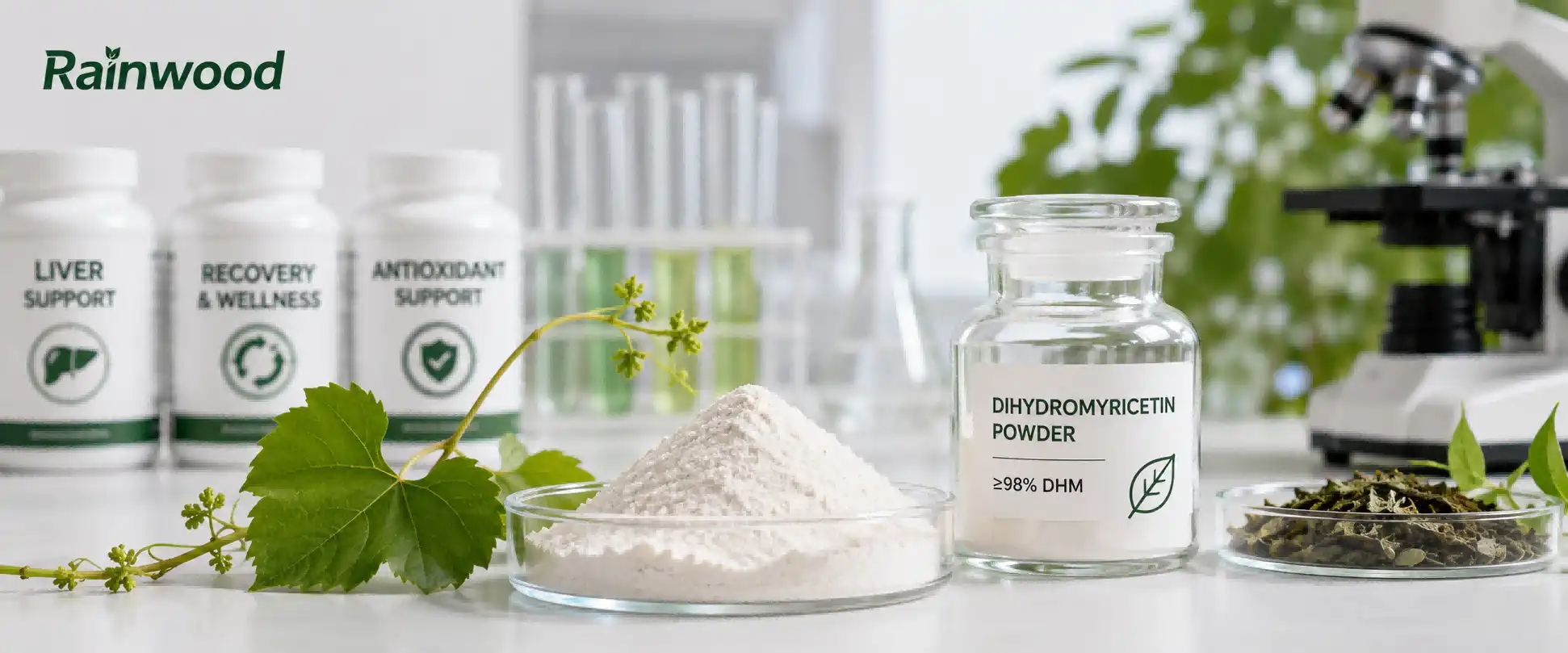
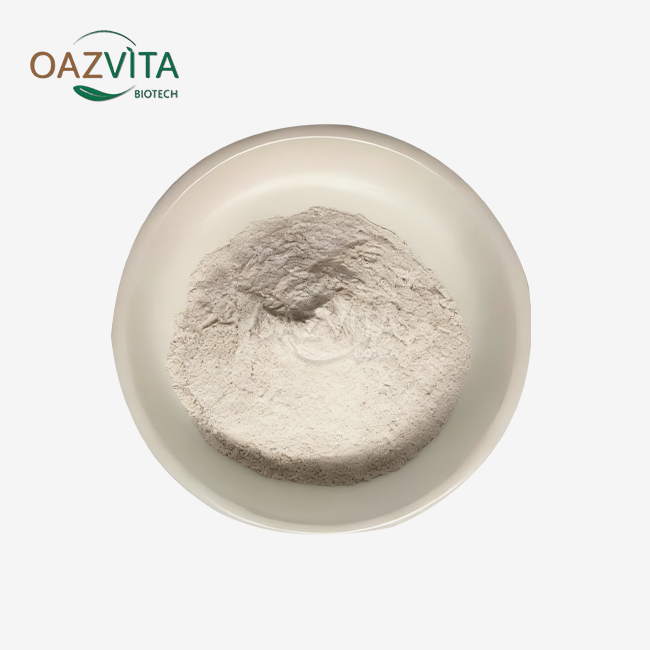
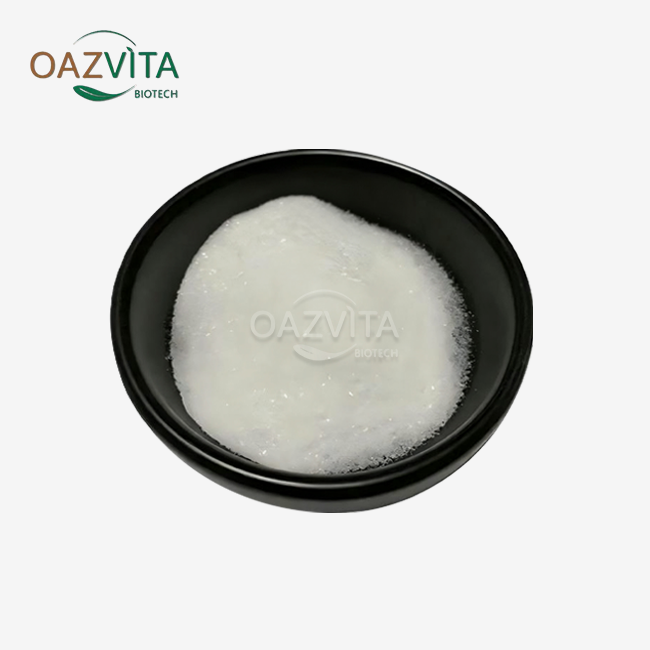
It is a flavonol, which is a type of flavonoid. It is also known as Ampelopsin (CAS NO.: 27200-12-0). Its molecular formula, C15H12O8, shows that it is made up of polyphenols and a lot of hydroxyl groups, which affects its antioxidant qualities directly. It is common for professional-grade Dihydromyricetin Powder to be 98% pure after HPLC testing. This makes sure that all production runs are the same in terms of bioactivity and consistency. The stuff is a crystalline powder that ranges from off-white to white and melts at around 245-246°C. It stays very stable at high temperatures when making hot drinks and during normal pasteurization processes.
Chemical Composition and Extract Forms
Oils made from water and ethanol are used to naturally extract Vine Tea. The systems are then cleaned and dried with a spray. That which was made into powder has functional co-factors that are made that don't have. People will find it easy to accept, and the title will look better. Cold water doesn't break down the material very well, but hot water solutions and ethanol do. This changes how tablets, pills, and health drinks are made.
Pure Dihydromyricetin Powder (≥98% standardized), plant extracts with lower concentrations (20–50% DHM), and special blends that mix DHM with chemicals that work well with it, like silymarin or glutathione, are all options for manufacturers. It is best to use pure powder for clinical-grade supplements because it makes doses more accurate. On the other hand, it is better to use mixed extracts for consumer health goods because they work better together.
Core Health Benefits Backed by Research
A lot of different parts of the body can be healed with DHM. Its main benefit is that it keeps the liver healthy and breaks down alcohol faster by making alcohol dehydrogenase (ADH) and acetaldehyde dehydrogenase (ALDH) work harder. This process stops acetaldehyde from building up, which is a dangerous chemical that leads to hangover symptoms and liver disease. Clinical evidence suggests that DHM may lower blood alcohol levels more quickly than passive metabolism. However, everyone will behave in their own unique way.
DHM is a strong antioxidant that gets rid of free radicals and stops lipid breakdown. It also helps the liver. Oxidative stress can't damage cell walls because of this trait, which helps lower inflammation. New research is looking into DHM's role in metabolic health, especially how it can change the way fat is burned and help people keep a healthy weight by turning on the AMPK pathway. But there aren't many trials with people yet.
Another area that looks promising is the effect on the brain. When you drink alcohol, DHM works with GABA-A receptors to stop your brain from becoming overly excited again. DHM is a natural neuroprotective drug that can be used in healing Products that help people sleep better and deal with stress better because it doesn't make people sleepy as benzodiazepines do.
Mechanism of Action Explained
DHM works because it can change binding sites and important enzyme systems at the molecular level. It makes hepatocytes make more ADH and ALDH, which speeds up the two-step process of turning ethanol into acetate. Enzymes help keep harmful intermediates from being too strong for the cells' detoxification routes. DHM also makes more glutathione, which makes the liver's natural defense against free radicals stronger.
It lowers inflammation by stopping the production of cytokines that cause inflammation, such as TNF-α and IL-6. There are more of these cytokines in the body when it is stressed out or drunk. Long-term inflammatory reactions that cause metabolic syndrome and liver cirrhosis are slowed down by DHM. This is done by stopping NF-κB activation. Because it works on more than one target, DHM is better at treating complicated physiological problems than vitamins that only work on one route. It gives B2B clients an element that is based on science and helps them put their goods in a way that makes them stand out.
Comparing Dihydromyricetin Powder to Alternatives – Making Informed Sourcing Decisions
It is important to think about how well an item helps the liver, how much it costs, how stable the supply is, and where it fits in the market. Milk Thistle (silymarin) and N-Acetylcysteine (NAC), two well-known vitamins that protect the liver, are direct competitors of Dihydromyricetin Powder. There are pros and cons to each that depend on the design goals.
DHM Powder vs. Milk Thistle Extract
Milk Thistle, which is standardized to 70–80% silymarin, is still the most popular product for liver health. This is because it has been studied in clinical settings for decades, and people know about it. Silymarin helps protect hepatocytes by keeping cell walls stable and making more proteins. This is especially helpful for people who have had liver problems for a long time. But DHM works better with acute alcohol metabolism. This makes it better for goods that help with hangovers and social recovery, where quick enzyme action is important.
For uses that need to be very pure, DHM is better because it is cheaper. Standardized silymarin extracts usually cost 15–25% more than 98% Dihydromyricetin Powder. However, prices can change based on how much is harvested and where the extracts come from. Formulations with these two ingredients work better when mixed together. This is good for people who want complete liver protection, but it makes formulations more difficult to make and costs more.
DHM vs. N-Acetylcysteine (NAC)
Because NAC is a building block for glutathione, it replenishes the antioxidant stocks that cells lose during oxidative stress. If you want to help your body get rid of toxins, NAC is a good choice. However, DHM has enzymes that directly break down alcohol better. When it comes to products that treat hangovers, DHM works better, while NAC is better for general lung health and antioxidant uses.
One company stands out because it has a stable supply line. In some places, officials are keeping a close eye on NAC sources, and the FDA isn't sure if it should be called a dietary supplement. DHM comes from plants that are thot to be safe, so it doesn't get into as many legal issues. This helps you buy things for long-term lines of products.
Pure DHM Powder vs. Lower-Concentration Extracts
Every serving of pure 98% Dihydromyricetin Powder has the most active ingredient, so capsules can be small and doses can be exact. Less concentrated extracts (20–50% DHM) need larger serving sizes, which changes the number of capsules and how easy they are for customers to use. They also use fewer raw materials and cost less. For high-end brands, pure powder formulas work best. For mass-market brands that want to keep costs low, extract grades may work better.
Powders that are mixed with DHM and plants that work well together, like Hovenia dulcis or Pueraria lobata, make one-of-a-kind items that look like traditional medicine. People who want to find answers about their overall health like these combinations, but scientific proof of claims that they work together needs to be carefully documented. To make sure compliance and customer trust, there should be a mix of new ideas and marketing based on facts.
Procurement and Sourcing – How to Buy Quality Dihydromyricetin Powder
To get a steady supply of Dihydromyricetin Powder, you need to carefully check out your suppliers and make sure they follow quality control rules. Global B2B clients need to figure out how to check certifications, set prices, and organize transportation in order to build strong supply chains that help their products grow.
Supplier Vetting and Certification Standards
People who sell DHM you can trust keep all of their licenses on hand to show they know how to make things and follow the rules. If you're making medicines, GMP (Good Manufacturing Practice) certification is important. For food safety, ISO 22000 certification is also important. And for making clean-label goods, the USDA and EU offer organic certifications. The HACCP approval makes sure that the risk analysis methods are used, which lowers the chance of contamination while the product is being made.
Along with their licenses, you should look at the supplier's specific skills. Any company that does its own research and development can change the extraction factors, the way the particle sizes are spread out, and the solubility profiles to make them work with your recipe. OAZVITA's skilled R&D team works with clients to make unique DHM specs. For less money and time, this speeds up the process of making something new.
Ask a third party for stability testing data and audit records that cover shrinkage due to heat, reactivity to moisture, and photostability. When properly packed, DHM can be kept for 24 months in a cool, dry, dark place. It is generally kept in foil-lined bags that are filled with nitrogen. When suppliers offer accelerated stability studies at 40°C/75% RH, it shows that they care about how long their products last and how well they can be shipped around the world.
Pricing Dynamics and Bulk Purchasing Benefits
The price of DHM depends on how pure it is, how it was extracted, how approved it is, and how much of it is ordered. When bought in bulk, 98% HPLC-grade powder usually costs around $80 to $150 per kilogram. If you buy more than 100 kg, you can save 15 to 30 percent. Extracts with 50% DHM cost $30 to $60 per kilogram and are good for formulas that are on a budget.
Origin has an effect on how much things cost. The Chinese make most of the DHM because they grow a lot of Vine Tea and already have the tools to get the oil out of it. They also have low prices and can make more products. Because quality changes a lot from one seller to the next, samples must be checked out before a big order is placed. OAZVITA gives away free samples with full analysis reports so that teams in charge of buying can check the quality before making a decision.
Prices should make it clear what the shipping costs, border fees, and payment terms are. Suppliers with flexible MOQs (minimum order quantities) make it easier to test the market and bring new goods to market. Like OAZVITA's 1 kg MOQ, which can be used for both new and well-known brands. Long-term supply agreements that promise a certain amount of goods will get better prices and production slots earlier when demand is high.
OEM and Private Label Manufacturing Options
For brands that don't have their own factories, turnkey OEM/ODM services are helpful for Wholesale DHM Extract Powder. Full-service makers come up with new formulas, make tablets, capsules, and powders, package them, and send them to you ready to sell under your own name. You can choose from different dosage forms for OAZVITA, such as capsules, tablets, powders, and gummies. It also has a number of flexible packaging choices to meet the needs of the people it wants to sell to.
Having an OEM partner cuts down on the time it takes to get a product on the market. This is especially helpful when using well-known ingredients like DHM. Products can get into more markets in more places with ease thanks to label compliance studies and ingredient papers from makers that help with rules. By working together to make formulas, they can make sure that the goods work as planned and stay within their budget, which takes into account the cost of using expensive ingredients and their ability to make money.
Industry Applications and Future Trends of Dihydromyricetin Powder
Dihydromyricetin Powder can be used in a number of growing market segments, from traditional ones like getting rid of hangovers to new ones like metabolic health and beauty from the inside out. B2B clients can find growth opportunities and figure out where they should be carefully placed if they know about application trends and what drives innovation.
Current Dominant Applications
DHM's biggest market is people who buy pills to fight hangovers. This is because people like drinking with friends and need good ways to get better afterward. Stores mostly sell items that mix DHM with electrolytes for water, prickly pear juice, and vitamins B1, B6, and B12. This is especially true in North America and Asia-Pacific. Rapid-release types, such as effervescent pills, liquid shots, and mouth strips, are popular with people who want things to be easy because they help the metabolism work quickly.
Vitamins that are good for the liver are also very useful. You should take them if you want to keep your liver safe from chemicals in the surroundings, drug side effects, and food stress. Filters with clean labels that use natural DHM sources are what people want—natural options to man-made chemicals. DHM is being used in recovery formulas by sports nutrition companies more and more. They do this because it helps muscles heal faster and feel less sore after exercise because it can fight free radicals and inflammation.
Emerging Applications and Innovation Drivers
The next big thing for DHM is metabolic health products that help people lose weight. AMPK pathways are involved in the metabolism of glucose and fat, and DHM turns them on in preclinical studies. However, larger studies with real people are still needed. It will be good for brands that were early adopters of DHM-based metabolic formulas as more clinical proof comes in, as long as they back up their marketing claims and follow the rules.
A substance called DHM is known to be good for your face because it is an antioxidant. Vitamins C and E, hyaluronic acid, and collagen peptides are some of the things that you can find in oral supplements that treat skin conditions that cause inflammation and photoaging. The "beauty from within" trend makes it more important to use plant-based active ingredients that have been shown to be good for your health. Because of this, DHM is a better choice than antioxidants made in a lab.
It's how rules change over time that shapes the way innovations happen. Tougher limits on contaminants, stricter tracking rules, and a desire for organic certification are all things that push suppliers to invest in good infrastructure. People want to know what's going on, and QR codes and test results that are specific to a batch show this. This makes brands feel like they need to work with very smart makers. These changing rules are met by OAZVITA's many licenses and clear paperwork, which help customers follow the rules and keep the brand's image safe.
Researchers are still looking into how DHM can help protect neurons, hearts, and people with diabetes. This could lead to more uses. Scientific writings that show new ways of doing things or effects that can be used can help brands stand out in the market, especially those that stress formulations that are based on evidence. Watching university studies and patent filings can help you spot new trends early on. This lets you make products that meet the wants of people who will buy your goods in the future.
Conclusion
Dihydromyricetin Powder comes from plants and has been shown by science to be useful in many ways. It helps keep the liver healthy, the metabolism healthy, and the body heal itself. Because it speeds up the metabolism of alcohol and strongly protects against free radicals, it is better for formulation than options that only work in one route. DHM is a good ingredient to buy if you buy things for other businesses. There is more and better scientific evidence to back this, and the market is becoming more and more open to it. To find good products, you need to work with approved makers who let you test their products publicly, make changes, and know the law. To help people feel better, DHM-containing products that come from real plants are becoming more popular in many health areas. This is because people want safe, scientifically proven ways to do so.
FAQ
1. What is the typical shelf life of Dihydromyricetin Powder?
Professional Dihydromyricetin Powder stays at its best for 24 months when kept in a cool, dry, dark place. It is sensitive to direct UV light and high humidity, as shown by accelerated stability tests. This means it needs to be properly packed, which is generally in bags sealed with foil and filled with nitrogen. Suppliers should show steady data that shows a drop of less than 5% over the recommended holding time. This will protect the ingredients and keep them whole while the product is being stored.
2. Why does DHM powder taste bitter in liquid formulations?
Because it is made up of flavonoids, dihydromyricetin naturally tastes bitter, which makes it hard to use in drinks. To get around this issue, companies use high-tech flavoring systems to hide the bitterness or cyclodextrin complexation, which wraps around DHM molecules and weakens the connection between taste receptors. People like RTD drinks and powdered sachets more because microencapsulation technologies have extra benefits like better solubility, hiding tastes, and controlled release.
3. How do you ensure pesticide-free DHM powder?
Someone outside of the supplier checks for more than 400 different pesticide residues to make sure they meet EU and USDA organic standards. GC-MS and LC-MS/MS are used to analyze each output batch for multiple residues, and the detection limits are below the levels required by law. As part of OAZVITA's quality standards, they test raw materials, keep an eye on work in progress, and check final goods. This makes sure there is no chance of pollution. To keep the supply chain honest and in line with the rules, make sure that every shipment comes with a pesticide test report.
Partner with OAZVITA for Premium Dihydromyricetin Powder Supply
You can get good Dihydromyricetin Powder from OAZVITA. The Dihydromyricetin Powder that OAZVITA sells is pharmaceutical-grade and only comes from Ampelopsis grossedentata. It has been tested and found to be 98% pure using HPLC. Our many certifications, including HACCP, ISO 22000, NSF, HALAL, EU Organic, and USDA Organic, make sure that your formulas follow the strict rules that governments all over the world have set. We are a trustworthy company that sells Dihydromyricetin Powder, and we offer free samples with all the necessary analysis paperwork (COA, MSDS, TDS) so you can fully check the quality before you decide to buy a lot of it.
Our low minimum order amount of 1 kg makes it easy for both new brands to test the market and well-known names to make more. We promise quick and dependable shipping to markets in North America, Europe, and the Asia-Pacific area. Lead times are between one and five business days, and we ship all over the world with DHL, FedEx, and UPS. OAZVITA can do OEM/ODM work that includes making the whole formula, different dosage forms (capsules, pills, powders, and gummies), and unique packaging that fits the look and feel of your business.
Our specialized expert team not only provides raw materials but also helps with application advice, recipe suggestions, and stability testing. This speeds up the process of making your product. More than 99% of deliveries are made on time, and our foreign customer service is open 24 hours a day, seven days a week. This makes it easy for people in different time zones to work together. Send us an email at info@oazvita.com to talk about where you need to get DHM and get a quote that takes into account your formulating, licensing, and shipping needs.
References
1. Chen, W., Zhang, L., & Zhou, Y. (2019). Dihydromyricetin: A Review on Identification and Quantification Methods, Biological Activities, Chemical Stability, Metabolism and Approaches to Enhance Its Bioavailability. Trends in Food Science & Technology, 91, 586-597.
2. Shen, Y., Lindemeyer, A. K., Gonzalez, C., Shao, X. M., Spigelman, I., Olsen, R. W., & Liang, J. (2012). Dihydromyricetin as a Novel Anti-Alcohol Intoxication Medication. Journal of Neuroscience, 32(1), 390-401.
3. Kou, X., Liu, X., Chen, X., Li, J., Yang, X., Fan, J., & Zhang, D. (2016). Ampelopsin Attenuates Brain Aging of D-gal-induced Rats Through miR-34a-Mediated SIRT1/mTOR Signal Pathway. Oncotarget, 7(46), 74484-74495.
4. Zhang, H., Li, N., Wu, J., Su, L., Chen, X., Lin, B., & Zhang, W. (2015). Dihydromyricetin Improves Hepatic Lipid Metabolism in High-Fat Diet-Induced Obese Mice via AMPK Activation. Food & Function, 6(11), 3582-3589.
5. Hou, X. L., Tong, Q., Wang, W. Q., Shi, C. Y., Xiong, W., Chen, J., & Fang, J. G. (2015). Suppression of Inflammatory Responses by Dihydromyricetin, a Flavonoid from Ampelopsis grossedentata, via Inhibiting the Activation of NF-κB and MAPK Signaling Pathways. Journal of Natural Products, 78(7), 1689-1696.
6. Wang, H., Guo, L. Q., Hu, W. H., Peng, Z. T., Wang, C., Chen, Z. C., & Liu, E. Y. (2014). Dihydromyricetin Protects Against Alcohol-Induced Liver Injury Through Modulating Intestinal Permeability and Liver Inflammatory Response. Molecular Medicine Reports, 10(5), 2382-2388.

Send Inquiry
Related Industry Knowledge
- What are the benefits of sodium copper chlorophyllin?
- What are the benefits of Soybean Natto Powder?
- What happens if you take magnesium L-threonate every day?
- Reishi Mushrooms: A Comprehensive Guide
- Pure NAD+ Powder vs NAD+ Capsules: Key Differences & Applications
- How to Choose the Best Pure NAD+ Powder Supplier in 2026?
- Best spirulina chlorella tablets for brain, heart and metabolic health
- Best Pure NMN Powder Uses for Anti-Aging in the Nutraceutical Industry
- Shilajit resin supplement: regulatory status, research gaps and evidence
- Advances in Glutathione Powder Production for Asian Pharma Markets