GABA: Benefits, Forms, Dosing
Nov 04, 2026
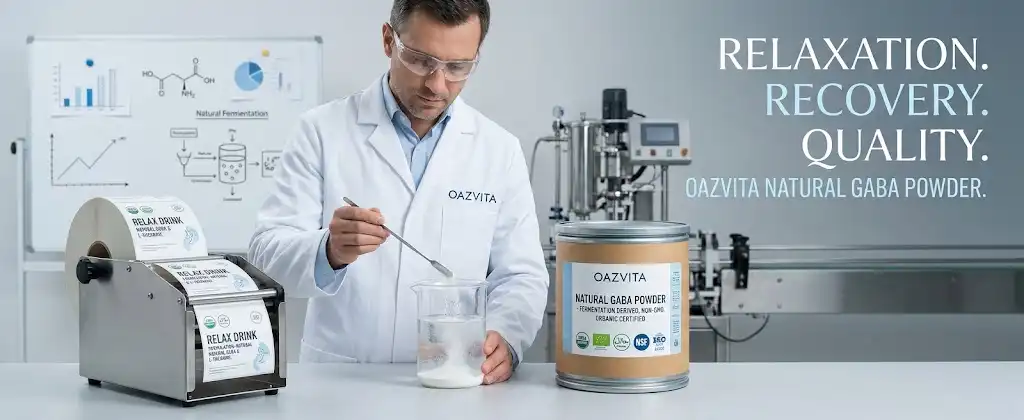
One of the chemicals that is currently receiving the most attention in the nutraceutical and wellness industry is gamma-aminobutyric acid, which is more often referred to as GABA. As an inhibitory neurotransmitter that occurs naturally, it has a role in the regulation of neuronal activity, which in turn promotes a state of mental equilibrium and calmness during sleep. Sleep aids, stress-relief formulae, and sports recovery mixes are all examples of Products that might benefit from the addition of GABA powder, which has become a popular ingredient among brands and manufacturers that source bulk raw materials. This article provides everything B2B buyers need to know before making a wholesale purchase, as well as a breakdown of the primary advantages of GABA, the forms that are available, the suggested dosage, and more.
Understanding GABA and Its Health Benefits
GABA is the primary signal that takes things at a slower pace in the brain. Neurotransmitters that are responsible for making you feel cheerful collaborate with it to maintain your brain's equilibrium. They will be able to create better versions of things if they are aware of how they operate.
How GABA Works in the Body
In both the brain and the spinal cord, GABA has the ability to bind to both GABA-A and GABA-B receptors. Nerve cells fire at a slower rate, which provides you with a sense of calm. During the year 2020, these results were published in the journal Frontiers in Neuroscience. They demonstrate that the activation of this receptor has a direct influence on the way in which individuals experience anxiety, as well as how they sleep and wake up. It may be deduced from this that GABA is a component of mood and relaxation products that has been shown to be effective by scientific research. There is the greatest amount of evidence in the following areas.
Key Physiological Benefits
Help with anxiety and stress alleviation: One hundred milligrams of GABA was shown to reduce the indicators of psychological stress within an hour of being consumed, according to research that included two groups of participants.
Enhancement of sleep: Adults who take GABA supplements have shorter times for the onset of rapid eye movement (REM) sleep and longer periods for the duration of non-REM sleep. GABA reduces signals that cause muscles to become more stimulated, which helps muscles relax after activity. Muscles rest and repair as a result of this chemical. As a result, it might be used in recipes to aid in the healing process after athletic activities. Both fermented foods and foods that are rich in GABA have the potential to assist in reducing systolic blood pressure, which may be beneficial in maintaining management of the condition.
- Research that was conducted in a double-blind fashion (Biofactors, 2019) showed that the consumption of 100 milligrams of GABA resulted in a decrease in psychological stress markers within sixty minutes of consumption.
- GABA supplementation has been linked to a reduction in sleep latency and an improvement in the length of non-REM sleep in adult populations. This represents an increase in the quality of sleep.
- GABA is crucial for sports recovery formulae because it helps to moderate excitatory impulses, which in turn improves post-exercise muscular quiet. This makes GABA an important component of muscle relaxation and recovery.
- Blood pressure regulation: There is some evidence to show that fermented foods and supplements that are loaded with GABA lead to moderate decreases in systolic blood pressure.
Due to the fact that it has these properties, GABA is beneficial in a wide variety of goods, ranging from healthy drinks for the gym to sleep aids.
Natural Sources vs. Supplemental GABA
Kimchi, miso, and tempeh are all examples of foods that contain GABA. These foods are all fermented. On the other hand, not everyone consumes the same quantity of food, and that quantity is insufficient for therapeutic purposes. Different forms of supplements, particularly gamma-aminobutyric acid powder that is produced by fermentation, do not alter the bioactivity or potency of the supplement substance. Manufacturers need this in order to ensure that their products continually function in the same manner.
Exploring GABA Supplement Forms: Powder, Capsules, and Others
You have the option of purchasing a variety of various sorts of GABA tablets. You may benefit from each kind in its own unique manner.
Powder vs. Capsules vs. Other Formats
People have different preferences for GABA powder, capsules, functional drinks, and chewable supplements. It's easy to keep track of stock when products come in capsules because they're already prepared and ready to use. Still, gamma-aminobutyric acid powder is the most common form bought from business to business. It is simple to mix, comes in different amounts, and when bought in bulk, it costs less per unit. Powder is best for manufacturers to start with because it is easy to mix into drinks, sachets, and custom capsule fills.
Bioavailability and Formulation Considerations
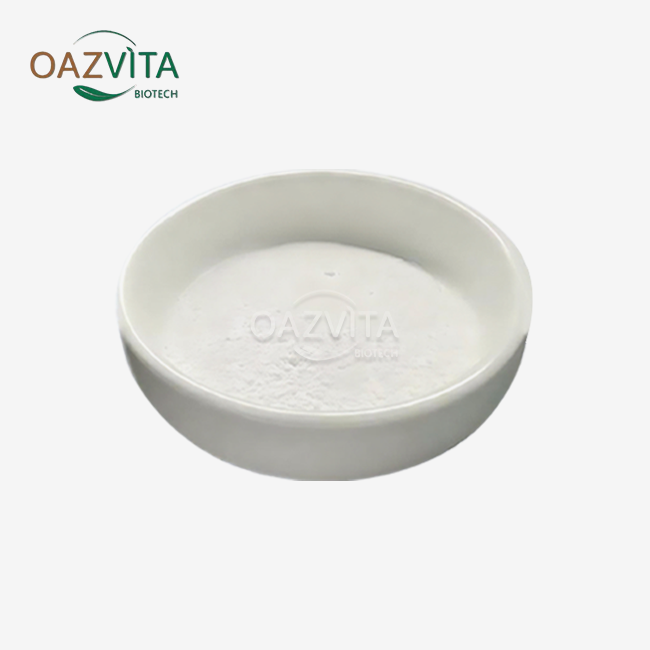
What you need is about 130g of GABA powder mixed with 100mL of water at 25°C. This is the kind of 98% pure powder that OAZVITA suggests (60–80 mesh). If you mix it with water well, it doesn't cloud or settle, so it stays solid in functional drinks and liquid vitamins. Because its pH stays stable between 3.0 and 7.0, it can be mixed with both acidic and neutral drinks. Cheaper materials don't usually have this.
Organic vs. Synthetic GABA
It's clear that the business-to-business market is turning away from manufactured GABA made from pyrrolidone and toward natural GABA made from fermentation. A clean ingredient that meets the Non-GMO and Clean Label standards is made when Lactobacillus brevis or Lactobacillus hilgardii are used for fermentation. This kind of GABA adds impurities like pyrrolidone carboxylic acid (PCA). It's harder for markets in the US and EU to keep up with this. US and EU officials are more likely to let γ-aminobutyric acid powder be sold because it is made through fermentation.
How to Use GABA Powder: Dosage, Administration, and Safety
Accurate dosing is one of the first questions procurement teams and formulators ask when integrating GABA into a product line.
Recommended Dosage Ranges
Clinically studied dosages generally fall within the following ranges, depending on the intended application:
- Anxiety and stress management: 100–200 mg per serving, taken during the day
- Sleep support formulas: 100–300 mg, taken 30–60 minutes before bedtime
- Sports recovery blends: 500–1,000 mg post-exercise, often combined with magnesium or L-theanine
These ranges are consistent with published human studies and common commercial formulation practices. Formulators should verify specific dosing against their target market's regulatory guidelines.
Administration and Synergistic Pairings
GABA powder mixes well with complementary actives. Pairing it with magnesium glycinate can support deeper muscle relaxation, while combining it with melatonin targets both sleep initiation and sleep quality. L-theanine is another effective companion ingredient for daytime calm formulas, as it shares a mild inhibitory mechanism without sedation. These combinations increase a product's perceived value for end consumers and give brands more differentiated positioning.
Safety Profile and Contraindications
GABA is generally well-tolerated in healthy adults at recommended doses. Reported side effects are rare and typically mild, including slight tingling or transient drowsiness at higher doses. Formulators should avoid recommending it for pregnant or nursing individuals without professional guidance, and it should not be combined with pharmaceutical sedatives in consumer-facing products without appropriate labeling. OAZVITA's gaba powder carries COA, MSDS, and TDS documentation for each batch, supporting responsible product safety communication.
Procurement Insights: Buying GABA Powder for B2B Needs
Comparing prices per kilogram is not the only thing you need to do to find the best γ-aminobutyric acid powder. Keeping an eye on quality and making sure there is a steady supply are just as important.
Supplier Certification Standards
Before you buy Gaba powder, check to see if they have the right licenses. Providers should do what you ask if you trust them.
- HACCP and ISO 22000 for food safety management
- NSF certification for U.S. market compliance
- HALAL certification for Middle Eastern and Muslim-majority market access
- EU Organic and USDA Organic certifications for clean-label and organic product lines
- COA, MSDS, and TDS documentation per batch for full traceability
This is all that OAZVITA needs to do. Before you buy, you can get free samples to make sure the quality is good. Each shipment comes with all the paperwork you need.
Pricing, MOQ, and Logistics
To place an order with OAZVITA, you need at least 1 kg, and the company can package its goods in any way that works for the production process. Anywhere in North America, Europe, Asia, or the Middle East can be reached by air, sea, DHL, FedEx, UPS, or airmail post. It will take between one and five working days. In cool, dry places, goods can last for 24 months, so any business can switch them out whenever they need to. It is possible to agree on prices for large orders and long-term supply deals that don't change the 98% HPLC purity measure.
Quality Assurance in the Supply Chain
Ask for batch-specific COAs that confirm test results, moisture content, heavy metal limits, and microbiological safety if your business wants to buy things in bulk. The work that OAZVITA does is based on high-precision testing tools and methods that follow GMP. When someone gets gaba powder to use in their craft, they can expect it to always be perfectly clear and have a mesh size of 60 to 80. Having this makes it easier to blend and package between production runs.
Choosing the Right GABA Formulation for Your Business
Some brands of GABA don't mix well with other brands. Which one you choose will depend on the goods you're selling, the certification requirements, and the kind of customer you want to reach.
Matching GABA to Your Product Category
When you mix pure γ-aminobutyric acid powder with GABA, you can make your own capsules that help you sleep, heal, or relieve stress. You can choose how much to use, which is the best way to do it. Blends of GABA that are already mixed together help cells grow faster, but they may slow down division. If your brand needs to hit the market quickly, OAZVITA can help you find the right ingredients and make the whole thing. Plus, they can help you figure out a formula.
Organic and Clean Label Considerations
As more and more Americans care about their health, brands need to make sure that the ingredients on their lists are certified organic by both the EU and the USDA. Both of these requirements are met by OAZVITA's fermentation-based Gaba powder. In other words, it can be used in "clean label" products without the legal risk that comes with synthetic options.
Building a Long-Term Supplier Relationship
It's important to have a steady supply for more reasons than just logistics. It also protects the image of your brand. Over 98% of the time, OAZVITA gets things done on time. The business sends items to North America, South America, Asia, and Africa. The company moves more than USD 15 million abroad every year and exhibits at trade shows like SupplySide West. It can change to meet the needs of brands that are getting bigger.
Conclusion
GABA can be used to make things that help people sleep, sleep better, deal with stress, and heal. For business-to-business buyers, the best way to source is based on purity, certifications, supply stability, and help with creation. The GABA powder from OAZVITA can be used for all of those things. You can buy it with full proof records and different MOQs. It is 98% pure by HPLC and 60–80 mesh. This is the most important thing to think about when you add a new SKU or make your current line bigger.
Frequently Asked Questions
1. Is GABA powder better than capsules for B2B use?
For manufacturers and formulators, powder is generally more practical. It offers greater dosing flexibility, blends into multiple formats — beverages, sachets, Custom Capsules — and costs less per unit at bulk scale. Capsules are better suited for finished retail products where consumer convenience is the priority.
2. How long does it take for GABA supplements to show effects?
Human studies suggest that stress-related effects may be noticeable within 60 minutes of a single dose. Sleep support benefits are typically observed over several consecutive days of use. Individual response varies based on dose, product format, and baseline health status.
3. Can GABA powder be combined with melatonin or magnesium?
Yes. GABA pairs well with both melatonin and magnesium in sleep and relaxation formulas. These combinations are widely used in commercial supplement lines and are supported by consumer research showing improved perceived sleep quality.
4. What certifications should I look for in a GABA supplier?
Key certifications include HACCP, ISO 22000, NSF, HALAL, USDA Organic, and EU Organic. Batch-specific COA documentation is also essential for regulatory compliance in the U.S. and European markets.
Source GABA Powder from OAZVITA — Your Trusted Manufacturer
The GABA powder that OAZVITA sells is very good, and an HPLC test shows that it is 98% pure. You can wait between 1 and 5 business days, and you can try it out for free. Our account managers have been in charge of making OEM/ODM products, setting high prices, and sending goods all over the world for a long time. Get in touch with us right away to get a free sample or make a deal for a bulk order. You can reach them at info@oazvita.com is the site's location.
References
1. Abdou, A. M., et al. "Relaxation and immunity enhancement effects of γ-Aminobutyric acid (GABA) administration in humans." Biofactors, 2006.
2. Yamatsu, A., et al. "Effect of oral γ-aminobutyric acid (GABA) administration on sleep and its absorption in humans." Food Science and Biotechnology, 2016.
3. Ngo, D. H., & Vo, T. S. "An updated review on pharmaceutical properties of gamma-aminobutyric acid." Molecules, 2019.
4. Hepsomali, P., et al. "Effects of oral gamma-aminobutyric acid (GABA) supplementation on stress and sleep in humans: a review of the existing evidence." Frontiers in Neuroscience, 2020.
5. Diana, M., et al. "Gamma-aminobutyric acid as a bioactive compound in foods: a review." Journal of Functional Foods, 2014.
6. Dhakal, R., Bajpai, V. K., & Baek, K. H. "Production of GABA (γ-aminobutyric acid) by microorganisms: a review." Brazilian Journal of Microbiology, 2012.

Send Inquiry

Related Industry Knowledge
- Boosting GABA: Natural Support for Anxiety and Low Mood This Winter
- Top Glutathione Powder Uses in Healthcare You Should Know
- How Yucca Extract Powder Helps Reduce Ammonia In Livestock Feed
- What is Yucca Extract Powder?
- Quercetin: The Unsung Antioxidant Hero You Should Know About
- Is it safe to take Sodium Copper Chlorophyllin Powder?
- Biotin, Pure 99.7%: The Beauty Vitamin Your Formulations (and Skin) Need
- Why Germany Chooses Our GMP-Grade NMN Powder for R&D Programs?
- The Complete Guide to Pure NAD+ Powder
- What Are the Benefits of Chicken Collagen Peptides for Skin Care?