Is it safe to take DHM every day?
Aug 31, 2026
Daily supplementation has become a cornerstone strategy in health management, particularly for busy professionals navigating demanding lifestyles. Dihydromyricetin Powder (DHM), a natural flavonoid extracted from Ampelopsis grossedentata, has gained significant traction among supplement formulators and wellness brands. This compound addresses modern wellness challenges through its multifaceted biological activity. The question of daily safety becomes paramount when considering long-term formulation strategies and consumer product development. Research indicates that when sourced from reputable suppliers offering 98% HPLC-grade purity, daily DHM consumption within established dosage parameters demonstrates a favorable safety profile. The compound's hepatoprotective mechanisms and antioxidant capabilities position it uniquely in the functional ingredients marketplace, yet procurement professionals must evaluate comprehensive safety data to make informed sourcing decisions.
Understanding Dihydromyricetin Powder and Its Health Benefits
Origins and Biochemical Profile
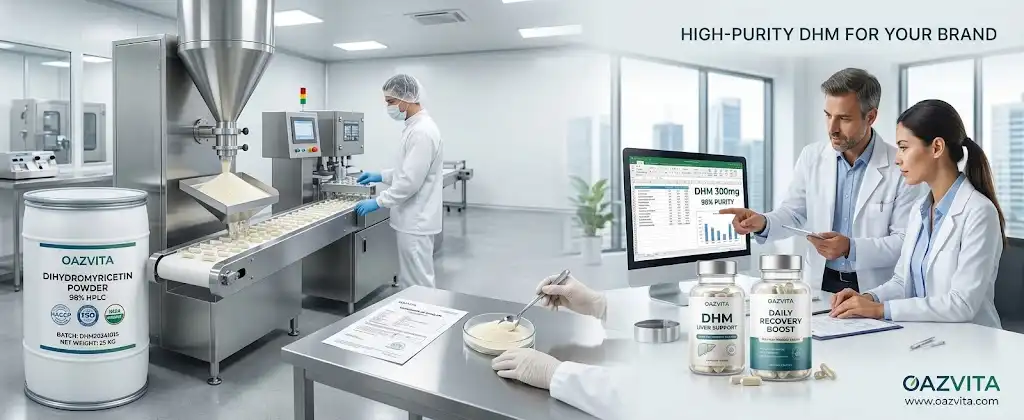
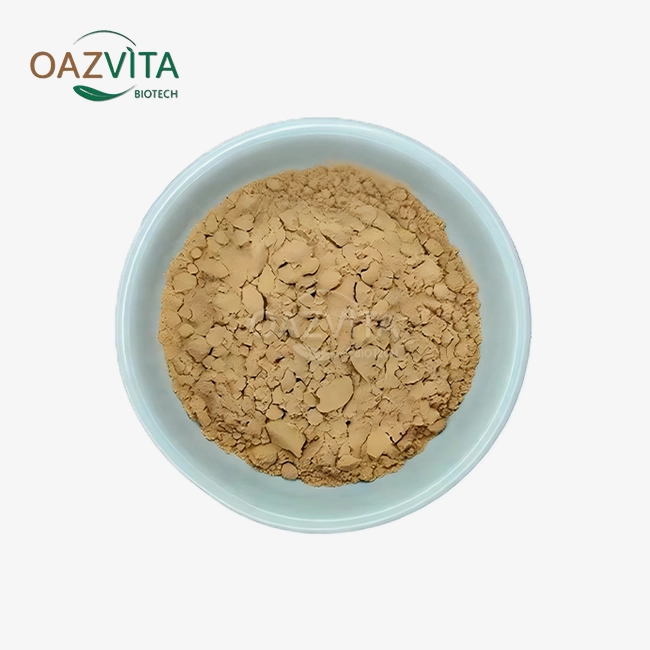
Dihydromyricetin Powder is a complex biological molecule that is chemically known as (2R,3R)-3,5,7-trihydroxy-2-(3,4,5-trihydroxyphenyl)-2,3-dihydrochromen-4-one and has the CAS number 27200-12-0. This flavanol is mostly found in vine tea (Ampelopsis grossedentata), and Asian cultures have used it for hundreds of years as part of traditional health practices. The extraction process creates a crystalline powder that is off-white to white and has a melting point of 245-246°C. This powder is very stable at high temperatures during the manufacturing process. This steadiness is very important for companies that are making hot-fill beverages or goods that need to go through pasteurization processes.
Dihydromyricetin Powder can interact with many biological pathways because of the way its molecules are structured. Its hydroxyl groups make it better at scavenging radicals, and the way it's arranged lets it bind to GABA-A receptors without having the calming effects that synthetic alternatives do. The substance is different from other antioxidants because it can boost the activity of alcohol dehydrogenase (ADH) and acetaldehyde dehydrogenase (ALDH). This gives specific metabolic support.
Core Health Applications
The compound addresses a number of important health issues that are in line with what the market wants right now. Its ability to protect the liver comes from the fact that it speeds up the breakdown of booze while also keeping liver cells safe from oxidative damage. Dihydromyricetin Powder's dual-action mechanism helps brands make recovery supplements because it protects cells and speeds up metabolic processing.
Dihydromyricetin Powder also has anti-inflammatory properties, which is another way it works. The substance stops the production of pro-inflammatory cytokines, which is good for your health in general as well as helping the liver. This wide range of activities lets formulators put Products in a number of different wellness categories, such as daily liver support and overall antioxidant support.
Neuroprotective benefits are becoming more and more important in the fields of sports nutrition and cognitive health. Because Dihydromyricetin Powder interacts with GABAergic systems, it could be used to control stress responses and improve recovery. This would make it useful for more than just relieving hangovers and could lead to performance-based product lines.
Is It Safe to Take DHM Every Day? Analyzing Dosage and Side Effects
Established Dosage Guidelines
Scientific books and real-world application data recommend a daily intake range of 300 to 600 mg for general health purposes. For emergency support situations, higher concentrations of up to 1,200 mg are sometimes used in specialty formulations. These parameters come from both historical use patterns and modern clinical observations. The compound's good pharmacokinetic profile allows either a once-daily or divided-dosing schedule, which lets the formulation be flexible for different product forms.
The best dose recommendations are affected by bioavailability factors. Dihydromyricetin Powder doesn't dissolve well in cold water, but new transport methods like cyclodextrin complexation or micro-encapsulation make it easier for the body to absorb. When brands are making new drinks, they should think about problems with solubility during the recipe development process. They might need to change the dosage amounts to make up for lower bioavailability in some matrices.
Safety Profile and Potential Considerations
Long-term safety tests show that Dihydromyricetin Powder has a high level of comfort when it comes from quality-controlled sources. Because the compound doesn't build up in tissues, there are fewer worries about long-term biological buildup. Regulatory systems in many places have agreed that Dihydromyricetin Powder is safe to use within certain limits, tho the exact classifications change from place to place.
The bitter taste of the compound is more of a problem for formulation than a safety issue. Natural flavonoid structures naturally have bitter tastes, so market goods need technologies that hide those tastes. Professional-grade formulas deal with this by using capsule techniques or combining ingredients in ways that balance the way they taste.
Regulatory and Compliance Framework
Quality sourcing makes sure that international standards are met, such as HACCP, ISO 22000, NSF, and organic certifications from the EU and USDA. These approvals give buying teams peace of mind about how the products are made and how contaminants are screened. To meet the strict requirements for importing into North American and European markets, each batch should go through a full set of tests that look for over 400 types of pesticide residues, heavy metals, and microbes.
Comparing DHM Powder With Other Natural Antioxidants and Liver Support Solutions
Efficacy Against Established Alternatives
There are a number of well-known natural ingredients in the hepatoprotection group. Each works in a different way and has different uses. Milk thistle (silymarin) is still the most well-known plant that helps the liver. It does this mostly by acting as an antioxidant and keeping the membranes stable. Dihydromyricetin Powder stands out by directly improving enzymes, which speeds up the metabolic processing that comes before the need to protect cells.
N-acetylcysteine (NAC) helps glutathione precursors, which fight oxidative stress by making the body's antioxidant system stronger. NAC and Dihydromyricetin Powder both help the liver work, but their different ways of doing this suggest that they might work better together than against each other. When brands want to make liver-supporting formulas that work for everyone, they often mix these ingredients in the right amounts.
Synthetic antioxidants, such as butylated hydroxytoluene (BHT), have consistent levels of activity, but people are becoming less willing to use artificial additives. The "clean label" trend has increased the need for naturally-derived alternatives like Dihydromyricetin Powder that work just as well as or better than synthetic ingredients and satisfy customer tastes for botanical ingredients. According to a study of the market, there are premium marketing possibilities for goods that focus on using natural extraction methods and environmentally friendly sourcing methods.
Quality Distinctions and Sourcing Considerations
The purity grades have a big effect on both how well they work and how consistent the formulation is. Standard industrial grades are between 50% and 98% pure, and pharmaceutical-grade products can reach 98% HPLC-verified content. Higher quality grades cost more, but they have better dose-to-effect ratios and fewer problems with composition caused by inactive ingredients.
The way of extraction affects both the level of purity and the level of longevity. Traditional ways of extracting ethanol produce acceptable levels of purity, but they may leave behind solvents that need to be processed further. Advanced water-based extraction methods meet the needs for organic certification while creating highly pure products, but they usually come with higher costs that have an effect on market prices.
How to Choose the Right DHM Powder Supplier for Your Business Needs
Essential Evaluation Criteria
The choice of supplier has a direct effect on the uniformity of product quality, compliance with regulations, and long-term security of the supply chain. Manufacturing certifications are the basis for judging a seller. HACCP, ISO 22000, and GMP certifications are the minimum standards that should be taken very seriously. In addition to certifications, auditing and third-party verification records show that operations are open and honest.
Protocols for testing tell the difference between premium suppliers and commodity suppliers. Each batch should come with a full Certificate of Analysis (COA) that includes proof of purity through HPLC analysis, screening for heavy metals, testing for pesticide residues, and microbiological safety confirmation. Brands that are making products that need to last longer can have more faith in suppliers that offer real-time batch tracking and faster stability data.
Product creation partnerships can work well when they have access to technical help. Suppliers who offer formulation advice, application suggestions, and troubleshooting help shorten the time it takes to go to market and lower the risks of development. There are different particle sizes available, from normal mesh grades to micronized powders. This makes it easier to come up with new formulas for pills, tablets, and drinks.
Procurement Structures and Commercial Terms
Minimum order quantities (MOQ) for High-Purity Ampelopsin Powder vary a lot from one supplier to the next, ranging from 1 kg for samples to business deals for multiple tons. New brands do better when their suppliers have flexible MOQ structures that allow for testing the market before ramping up to full production volumes. Pricing tiers based on volume should make it clear that bigger commitments are more cost-effective while keeping entry-level prices competitive.
Reliability in lead times is important for keeping to production plans and adapting to changes in yearly demand. Top-tier providers keep enough product on hand to fulfill standard orders in one to five days, and they are open about any delays that might happen. Logistics options like air freight, sea freight, and partnerships with fast courier services (DHL, FedEx, UPS) allow for flexible routes based on time constraints and cost-cutting goals.
Because you can get free samples, you can do a preliminary review before committing to large amounts. This shows that the supplier trusts the quality of the product and lets brands test the products themselves to see if they work with existing formulation platforms. When you send a sample, you should include all the paperwork that goes with commercial-scale material specs.
Best Practices for Using DHM Powder in Daily Regimens: Recommendations for B2B Clients
Formulation Development Strategies
When it comes to effectively integrating a product, the first step is to choose a dosage form that is suitable for the requirements of the target market as well as the marketing strategy. As a result of their greater stability and the ability to precisely manage dosage, capsules are an excellent choice for daily supplement regimens. However, due to the fact that it has a tendency to absorb water, the compound must be manufactured in an atmosphere that is humid. The crystalline form of the compound makes it simple to include in encapsulating equipment.
The ability of powders that are intended to be used in sports nutrition to dissolve quickly is advantageous when the powders are treated appropriately. Technologies such as micro-encapsulation or cyclodextrin complexation make it simpler for cold water to combine with the components, which is an essential feature for shake-and-consume applications. In the process of building a flavour system, it is essential to maintain clean-label ingredient claims while concealing the inherent bitterness of dihydromyricetin powder.
The bitter taste of dihydromyricetin powder, along with the fact that it does not dissolve very well in cold water, might make it challenging to prepare for use in beverages. Due to the fact that the compound is thermally stable, hot-fill techniques are able to use it throughout the manufacturing process without encountering any concerns about its degradation. Other methods that may be used to produce stable suspensions in ready-to-drink forms while simultaneously enhancing bioavailability profiles include the utilisation of nano-emulsion technology or liposomal delivery systems.
Storage and Stability Management
Following the right storage rules will keep ingredients active throughout the supply chain and extend the shelf life of final products. To keep Dihydromyricetin Powder from absorbing water and possibly caking, it needs to be stored in a cool, dry place with a relative humidity below 60%. Photodegradation can be avoided by putting products in amber containers or foil pouches that block light. This is especially important for items that will be shipped over a long period of time.
Accelerated stability testing shows that Dihydromyricetin Powder stays 98% effective for 24 months in controlled settings, which is the normal shelf life for the supplement business. Changes in temperature during shipping or storage can speed up the breakdown process. This is why climate-controlled logistics are especially important for markets where seasonal changes are big. To keep products as fresh as possible, brands should use first-in, first-out inventory control.
Regulatory Compliance and Market Authorization
Labeling and manufacturing tactics are affected by the rules that apply to a certain market. Under the right use conditions, the compound is GRAS (Generally Recognized as Safe) in the United States. However, claim justification standards vary by product placement. In order to sell food in European markets, you may need to follow Novel Foods regulations or show proof of traditional use, depending on the amount of concentration and how people have traditionally eaten.
For organic certification pathways to work, the ingredients must come from certified Ampelopsis grossedentata farms, and there must be full documentation of the chain of custody during the extraction and formulation processes. Both the USDA Organic and EU Organic frameworks allow Dihydromyricetin Powder to be used if it comes from the right source. This lets organic product lines have a higher price point. Halal and Kosher approvals help brands that are trying to reach specific groups of people get into more markets.
Conclusion
In conclusion, if the right purity grades and dose factors are used, taking Dihydromyricetin Powder every day can be a good way to support your health over time. The compound has many biological activities that help with modern health problems through natural ways that have been backed by both old and new studies. When purchasing, professionals look at Dihydromyricetin Powder suppliers, they should put a high priority on having complete quality documentation, flexible business terms, and the ability to provide technical support. Because the ingredient can be used in a variety of dosage types and health categories, it is a good addition to a wide range of product lines. To make implementation work, you need to pay attention to formulation details, stability issues, and market-specific regulatory systems that make sure product creation is legal.
Frequently Asked Questions About Daily DHM Use
1. What makes high-purity DHM preferable to standard grades?
High-purity grades with 98% HPLC-verified content provide stable dose-to-effect ratios, which are necessary for making sure that the product works the same way every time. Lower-purity materials have different amounts of co-extracted compounds that can cause differences in flavor, how they dissolve, and their biological activity from batch to batch. Premium purity grades make manufacturing easier and allow for more compact dosage forms. Smaller pill sizes or lower serving amounts make it easier for people to follow the instructions.
2. Can DHM interact with other supplement ingredients?
It has been shown that Dihydromyricetin Powder works well with most supplement ingredients, such as vitamins, minerals, amino acids, and plant products. When combined with B-vitamin complexes, they help metabolic processes, and when combined with antioxidants like vitamin C, they make it easier to get rid of free radicals. When formulators mix Dihydromyricetin Powder with ingredients that are sensitive to small amounts of moisture or when they make complicated matrices with many plant extracts, they should test the stability of the mixture.
3. How does natural extraction compare to synthetic production?
The compound's native stereochemistry and co-factor profile are maintained when it is extracted naturally from Ampelopsis grossedentata. This could improve biological activity through synergistic phytochemical interactions. Natural ingredients are strongly preferred by consumers, which supports premium price tactics and brand identity. Even tho synthetic production methods are technically possible, they have a hard time finding acceptance in the market and usually don't save money because natural extraction technologies are so good.
Partner With OAZVITA for Premium Dihydromyricetin Powder Supply
OAZVITA is a reliable company that makes Dihydromyricetin Powder. They are dedicated to helping you reach your product development goals by providing you with high-quality raw materials and full technical support. The high standards that North American and European markets require are met by our 98% HPLC-grade Dihydromyricetin Powder that comes from approved sources of Ampelopsis grossedentata. We keep up with all the certifications that matter, like HACCP, ISO 22000, NSF, HALAL, and both EU and USDA Organic credentials. This way, you can be sure that your formulas meet all the rules around the world.
There are flexible business terms for brands at all stages of their growth, with minimum sales starting at just 1 kg and volume prices that can be adjusted to meet established production needs. Free samples that come with full scientific paperwork let you make an informed decision before committing. Our dedicated technical team helps with formulation, gives advice on applications, and responds quickly to development problems. This cuts down on the time it takes to get your product to market and improves its performance. We can support your production schedules reliably and consistently with lead times of 1–5 working days and shipping around the world via DHL, FedEx, and other express carriers. Get in touch with our team at info@oazvita.com to talk about your needs and find out how our Dihydromyricetin Powder can help your business.
References
1. Chen, S., Zhao, X., Wan, J., et al. "Protective effects of dihydromyricetin on alcohol-induced hepatotoxicity: biochemical and histological evaluations." Journal of Ethnopharmacology, 2015, 162: 138-145.
2. Liang, J., Lopez-Valdez, J.A., Martinez-Coria, H., et al. "Dihydromyricetin ameliorates behavioral deficits and reverses neuropathology of transgenic mouse models of Alzheimer's disease." Neurochemical Research, 2014, 39(8): 1487-1493.
3. Shen, Y., Lindemeyer, A.K., Gonzalez, C., et al. "Dihydromyricetin as a novel anti-alcohol intoxication medication." Journal of Neuroscience, 2012, 32(1): 390-401.
4. Wang, L., Wu, Y., Zhou, J., et al. "Dihydromyricetin improves glucose and lipid metabolism in diet-induced obese mice through AMPK activation." Phytotherapy Research, 2018, 32(6): 1097-1104.
5. Kou, X., Liu, X., Chen, X., et al. "Ampelopsin attenuates brain aging of D-gal-induced rats through miR-34a-mediated SIRT1/mTOR signal pathway." Oncotarget, 2016, 7(46): 74484-74495.
6. FDA GRAS Notice Inventory. "Dihydromyricetin: Safety evaluation and regulatory status in functional food applications." Center for Food Safety and Applied Nutrition, 2019.

Send Inquiry

Related Industry Knowledge
- How Yucca Extract Powder Helps Reduce Ammonia In Livestock Feed
- 9 Potential Health Benefits of Apigenin
- Hericium Erinaceus Extract Powder: Beginner's Guide & Benefits
- When should I take shilajit drops?
- Can biotin improve blood sugar?
- Top 7 Benefits of Using Pure Bovine Collagen Peptides in Skincare
- China OEM Production of Pure Ashwagandha Capsules with Scalable Supply Capacity
- Best creatine monohydrate powder trends: vegan, keto-friendly, additive-free
- TUDCA Powder Documentation Standards for Korea’s Pharma Sector
- Fish Collagen Peptides Driving Functional Food Growth in Australia