Rhodiola Rosea: How to Take It for Best Results
Sep 14, 2026
Knowing how to take Rhodiola Rosea correctly separates a mediocre product from a market-leading one. For supplement brands, sports nutrition companies, and functional food manufacturers, the active compounds in organic rhodiola rosea extract powder—rosavins and salidroside—must be delivered at precise concentrations and in the right format to deliver consistent, measurable results. This guide breaks down dosing science, formulation choices, sourcing criteria, and market opportunities so you can make smarter procurement and product development decisions.
Understanding Organic Rhodiola Rosea Extract Powder
What Makes Organic Extraction Different
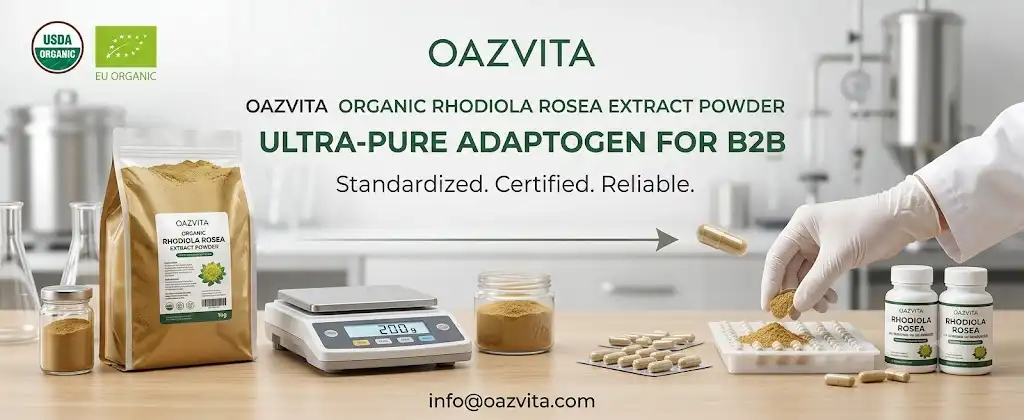
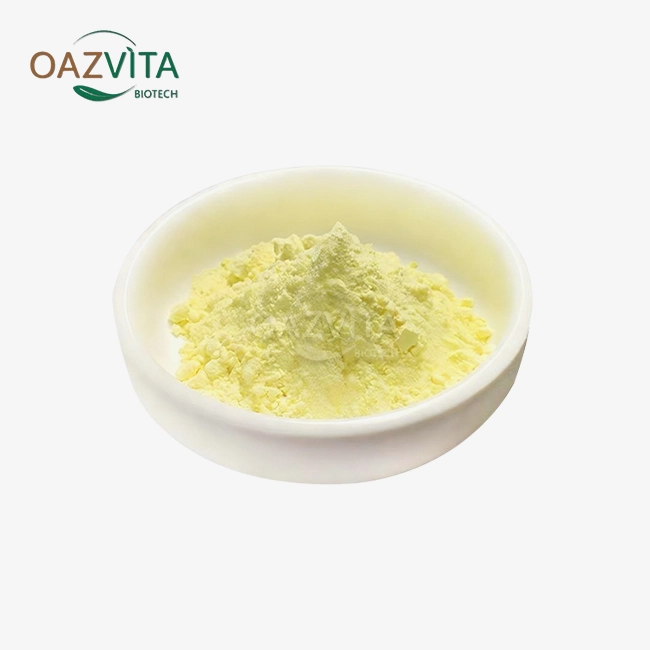
There are variations in the efficacy of each Rhodiola Rosea product. Organic Rhodiola Rosea Extract Powder is obtained from Rhodiola rosea L. stems and rhizomes that were cultivated in accordance with the national organic production guidelines of the United States of America and the European Union. This indicates that there are no chemical solvents or remnants of illegal pesticides, which is a significant differentiation when it comes to marketing high-end supplement Products.
The manner in which the separation is carried out is of critical importance. Using ethanol and water to extract the substance ensures that the active components are preserved and satisfies the "clean label" regulations. Solvent residues may make it difficult to comply with import regulations in the European Union and the United States markets, especially when compared to standard extracts.
Standardization: Why 3% Rosavins vs. 5% Rosavins Changes Everything
It has been determined via HPLC testing that the Organic Rhodiola Rosea Extract Powder offered by OAZVITA is standardized to include a minimum of 3.0% Rosavins and 1.0% Salidroside. Rosavin, rosin, and rosarin are the three cinnamoyl glycosides that are exclusive to Rhodiola rosea. Rosavins are assembled from these three cinnamoyl glycosides. Because they are not present in Rhodiola crenulata, which is a more affordable species, high-performance thin-layer chromatography (HPTLC) is the only method that can be used to determine the species.
In high-end nootropic or stress-relieving pills intended for clients who are concerned about their health, higher concentrations of rosavin (five percent or more) are effective. Blends that are priced competitively, sports recovery powders, and functional beverages are all good candidates for a standardization of three percent. When procurement teams are aware of this range, they are better able to match the specifications of the ingredients to the location of the goods before placing significant orders.
How to Take Rhodiola Rosea Extract Powder for Best Results
Dosage, Timing, and Format Considerations
According to clinical studies, the daily doses that work best are always between 200 mg and 600 mg of organic rhodiola rosea extract powder. Lower amounts (200–300 mg) are good for light stress adaptation and mental focus. Higher amounts (400–600 mg) are in line with plans for physical healing and endurance.
Time is just as important as dose. Morning administration—ideally 30 minutes before you do something active—allows the extract to work its adaptogenic and stimulating properties without getting in the way of your evening rest. This is something that the people who make pre-workout blends or focus pills should think about when they write the label directions.
Here are the main delivery types and how they apply to business-to-business:
- Capsules and softgels offer the best for the customer. With a bulk density of 0.35–0.65 g/ml, OAZVITA's powder has particles that are 95% pass-through 80 mesh. This makes sure that the capsule fill weight stays the same during sealing.
- Tablets benefit from the extract's high thermal stability because it can handle compression forces and pasteurization without losing any of its rosavins or salidroside.
- Powder blends and functional beverages require water-soluble types. OAZVITA has water-soluble, micronized variants that are made for RTD (ready-to-drink) uses where sedimentation needs to be avoided.
These file choices really give product creators a lot of freedom. When launching a functional energy shot or a line of nootropic capsules, it is important to match the extract grade to the delivery system. If you don't, you will have to pay a lot of money to redo the formula later on.
Stacking with Complementary Ingredients
Organic Rhodiola Rosea Extract Powder works well with magnesium and B vitamins in stress-relieving products because they all support neurotransmitters (serotonin and dopamine) and change the HPA axis. When mixed with EAAs or creatine in sports nutrition mixes, it can improve endurance positioning. Remember that mixing stimulant-type ingredients with rhodiola might make you more alert. Formulation teams should test the blend's fit before putting it on the market.
Benefits and Risks of Using Organic Rhodiola Rosea Extract Powder
Evidence-Backed Benefits
Organic Rhodiola Rosea Extract Powder is different from single-pathway plants because it has two adaptogenic mechanisms. It controls the HPA axis to change cortisol levels and speeds up the dopamine and serotonin pathways at the same time. Published studies on humans show that this compound improves brain function when tired, lowers the feeling of exertion during exercise, and increases oxygen use at high altitudes or when oxygen levels are low.
The organic certification layer makes the product more valuable in the business world. Wellness brands in North America and Europe need ingredients that are certified as both USDA Organic and EU Organic more and more. OAZVITA's extract has all of these certifications, plus HACCP, ISO 22000, NSF, and HALAL.
Safety Profile and Quality Controls
When it comes to B2B quality, pollution risk is the main issue. The following safety standards are met by OAZVITA's batch testing:
- Heavy metals: Hg < 0.1 ppm, As < 1.0 ppm, Cd < 1.0 ppm, and Pb < 3.0 ppm
- Pesticide residues: less than 0.01 mg/kg for all substances that aren't allowed
- Microbiology: The total plate count was less than 10,000 cfu/g, and E. coli, Salmonella, and Staphylococcus were not present.
- PAH4 (sum): < 10 ppb
These requirements are in line with the USP/EP pharmacopeia and EU import rules. This lowers the regulatory risk for companies that sell medicines around the world.
You can't say enough good things about how easy it is to track down wholesale golden root powder, Organic Rhodiola Rosea Extract Powder. Each batch has a Transaction Certificate (TC) that connects the lot number to the certified organic farm where the food came from. This is important paperwork for brand audits and getting goods into the country.
Choosing the Right Organic Rhodiola Rosea Extract Powder Supplier
Certification, Traceability, and Testing Requirements
Managers in charge of buying Organic Rhodiola Rosea Extract Powder should make sure that any seller has real, independent organic certificates. Make sure that every COA has full contaminant panels, HPTLC species identification, and HPLC assay results. Compliance risk is high for suppliers who can't provide Transaction Certificates for organic lots.
From the farm to the finished product, OAZVITA keeps full records and, as usual, gives COA, MSDS, and TDS paperwork for every batch. You can get free samples to make sure of the quality before placing a large order, and the lead time is between 1 and 5 working days after the order is confirmed.
MOQ, Logistics, and Pricing Structure
The smallest amount you can order from OAZVITA is 1 kg, which is good for pilot runs, testing new products, and launching small private label lines. Large orders can be packed in a variety of ways to fit your needs. You can ship by air, sea, DHL, FedEx, UPS, or airmail. If you store it somewhere cool and dry, Organic Rhodiola Rosea Extract Powder will last for 24 months.
A 99%+ on-time delivery rate and a yearly export volume of more than USD 15 million show the operating reliability that long-term supply partners need.
Maximizing ROI: Integrating Organic Rhodiola Rosea Extract Powder into Your Product Line
The global adaptogen market is growing very quickly because people want natural ways to deal with stress, improve their brainpower, and get more energy. The strongest premium positioning appetite is in North America and Europe, where higher retail prices are required for organic certification and clean labels.
Private label and OEM/ODM paths make it easy to get started. Brands that don't have their own production facilities can work with OAZVITA's formulation team to make capsules, tablets, powder, or gummies using standardized Organic Rhodiola Rosea Extract Powder. Customized formulas can include botanicals, vitamins, or amino acids that work well together to make unique SKUs that target specific wellness areas, like mental health, physical healing, or stress resistance.
Full-spectrum rhodiola extracts that keep the whole phytochemical profile are becoming more popular, along with standardized single-marker extracts. As rules on importing goods around the world get stricter, brands that set up certified organic supply chains now will have an advantage when it comes to sourcing. ESG-aligned brand stories also connect with sustainable wild-harvest and approved organic farming programs, which make them stand out even more in the market.
Conclusion
Whether a product really works depends on how it is taken: in the right way, at the right amount, in the right form, and from a reliable source. The foundation is getting a standard, certified organic extract from a species that has been proven to be real and pure for supplement brands, sports nutrition companies, functional food manufacturers, and private label buyers. The organic rhodiola rosea extract powder from OAZVITA is standardized to contain at least 3% rosavins and at least 1% salidroside. It has been certified by the USDA, the EU, ISO 22000, HACCP, and NSF, and it gives major product lines the traceability and stability they need.
FAQ
1. What is the recommended daily dosage for stress-relief formulas?
For stress adaptation, 200–400 mg per day of Organic Rhodiola Rosea Extract Powder (3% rosavins / 1% salidroside) has been shown to work in clinical trials. Formulas that focus on efficiency use amounts of up to 600 mg. Formulation teams should put dosage information on labels based on what they want the end user to get out of it.
2. Can Rhodiola rosea extract be combined with other adaptogens?
Yes. It works well with magnesium glycinate, ashwagandha, and B vitamins in pills for stress relief. It is common in sports nutrition to stack with EAAs. Before going into industrial production, make sure that the products are compatible by testing them on a bench to check the results for taste and stability.
3. How do I confirm species authenticity from a supplier?
Need HPTLC identification to show that rosavins (rosavin, rosarin, and rosin) are present. Rhodiola crenulata doesn't have any rosavins at all. A real COA from OAZVITA proves the presence of both rosavin and salidroside with HPLC quantification results.
4. Is the powder suitable for beverage applications?
Standard grades can dissolve in water to some extent. OAZVITA has a water-soluble grade that is micronized and carrier-assisted. It is made especially for RTD drinks and powdered beverage mixes, so there are no problems with sedimentation.
Partner with OAZVITA — Organic Rhodiola Rosea Extract Powder Supplier
Organic rhodiola rosea extract powder that is certified by OAZVITA is sold by brands, original equipment manufacturers, and international distributors in North America, Europe, and Asia. Get a free price today for a sample or a lot of items. Our team can help you with the whole formulation process. We offer customizable MOQs starting at 1 kg and wait times of 1–5 business days. You can email us at info@oazvita.com to see our full catalog of Botanical Extracts.
References
1. American Botanical Council. (2022). Rhodiola rosea Monograph. HerbalGram, Issue 96.
2. Hung, S. K., Perry, R., & Ernst, E. (2011). The effectiveness and efficacy of Rhodiola rosea L.: A systematic review of randomized clinical trials. Phytomedicine, 18(4), 235–244.
3. Panossian, A., & Wikman, G. (2010). Effects of adaptogens on the central nervous system and the molecular mechanisms associated with their stress-protective activity. Pharmaceuticals, 3(1), 188–224.
4. De Bock, K., Eijnde, B. O., Ramaekers, M., & Hespel, P. (2004). Acute Rhodiola rosea intake can improve endurance exercise performance. International Journal of Sport Nutrition and Exercise Metabolism, 14(3), 298–307.
5. European Medicines Agency. (2012). Assessment Report on Rhodiola rosea L., Rhizoma et Radix. EMA/HMPC/232100/2011.
6. Grand View Research. (2023). Adaptogens Market Size, Share & Trends Analysis Report, 2023–2030.

Send Inquiry

Related Industry Knowledge
- Understanding Organic Valerian Extract Powder
- What is Soybean Natto Powder good for?
- Pure Quercetin Powder | Everything about effect, intake & dosage
- How To Use Cacao Powder?
- Complete Guide to Choosing the Best OEM/ODM Pure MCT Powder for Supplements
- Pure Inositol Powder vs Myo-Inositol: Key Differences Explained
- Exploring the Uses of Chicken Collagen Peptides in Beauty—From Skincare to Supplements
- What makes the best creatine monohydrate powder effective?
- Multi-Region Supply Strategies for NAD+ Ingredients in Asia
- What Is Glutathione Powder and How Does It Work in Skincare?