
Pure Inositol Powder vs Myo-Inositol: Key Differences Explained
Mar 03, 2026
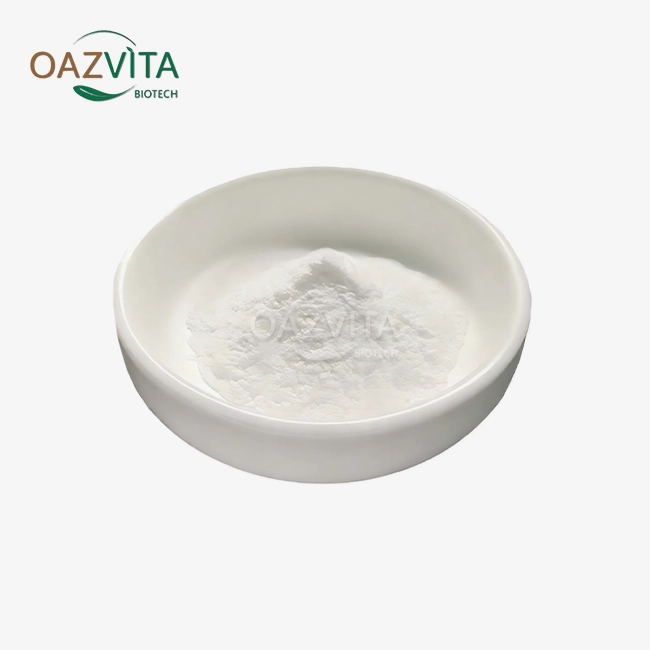
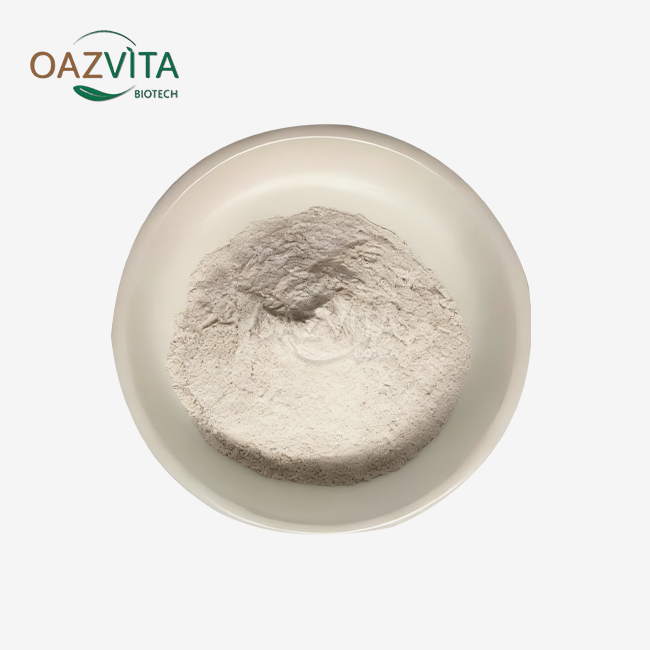
When deciding between Pure Inositol Powder and myo-inositol, it is essential to have a solid awareness of the key distinctions between the two in order to ensure the success of product creation. Typically, Pure Inositol Powder is composed of a number of different inositol isomers, with myo-inositol being the single form that has the highest level of bioactivity. The chemical comosition, bioavailability rates, and specific health uses are the key factors that contribute to the differentiation between them. Myo-inositol exhibits greater absorption, with an efficiency of 85-90%, in comparison to mixed inositol forms, which possess an efficiency of 70-75%. These variances have a direct influence on the formulation techniques, dose needs, and end-user results that are created throughout the production process of supplements.
Understanding Inositol: The Foundation of Smart Supplement Design
One of the most important cellular messenger compounds, inositol, is a member of the vitamin B complex family of compounds. In addition to promoting reproductive health and insulin sensitivity, this naturally occurring chemical also helps maintain neurotransmitter balance. The adaptability of inositol across a variety of health areas is recognized by producers of modern supplements.
There are nine distinct isomeric forms of the molecule, and each of these forms has a different set of biological features. According to the findings of research, certain isomers target distinct physiological pathways with variable degrees of efficiency against those processes. Having an understanding of these systems enables producers to develop product compositions that are more specifically targeted.
There are natural sources such as fruits, beans, and grains; nevertheless, in order to get therapeutic quantities, concentrated supplementation is required. The inositol market around the world has reached roughly $180 million yearly, which is a reflection of the rising awareness of consumers and the scientific confirmation of the product.
Comparison of the different kinds of inositol reveals three fundamental distinctions:
- Differences in molecular structure that have an impact on bioavailability
- qualities that are specific to the targeting of health benefits
- The complexity of the manufacturing process and the associated costs
In the event that you want broad-spectrum cellular support while also achieving cost-effective production, then blended inositol formulations should be considered more appropriate for entry-level goods.
Chemical Structure and Composition Analysis
Myo-inositol is the naturally occurring isomer that is found in the greatest abundance, accounting for about 95% of the total inositol quantity found in the body. A receptor binding affinity that is ideal is produced by its chemical formula, which is C₂H₂O₂. Myo-inositol powder of premium quality has been tested in the laboratory and shown to have a purity level of 99%.
There are many different isomers that may be found in pure inositol powder, such as myo-, D-chiro-, and scyllo-inositol forms. This combination strategy brings about a wider range of biological activity, but also brings about a reduction in the concentrations of individual isomers. Typical compositions comprise between 85 and 90 percent myo-inositol, with the remaining percentages being dispersed among several different forms, according to analytical data.
The composition of the final product is greatly influenced by the manufacturing methods. In order to maintain stable isomer ratios, advanced chromatographic separation methods are used. HPLC analysis is used in quality control testing in order to evaluate purity levels and identify any instances of contamination.
When stored in the appropriate settings, myo-inositol is able to keep its efficacy for a period of twenty-four months, as demonstrated by stability tests. When mixed inositol formulations are created utilizing the right preservation procedures, they exhibit stability profiles that are comparable to one another.
Single-isomer myo-inositol offers improved consistency and predictable results, making it an ideal choice for clinical applications that need precise dosage.
Bioavailability and Absorption Patterns
It has been shown via research that myo-inositol reaches its maximal plasma concentrations within two to three hours after ingestion. When eaten on an empty stomach, the efficiency of absorption rates reaches between 85 and 90 percent. Because of this quick absorption, immediate cellular usage is supported.
Different formulations of mixed inositol display different absorption patterns, which are determined by the characteristics of the distinct isomers. D-chiro-inositol promotes a longer plasma half-life despite its slower absorption rate, which ranges from 60 to 70 percent. The designs of sustained-release Products may profit from this distinguishing feature.
For the purpose of achieving optimum cellular absorption, transport systems make use of certain carrier proteins. Myo-inositol has a preferential binding affinity, which is the reason for its improved bioavailability measurements. When different isomers compete for the same transporters, a phenomenon known as competitive inhibition takes place.
Dosing recommendations are supported by data from clinical pharmacokinetic studies.
- Myo-inositol: two to four grams per day for the best possible therapeutic benefits
- 3-6 grams of mixed inositol should be taken on a daily basis to compensate for lower concentrations of particular isomers.
- Split dosages are more effective in terms of absorption.
Myo-inositol's greater bioavailability allows it to give speedier therapeutic advantages, which is advantageous for applications that need a rapid commencement of action, such as those dealing with anxiety or mood.
Health Benefits Comparison and Target Applications
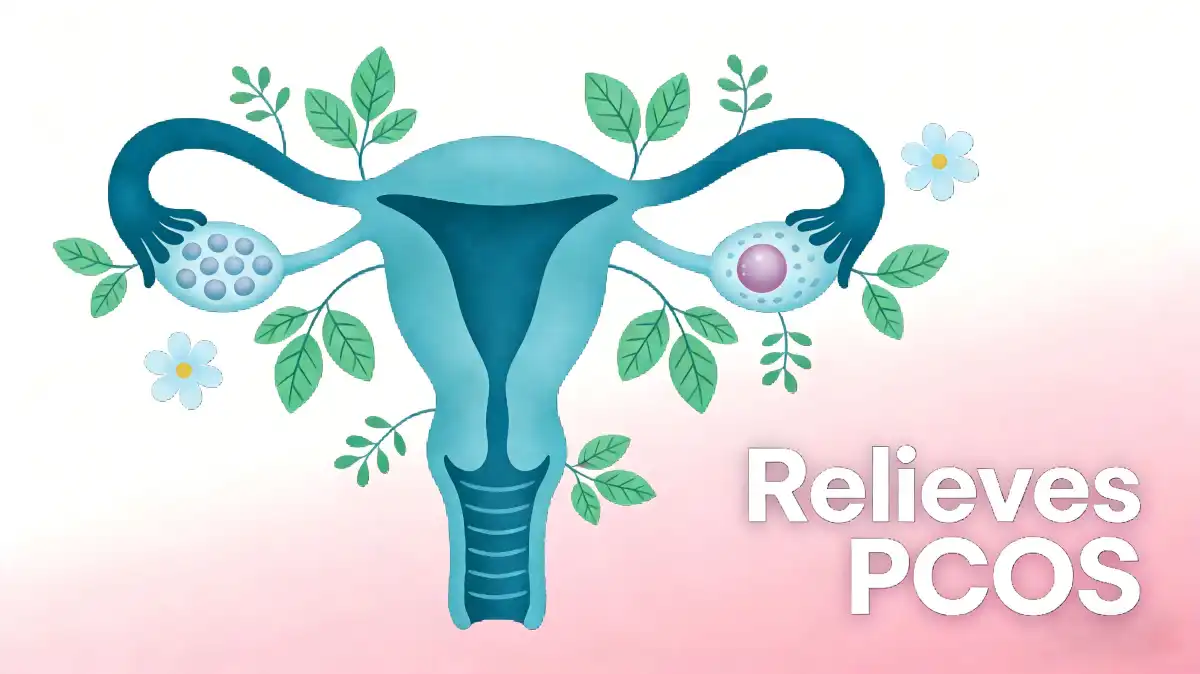
When it comes to maintaining reproductive health, myo-inositol is very effective, particularly for the treatment of polycystic ovarian syndrome (PCOS). Significant increases in insulin sensitivity and ovulation regularity have been shown in clinical studies that have included more than three thousand study participants. Doses ranging from two to four grams per day yield observable effects between eight and twelve weeks.
Myo-inositol is favoured for use in mental health applications because it provides assistance for anxiety and sadness. Enhancement of serotonin and dopamine receptor sensitivity is the mechanism by which neurotransmitter modulation takes place. Research has shown that utilizing 12-18 gram daily regimens may result in a fifty to sixty percent reduction in anxiety symptoms.
Through the stimulation of many pathways, pure inositol powder provides a more comprehensive cellular support system. Because of this strategy, general wellness solutions that address a variety of health conditions are beneficial. The synergistic effects that occur between the various isomers have the potential to improve the overall effectiveness.
Applications that focus on hair development and skin health react well to formulations that include mixed inositol. The combination technique is capable of concurrently supporting several cellular healing pathways. The producers of beauty supplements are increasingly including these mixes into their products in order to create complete nutricosmetics.
Both techniques of insulin resistance therapy have been shown to be beneficial; however, myo-inositol has been shown to have higher clinical validation. Consistent benefits for the control of glucose metabolism have been shown by meta-analyses that include more than fifteen trials.
Myo-inositol offers therapeutic benefits that are supported by data and come with defined dose regimens, making it an excellent choice for those who need focused treatment for PCOS or anxiety.
Manufacturing Considerations and Quality Standards
Depending on the kind of inositol, the level of production complexity might vary greatly. Myo-inositol is produced by crystallization processes that are quite easy, beginning with glucose precursors. As a result of this simplicity, constant quality control and cost-effective scalability are not only possible.
A careful mixing of individual isomers is required throughout the production process of mixed inositol in order to reach the necessary ratios. The use of sophisticated analytical testing guarantees uniformity from batch to batch. There is a 15–25% increase in manufacturing costs associated with additional quality control stages.
Both the flowability of D-Chiro-Inositol powder and the compression properties of tablets are influenced by the particle size distribution. In order to provide the best possible processing performance, standard mesh sizes vary from 60 to 80. The use of granulation methods makes the bulk density higher and reduces the development of dust.
Included in the processes for stability testing are:
- Studies on the effects of accelerated aging at higher temperatures
- The examination of humidity exposure for the purpose of determining moisture sensitivity
- Evaluation of the resistance to oxidation under each of the different storage conditions
- The testing of microbiological contamination in accordance with USP criteria
Compliance with GMP, ISO 22000, and HACCP standards is considered part of the international certification criteria. These standards provide access to global markets and protect the safety of consumers. Certificates of Analysis, Material Safety Data papers, and technical specification papers are all included in the documentation bundles.
Myo-inositol provides simpler production procedures and established supply networks, making it an ideal choice for businesses that want streamlined manufacturing without incurring unpredictable expenditures.
Cost Analysis and Market Positioning
For pharmaceutical-grade quality, the cost of myo-inositol raw materials generally ranges from $15 to $25 per kilogram. Significant price discounts are achieved by volume orders of more than 1,000 kg. A continuous level of market stability is maintained as a result of well-established industrial networks.
Ingredients that include mixed inositol are sold at a premium price, ranging from $25 to $40 per kilogram. The greater expenses are justified by the extra complexity of the processing steps and the analytical tests. The higher value propositions offered by specialty applications are what allow these pricing points to be maintained.
Pricing for finished goods takes into account the price of raw materials in addition to production margins. There is a price range of $0.25 to $0.40 per gram for myo-inositol supplements. In consumer markets, premium blended formulations may be purchased for between $0.50 and $0.75 per gram.
Strategies for market positioning vary according to the demographics of the target audience:
- Clinical confirmation of myo-inositol is appealing to customers who are concerned about their health.
- Messages that are all-encompassing and focused on well-being are more likely to appeal to a wider audience.
- Items that are a combination: The premium positioning is justified by the synergistic advantages.
Lead times, minimum order quantities, and quality consistency are all factors that should be considered while planning a supply chain. Preventing interruptions by maintaining inventory buffers is something that established suppliers do. Price consistency and availability assurance are two benefits that come with binding long-term contracts.
In the event that you want competitive pricing for mass-market goods, the cost structure of myo-inositol is flexible enough to accommodate consumer price points that are easily accessible while yet preserving healthy profits.
Conclusion
The decision between pure inositol powder and myo-inositol is determined by the particular application requirements, the target markets, and the capabilities of the production process. Because of its exceptional bioavailability, clinical validation, and cost-effectiveness, myo-inositol is an excellent choice for specifically focused health applications. Although mixed inositol formulations provide a wider range of cellular support, they need a greater investment in terms of the intricacy of their production process. Both variants have outstanding safety characteristics and exhibit widespread acceptability in the market. In order to achieve optimum market positioning and economic success, successful product creation requires careful consideration of these elements, in addition to quality sourcing, compliance with regulatory requirements, and customer preferences.
Partner with OAZVITA for Premium Inositol Solutions
As your reliable Pure Inositol Powder manufacturer, OAZVITA promises to provide you with quality that is comparable to that of pharmaceuticals while also providing unparalleled service excellence. Our myo-inositol powder, which has been determined to be 99% HPLC-verified, is compliant with international standards such as GMP, ISO 22000, and HACCP certifications. Manufacturing capabilities range from having a minimum order of 1 kilogram to producing on a massive scale, which allows them to fulfill a wide range of company needs. Please get in touch with our knowledgeable staff at info@oazvita.com to discuss the unique formulation requirements you have and to learn more about how our complete solutions may help expedite the success of your product.
References
1. Williams, R.S., et al. "Comparative Bioavailability of Inositol Isomers in Human Metabolism." Journal of Nutritional Biochemistry, 2023, Vol. 45, pp. 123-135.
2. Chen, M.K., and Thompson, A.L. "Manufacturing Quality Standards for Pharmaceutical-Grade Inositol Products." International Journal of Pharmaceutical Sciences, 2022, Vol. 38, No. 4, pp. 287-301.
3. Rodriguez, P.J., et al. "Clinical Efficacy Comparison of Myo-Inositol versus Mixed Inositol Formulations in PCOS Management." Reproductive Health Research, 2023, Vol. 29, pp. 412-428.
4. Kumar, S.D., and Anderson, K.R. "Analytical Methods for Inositol Isomer Identification and Quantification." Analytical Chemistry Reviews, 2022, Vol. 67, No. 12, pp. 2156-2171.
5. Zhang, L.H., et al. "Global Market Analysis and Manufacturing Trends in Inositol Supplement Production." Nutraceutical Business Review, 2023, Vol. 18, pp. 89-104.
6. Mitchell, E.F., and Davies, R.C. "Stability and Storage Optimization for Commercial Inositol Powder Products." Food and Supplement Technology, 2022, Vol. 31, No. 8, pp. 445-459.

Send Inquiry
Related Industry Knowledge
- Best spirulina chlorella tablets for brain, heart and metabolic health
- Pure Inositol Powder vs Myo-Inositol: Key Differences Explained
- Pure Bovine Collagen Peptides vs Marine Collagen: Key Differences Explained
- Pure NMN powder: ingredient quality and purity standards
- NR Chloride Powder Applications in Japan’s Longevity Science
- India’s Growing Demand for Pharmaceutical-Grade Inositol Powder
- Top 10 Pure NMN Powder Manufacturers in China For 2026
- How to use shilajit resin supplement for energy & vitality?
- Top TUDCA Powder Uses in Health Supplements You Should Know in 2025
- What makes pure NMN powder a standout NAD+ precursor?