What are the benefits of Ginseng Extract Powder?
Sep 02, 2026
Ginseng Root Extract Powder delivers substantial advantages for manufacturers seeking to enhance product portfolios with science-backed botanical ingredients. Derived from the dried roots of Panax ginseng, this concentrated powder supports anti-fatigue formulations, immune function regulation, and sustained energy enhancement. Its standardized ginsenoside profile ensures batch-to-batch consistency, making it an optimal choice for supplement brands, functional beverage developers, and nutricosmetic formulators who prioritize efficacy and compliance in competitive wellness markets.
Understanding Ginseng Root Extract Powder and Its Benefits
What Distinguishes Ginseng Root Extract Powder from Other Forms
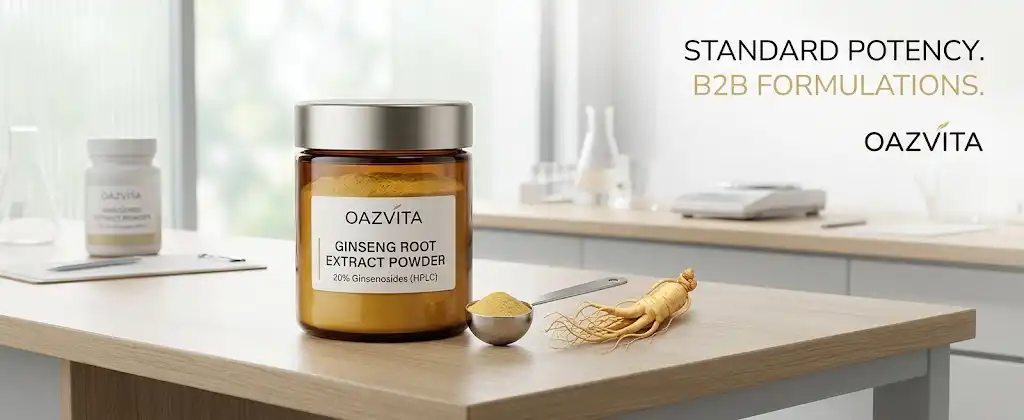
Ginseng Root Extract Powder is a highly concentrated form of ginsenosides, which are also known as bioactive organic compounds. These are the primary therapeutic components of the plant that are responsible for the adaptogenic properties that we see in it. There is benefit in traditional ginseng Products such as teas and whole root preparations; however, extract powders provide standardized potency levels that are typically between 5 and 20 percent total ginsenosides, as determined by HPLC procedures that have been authorized.
The Korean Ginseng Root Extract Powder (Panax ginseng) and the American Ginseng Root Extract Powder (Panax quinquefolius) are the two primary varieties that are purchased and sold all over the globe. The boosting effects of Korean kinds are often greater and more effective for increasing cognitive function and physical performance because Korean types typically include larger quantities of Rg1 and Rb1 ginsenosides. During the extraction process, the raw roots are altered via the use of procedures that are based on either water or ethanol. As a result, a fine powder that is fluid and stable on the shelf for a longer period of time than raw materials is produced.
Core Health Benefits Supported by Clinical Evidence
One of the best-known benefits of Ginseng Root Extract Powder supplements is that they can give you more energy. Studies that have been published in reputable journals show that ginsenoside compounds help cells make energy by improving the function of mitochondria and glucose metabolism. This means that you will feel less tired and have more energy. These are benefits that are especially valued in sports nutrition and wellness programs at work.
Another important benefit is that it controls immune response. According to clinical studies, taking Ginseng Root Extract Powder on a daily basis helps keep your immune system in balance by changing how many cytokines are made and how active your natural killer cells are. These immunomodulatory effects give companies strong scientific support when they make seasonal health goods or general immune support supplements for health-conscious customers.
Ginseng Root Extract Powder's value is increased by the fact that it contains antioxidants. The polysaccharide and ginsenoside parts are very good at getting rid of free radicals, which protects cell structures from oxidative stress. This quality is especially useful for nutricosmetic uses, where internal antioxidant support works with external skin care routines to improve skin health and reduce the signs of age.
Skin Health Applications in Nutricosmetics
In addition to its use for internal health, Ginseng Root Extract Powder works very well in beauty-from-within products. Ginsenosides increase the activity of dermal fibroblasts, which helps make collagen and keeps the skin flexible. According to research, taking Ginseng Root Extract Powder supplements by mouth can make your face more hydrated and lessen the look of fine lines and wrinkles over time.
Ginseng Root Extract Powder compounds have anti-inflammatory properties that also help clear up the skin by controlling the inflammatory pathways that cause skin to be sensitive and red. These effects make Ginseng Root Extract Powder a useful ingredient for companies making all-around beauty products that treat many signs of aging with a single plant-based ingredient.
How to Use Ginseng Root Extract Powder Effectively in Your Business
Dosage Considerations Across Industrial Applications
To effectively incorporate Ginseng Root Extract Powder, you need to know the right dosage rates for various product types. Brain boosters and energy boosters usually have 200 to 400 mg of standardized extract per serve. This is done to make sure that the ginsenoside concentrations are high enough to be useful while still keeping daily dose plans comfortable for users.
Making functional drinks is different from making other drinks. Water-soluble Ginseng Root Extract Powder made for use in drinks stays clear in acidic environments and gives 50–150 mg per dose, making it both effective and tasty. To hide the earthy, slightly bitter flavor, you need to use ingredients that go well with it, like honey, citrus essences, or adaptogenic herb mixes that make the flavors go well together.
For cosmetic and nutricosmetic uses, micronized specs are needed to make sure that the textures blend smoothly. Particle sizes below 100 mesh are good for topical formulations because they keep emulsions from getting gritty and let active compounds get into the skin. Dosing guidelines for internal beauty supplements are similar to those used for general wellness products. These are changed based on how well certain ingredient combinations work together in complete formulas.
Raw Powder Versus Standardized Extracts
Teams in charge of buying things need to be able to tell the difference between normal products and raw Ginseng Root Extract Powder. Raw powders have all the active ingredients found in roots, but they aren't guaranteed to be effective. This means that each batch is different, which makes it harder to get a consistent end product. Standardized extracts are tested to make sure they have the right amount of ginsenoside. This gives the quality guarantee needed to follow the rules and make sure the product works well.
It is important that the manufacturing specs make it clear what the extraction ratios, solvent systems, and uniformity goals are. Ginsenoside content must be fixed to set amounts, and concentration ratios of 4:1 or 10:1 are common requirements. These technical factors have a direct effect on both the cost of the ingredients and the effectiveness of the end product. This makes them very important to negotiate during the seller qualification process.
Safety Protocols and Communication Strategies
Ginseng Root Extract Powder has a well-known safety profile, and responsible manufacturers make sure that downstream partners and end consumers know how to use it properly. Some things that could be taken into account are how it reacts with certain compounds and whether it is right for certain groups of people. Complete technical data sheets, certificates of analysis, and third-party safety reports should all be included in documentation packages to help with clear communication throughout the distribution chain.
OEM makers can get more out of their partnerships with suppliers who can help with product and application. Expert technical teams can suggest the best extract specs for different product ideas, fix problems with stability in complicated matrices, and give regulatory information about how to back up label claims in different markets.
Comparing Ginseng Root Extract Powder to Alternatives
Format Evaluation: Powder Versus Capsules and Teas
From a business-to-business (B2B) purchasing point of view, Ginseng Root Extract Powder is clearly better than finished dosage forms. Powder forms offer the most formulation options, so companies can make their own blends, change dosing, and choose the best delivery systems, such as capsules, tablets, gummies, and liquid shots.
Because they are more bioavailable, concentrated extracts are better than regular tea recipes. Ginseng tea is enjoyable to drink, but the water-based extraction that happens during heating only gets a small amount of the ginsenosides that are available. Standardized powders make sure that customers get the same therapeutic doses no matter how they are prepared. This means that the results of the product are more predictable, and the brand's reputation is stronger.
Another benefit of buying is that it saves money. When compared to finished capsules, buying powder in bulk usually has better unit economics, especially when spread out over a lot of production runs. This pricing structure helps brands better manage their profit margins in competitive market segments where prices at stores are under pressure to go down.
Organic Versus Conventional Sourcing Decisions
Certification status has a big effect on both the cost of sourcing and the chances of getting a good position in the market. Organic Ginseng Root Extract Powder costs more, but it gives you access to a rapidly growing group of clean-label consumers who are willing to pay more for guaranteed pure standards. USDA Organic and EU Organic approvals are third-party confirmations of how the food was grown, that pesticides were not used, and that it is not genetically modified.
Conventional extracts can still be used in situations where price is important and organic certification doesn't have a big effect on the decision to buy. No matter if the food is organic or not, good suppliers follow strict testing protocols to make sure that levels of heavy metals, microbes, and pesticide residues are well below the limits set by the FDA, the European Commission, and other governing bodies.
Traceability tools make it easier to tell the difference between premium providers. Blockchain or digital recording platforms are used by leading producers to keep track of Ginseng Root Extract Powder from where they are grown to where they are packaged. This openness backs up claims of sustainability, meets customer demands for fair sourcing, and lowers the risks in the supply chain that come with changing ingredients.
Competitive Positioning Against Other Adaptogens
Ginseng Root Extract Powder is in the same group of plants as ashwagandha, rhodiola, and cordyceps that are adaptogenic. Different people like different adaptogens because they each have different chemical makeups and long histories of use. Ginseng Root Extract Powder has a lot of clinical research behind it, and it has a strong cultural history, especially in Asian markets. This makes it a great ingredient for brands that want to stand out by using something that has both modern and historical credibility.
Ginsenosides are structurally different compounds that can't be found in other adaptogens. This lets them make claims about how they work that support protecting intellectual property for new formulations. Ginseng Root Extract Powder's unique biochemical pathways can help brands make unique message platforms that stand out in the supplement aisles, especially for companies making next-generation energy goods or cognitive enhancement stacks.
Procurement Guide: How to Source High-Quality Ginseng Root Extract Powder
Supplier Qualification Criteria
To find reliable Bulk Ginseng Root Extract Powder Supplier providers, you need to do a thorough review of many factors. As the first step in the screening process, certification files are used. Priority suppliers keep their HACCP, ISO 22000, and NSF certifications up to date, which shows they are dedicated to food safety management systems. Getting extra qualifications like HALAL, Kosher, and organic certifications can help you reach more customers and show that your business is more advanced.
In addition to the supplier's own approval, third-party testing procedures are an important way to make sure the quality of the product. Reputable companies hire outside labs to test each batch for microbial contamination, heavy metals, pesticide residues, and ginsenoside content. Every package should come with a Certificate of Analysis that clearly explains how the tests were done and how they can be linked to accepted standards like USP or European Pharmacopeia monographs.
The country of origin affects both how people think about quality and how regulations are applied. Korean Ginseng Root Extract Powder is considered to be the best because of its history and knowledge of how to grow it. Chinese suppliers have reasonable prices and a range of quality levels. Brands that focus on using domestic ingredients, like American Ginseng Root Extract Powder sources. By understanding these changes in the market, you can make strategic sourcing decisions that are in line with how you want to position your brand and what your target customers want.
Pricing Dynamics and Negotiation Strategies
The way an item is extracted has a direct effect on how much it costs. The most cost-effective method is water extraction, which works well for goods that focus on standard preparation methods. Higher concentrations of ginsenosides are obtained through ethanol extraction, but the price is higher. The most expensive method, supercritical CO2 extraction, gives the purest profiles with the least amount of solvent residue.
The economics of bulk orders support bigger obligations. At 100 kg, 500 kg, and 1,000 kg minimum order numbers, suppliers usually offer price breaks based on volume. To get the best order numbers based on available working capital and stock space, procurement teams should make models of how much each product line will be used each year.
Long-term trade deals are good for both parties. Manufacturers get stable prices and a guaranteed supply during times when raw materials are in short supply. Suppliers get steady streams of income that allow them to invest in capacity and get special treatment when supply shortages happen. Agreements that are well-structured include requirements for quality, ways for prices to change based on market indicators, and options for freedom to meet changing business needs.
International Logistics and Regulatory Navigation
Ginseng Root Extract Powder trade across borders is regulated in a lot of different ways, depending on the market that the Ginseng Root Extract Powder is going to. Imports into the United States must follow FDA rules about dietary ingredients, such as giving the right DSHEA notice for new dietary ingredients if they apply. Shipments going to or from the European Union must follow the Novel Foods rules and the limits for contaminants set out in the Commission Regulation papers.
The division used by customs affects the tax rates and the paperwork that is needed. Ginseng Root Extract Powder are usually classified under HS code 1302.19, but the exact classification depends on the level of standardization and the type of use that the extracts are meant for. Expert freight forwarders who know about the trade in plant ingredients can help you figure out how to best meet the needs of each country and find the best shipping methods.
When documentation is full, expensive delays don't happen. Commercial invoices, packing lists, certificates of origin, phytosanitary certificates, and certificates of analysis are some of the most important pieces of paper that you need. Suppliers who offer full support for export documentation make the import process easier and lower the risks of noncompliance that could lead to shipments being rejected or destroyed.
Why Partnering with a Reliable Ginseng Root Extract Powder Supplier Matters
Value-Added Services Beyond Commodity Supply
Leading suppliers of Ginseng Root Extract Powder act more like strategic partners than just transactional suppliers. Formulation services for OEMs let brands that don't have their own research and development departments get help from experts on how to come up with new product ideas, find ingredients that work well together, and test for stability. This joint method cuts down on formulation risks and speeds up the time it takes to bring new products to market.
Private labeling solutions make it easy for new brands to get started. Comprehensive programs make it easier to make things by combining recipe development, packaging design, regulatory compliance paperwork, and manufacturing execution into a single package. Flexible minimum order quantities let brands test the market without committing to too much inventory. This is especially helpful for brands that are looking into new product categories or distribution channels.
Technical paperwork packages help with marketing and government rules further down the line. Full dossiers have reviews of the scientific literature, safety ratings, suggested label claims with proof references, and product details that are good for marketing. These tools make things easier for brand teams and make sure that messages are consistent everywhere customers interact with the brand.
Emerging Market Trends and Strategic Positioning
The field of cognitive health supplements is growing quickly, thanks to an aging population and worries about efficiency at work. Because Ginseng Root Extract Powder is a nootropic, it works well with this trend, especially when mixed with other ingredients that work well together, like lion's mane mushroom or phosphatidylserine. Innovative companies are making complex brain health products that use Ginseng Root Extract Powder's clinical evidence base.
The uses of sports nutrition are continuing to grow beyond bodybuilding and into the markets for active aging and living exercise. Ginseng Root Extract Powder's two benefits—improving recovery and supporting physical endurance—make it appealing to a wider range of people who want to improve their performance naturally and without the side effects that come with stimulants. Ready-to-drink pre-workout drinks and recovery powders are formats that have a lot of room to grow.
Sustainability factors are becoming more and more important in purchasing decisions. By choosing where to get their ingredients, consumers show that they are willing to reward brands that care about the environment. When suppliers put money into carbon-neutral businesses, regenerative farm partnerships, and clear supply lines, these things stop being differentiators and become standard. This gives them a competitive edge.
Conclusion
For producers in the nutraceutical, functional food, and health supplement industries, Ginseng Root Extract Powder is a highly important ingredient. There is a lot of evidence that it can help with energy, the immune system, brain function, and skin health. This gives product claims a strong scientific basis. For procurement to go well, seller certifications, extraction quality, and relationship skills that go beyond commodity deals need to be carefully looked at.
When you source quality Ginseng Root Extract Powder, you get a competitive edge that shows in how well your products work, how confident you are that they will follow the rules, and how strong your brand positioning is. As consumer expectations in the wellness market continue to rise, working with dependable suppliers who can provide technical know-how, flexible production, and consistent quality becomes an invaluable strategic asset that helps businesses grow and stand out in the market over the long term.
Frequently Asked Questions
1. What differentiates ginseng root extract powder from regular ginseng powder?
Concentration processes on Ginseng Root Extract Powder produce standardized ginsenoside levels, usually between 5% and 20% of the total ginsenosides, which can be checked in a lab. Regular ginseng powder is made from dried roots that have been ground up without being standardized. This means that the potency of each batch is different. Extracts give supplements the consistency they need to be made in a way that follows the rules and ensures they work well.
2. Are there safety considerations when using ginseng extract in formulations?
Ginseng Root Extract Powder has a well-known safety rating when used in the amounts that are suggested. Manufacturers should include clear directions on how to use their products and let users know that some groups may need different methods. Good providers give full safety information, like toxicology studies and interaction ratings, that helps with making responsible products and sending them to the government.
3. How can I verify ginseng extract quality before committing to bulk purchases?
Ask for examples that come with up-to-date Certificates of Analysis from third-party labs that have been approved by the government. Check that the amount of ginsenoside that is in the Ginseng Root Extract Powder meets the requirements and make sure that it has been tested for heavy metals, herbicides, and microbes. Reliable suppliers are happy to talk about quality checks and provide clear paperwork that shows they follow international standards like USP monographs or European Pharmacopeia requirements.
Partner with OAZVITA as Your Trusted Ginseng Root Extract Powder Manufacturer
Ginseng Root Extract Powder from OAZVITA comes from premium Panax ginseng roots and is pharmaceutical-grade. It has been standardized to have a constant amount of ginsenoside and has a lot of foreign certifications, such as HACCP, ISO 22000, NSF, HALAL, USDA Organic, and EU Organic credentials. Our technical team offers full formulation support, free samples with full COA documentation, and flexible minimum orders starting at just 1 kg to meet the needs of both product development and full-scale production.
We make sure your supply chain runs smoothly by offering quick lead times of 1 to 5 days, shipping around the world via DHL, FedEx, UPS, and dedicated freight services, and a 99% on-time delivery record in North American and European markets. Our OEM/ODM services include pills, tablets, powders, and chews. We have dedicated account managers who can help you in multiple languages and are available 24 hours a day, seven days a week. Get in touch with our purchasing experts at info@oazvita.com to talk about custom solutions that will help you add high-quality plant ingredients to your products that meet the strict quality standards of today's health-conscious customers.
References
1. Kim, J.H., et al. "Efficacy of Korean Red Ginseng Extract on Cognitive Function and Fatigue: A Systematic Review and Meta-Analysis." Journal of Ginseng Research, vol. 45, no. 2, 2021, pp. 193-205.
2. Lee, S.M., and Bae, B.S. "Antioxidant and Anti-aging Effects of Panax ginseng Ginsenosides." Phytotherapy Research, vol. 34, no. 8, 2020, pp. 1923-1935.
3. Murphy, L.L., and Lee, T.J. "Ginseng, Sex Behavior, and Nitric Oxide." Annals of the New York Academy of Sciences, vol. 962, 2002, pp. 372-377.
4. Qi, L.W., et al. "Quality Evaluation of Radix Ginseng through Simultaneous Determination of 19 Saponins by High-Performance Liquid Chromatography." Chemical and Pharmaceutical Bulletin, vol. 56, no. 6, 2008, pp. 830-835.
5. Reay, J.L. et al. "Single Doses of Panax ginseng Extract Standardized to Ginsenoside Content Improve Aspects of Working Memory Performance." Human Psychopharmacology: Clinical and Experimental, vol. 25, no. 6, 2010, pp. 462-471.
6. Shin, B.K., et al. "Chemotaxonomic Classification of Panax Species Using UPLC-QTOF/MS-Based Metabolomics." Journal of Ginseng Research, vol. 42, no. 3, 2018, pp. 361-369.

Send Inquiry
Related Industry Knowledge
- What are the Benefits and Uses of Dihydromyricetin
- What does Trans-Resveratrol Powder do for your body?
- Best Beetroot Juice Powder for Cycling: Boost Power & Endurance
- Hericium Erinaceus Extract Powder: Beginner's Guide & Benefits
- Reishi Mushrooms: A Comprehensive Guide
- Liquid Shilajit Drops: Benefits, Dosage & Comparison
- How to Make Super Greens Powder Packets Part of Your Daily Routine
- Pure NMN powder: dosage, timing and effective usage guidelines
- Pure Inositol Powder vs Myo-Inositol: Key Differences Explained
- Traceable Glutathione Powder Supply Chains from China