
What defines the best spirulina chlorella tablets?
Jun 03, 2026
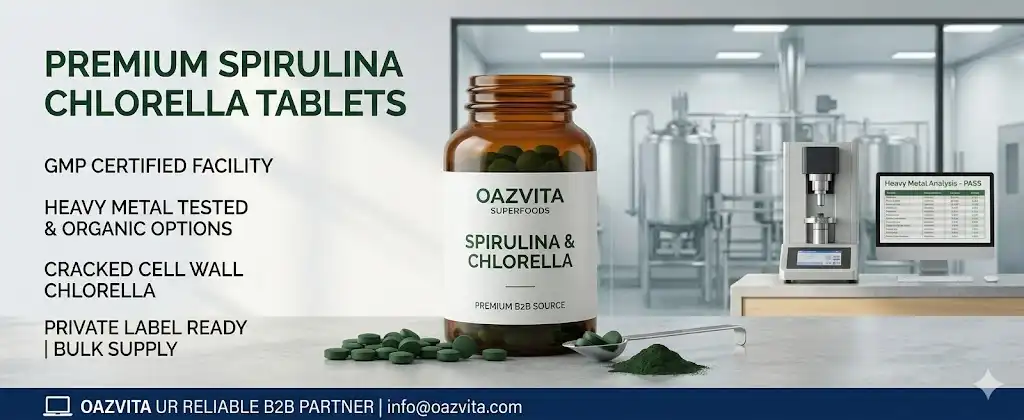
Key factors defining Spirulina Chlorella Tablets include high-quality raw materials, robust quality control systems, optimized tablet engineering, and reliable sourcing. In B2B procurement, preferred specifications often include a balanced spirulina–chlorella blend with cracked cell walls to enhance nutrient availability, along with low moisture content, verified quality, and certifications such as GMP and, where applicable, organic standards. Evaluation criteria also typically cover heavy metal testing, algal toxin screening, microbial limits, and consistency in tablet performance during storage, shipping, and use. In the U.S. market, procurement decisions generally prioritize Products that align with brand protection requirements while meeting cost, safety, and consumer expectations.
Introduction
The search trend for this topic on Google SERPs is clear: buyers want a quick definition, useful comparison points, and data they can believe. As a highlighted snippet, the answer is easy: high-quality pills have pure spirulina and chlorella, strict testing, high bioavailability, and reliable production. Organic spirulina pills, chlorella cracked cell wall, GMP supplement maker, heavy metal tested algae tablets, and private label superfood tablets are some of the other words that come up in this search language.
That tells me this subject lies between interest, trust, thought, and research. Buyers want to know more than just what the item is. People want to know what makes it special, flexible, and safe to source.
Understanding Spirulina Chlorella Tablets: Composition and Benefits
What they are made of
Arthrospira platensis and either Chlorella vulgaris or Chlorella pyrenoidosa are generally compressed together in these pills. In high-end goods, the mix is usually 50/50, but some formulas change the amount to focus on protein or make the product look greener. To keep a clean label, the best goods don't use synthetic binders and instead rely on cold-press compression.
When it comes to Spirulina Chlorella Tablets specs, you look for things like protein levels above 60%, green levels above 2.5 g per 100 g, moisture levels below 7%, and ash levels below 8%. These numbers are important because they affect how stable the product is on the shelf, how it is handled, and how much value people think it has.
Why the combination matters
Protein, phycocyanin, and a lot of good nutrients are found in spirulina. It adds chlorophyll and broken-cell-wall technology, which makes the food easier to digest and absorb. They tell a bigger story about "green superfoods" that works for health brands, high-end private label lines, and workplace nutrition programs.
A useful business problem is also solved by the tablet size. Powders can be messy, hard to measure out, and not as appealing in some ways. Tablets are better for accurate dosing, better for packing, and easier to move around.
Key usage scenarios in the market
A lot of the time, demand centers on a few business uses:
- Premium private label superfood positioning works especially well when tablets are 100% pure, vegan, non-GMO, and made without fillers. In this group, a claim of "clean label" is not an added plus. It's an important part of the product's personality, and buyers expect proof for every claim.
- Sports nutrition and active lifestyle products are useful for sports nutrition and active living goods because they give regular serving sizes without the taste problems that come with powders. In this case, procurement teams generally want to know about the protein density, how easily the tablets break apart, and whether the blend supports a high-performance story.
- Specialized wellness formulations put a lot of emphasis on controlled farming and low background contamination. For brands that need tighter risk controls, testing paperwork is a key part of these programs for getting suppliers approved.
Criteria for Selecting the Best Spirulina Chlorella Tablets
Quality certifications and compliance
An organized screening method helps you quickly lower the risk of buying. GMP is the standard for how Spirulina Chlorella Tablets should be made. In the U.S. natural channel, organic approval can make a product more valuable on the market. For some buyers, labels that say "vegan," "non-GMO," or "Made in USA" may also affect their choice to buy.
Traceability from raw material cultivation through to the finished tablet is a key component of quality assurance. Source control is considered an essential element of quality management rather than a marketing feature, particularly because algae can absorb substances present in their surrounding environment.
Purity, potency, and performance
The best computers work better in the lab and in real life. What you want is:
- Heavy metals that are well within strict limits, preferably proven by ICP-MS
- Screening for algal toxins, such as microcystins
- Microbiological compliance with key bacteria that cannot be tolerated at all
- Tablet hardness tough enough to carry, and they don't break down in USP artificial gastric fluid for more than 30 minutes.
These details show if a provider knows what is expected at the nutraceutical grade level or if they are just crushing biomass that isn't very good.
Tablet engineering vs powder flexibility
Tablets are often the best choice for exact serving amounts, SKUs that are ready for sale, and packaging that is easy to take with you. There is still use for powder in special mixes and food. Tablets are generally the best choice when a buyer wants ease of use, shelf appeal, and control over how much they take.
Comparing Spirulina Chlorella Tablets: What Sets the Best Brands Apart?
Organic, non-organic, and consumer perception
Organic doesn't always mean better nutrition, but in the U.S. market, it has a big effect on what people buy. A lot of buyers use it as a quick way to get better quality and cleaner farming. Products that aren't organic can still do well if they are tested, can be tracked, and have good production controls.
Cracked-cell-wall chlorella and binder-free compression
This is one of the most obvious ways to tell the difference between average and top-notch sources. Because chlorella's cell wall is naturally tough, bioavailability goes up when producers remove physical pressure or mill the algae in a way that keeps the nutrients. When it comes to tablets, binder-free cold compression backs up clean-label claims that supplement buyers who have bought supplements before will like.
OEM and private label readiness
A good company does more than just make computers. They encourage entering the market. It's better for me to do business with a provider that can offer custom ratios, label support, documentation packs, stable lead times, and scalable MOQ choices. That's very important for brand owners and marketers who have to balance speed and profit.
Procurement Strategies for Spirulina Chlorella Tablets in the Global B2B Market
How screen suppliers efficiently
At this point, the searcher's goal changes from finding information to looking into a business. People want facts. Start with specification sheets, COAs, copies of certifications, and current test results from a third party. Then you look at lead time, capability, and the level of conversation.
A trustworthy Spirulina Chlorella Tablets provider should be able to clearly answer scientific questions, share relevant test methods, and explain how they keep the risk of contamination low. Slow or unclear answers are often a sign of problems to come.
Cost control without quality erosion
Price is important, but a low price by itself can cost a lot if it leads to missed claims, an unstable supply, or angry customers. Most of the time, the best buying results come from:
- Bulk pricing and contract structure should include realistic yearly volume forecasts, batch schedules, and clear quality terms. This helps sellers hold capacity and plan for raw materials, and gives buyers a better picture of costs.
- Logistics and service performance, such as how reliable shipping is, how well packing protects items, and how quickly papers or samples need to be approved. As much as the factory price can protect launch dates, a good freight plan and quick account help can do even more.
Future Trends and Innovations in Spirulina Chlorella Tablet Production
Sustainable cultivation and cleaner sourcing
The market is going toward more managed farming methods, better water management, and clearer information about where the products come from. More and more buyers want technical quality along with care for the earth, especially when it comes to high-end natural goods.
Better bioavailability and formulation design
Methods for breaking down cell walls, drying processes, and compression technology are also being improved. The goal is easy: keep the ingredients, make it easier for the food to break down, and keep the label clean. This helps brands that want to tell a story about quality algae stand out more.
Private label growth in the U.S. market
As health brands and stores look for niche supplements with higher profit margins, the demand for private-label supplements keeps going up. The value of the variable OEM help goes up even more because of this. Long-term customers are more likely to stick with suppliers who offer paperwork, customization, and steady quality.
Conclusion
Evaluation of Spirulina Chlorella tablets extends beyond marketing claims to include verified quality metrics, the use of cracked cell wall chlorella for improved nutrient availability, clean-label tablet formulation, high nutritional standards, and consistent supplier performance. This combination of factors supports both product integrity and brand reliability in B2B procurement. By aligning technical specifications with market requirements, buyers can identify tablets suitable for retail distribution, private-label programs, and wellness-focused channels.
FAQ
1. How can you verify a supplier’s quality claims?
Standard procurement requirements include recent third-party test results, Certificates of Analysis (COAs), GMP documentation, certification records, and detailed product specifications. In addition, supplier evaluation typically involves verification that testing methods for heavy metals, microcystins, microbial contamination, moisture levels, and tablet disintegration are clearly defined and consistently applied.
2. What ratio is best in spirulina chlorella tablets?
Most people like a 50:50 blend because it appeals to a wide range of tastes. Some brands choose a spirulina-heavy ratio to focus on protein, while others choose to add more chlorella for a healthier, more pure story. The best ratio relies on your business, how you make claims, and the people you want to reach.
3. Why is cracked-cell-wall chlorella important?
The natural wall of chlorella is stiff, which can make it harder to digest. High-end makers break down that wall and make it easier to use by using physical methods like cutting or pressure release. When it comes to buying things, this is a key indicator of product quality and expensive placement.
Partner with Factop for Superior Pharmaceutical Capsule Filling Solutions
Need a reliable company to make or sell Spirulina Chlorella Tablets in the United States? Distributors, brand owners, and OEM buyers can get help from OAZVITA with buying, private label choices, and sample support. Send an email to info@oazvita.com to talk about your wants, requirements, and business goals.
References
1. United States Pharmacopeia. USP General Chapters: Disintegration and Dissolution of Dietary Supplements.
2. World Health Organization. Cyanobacterial Toxins: Microcystins.
3. U.S. Food and Drug Administration. Current Good Manufacturing Practice in Manufacturing, Packaging, Labeling, or Holding Operations for Dietary Supplements.
4. National Institutes of Health, Office of Dietary Supplements. Dietary Supplements Fact Sheets and Labeling Guidance.
5. Food and Agriculture Organization of the United Nations. Spirulina in Human Nutrition and Health.
6. Becker, E. W. Microalgae: Biotechnology and Microbiology. Cambridge University Press.

Send Inquiry

Related Industry Knowledge
- Best Chewable Collagen Gummies with Vitamin D, E & Biotin
- What are Shilajit drops used for?
- NR Chloride Powder Quality Audits for Japanese Pharmaceutical Buyers
- Best Pure NMN Powder for Health Supplements
- How spirulina chlorella tablets support gut health and digestion?
- Serving Asia-Pacific with Scalable NAD+ and NMN Powder Supply
- Fish Collagen Peptide Bioavailability Trends in Australia
- Batch-to-Batch Consistency in Inositol Powder for India
- Avoiding Batch Variability in Fish Collagen Peptides for EU Buyers
- United States Longevity Market Demand for High-Purity NMN Supplement Capsules