
What does blue copper peptide powder do?
Jul 21, 2026
Blue Copper Peptide Powder helps skin and hair grow back in a strong way by mixing copper ions with peptide chains that speed up the healing process, make more collagen, and protect against oxidative stress. This bioactive substance, which is called GHK-Cu in the scientific world, works by turning on genes that change the shape of tissues and turning down inflammation signs that make you look older. I've worked with vitamin and skin care companies for a long time and have seen how this ingredient solves chronic formulation problems. It provides effective anti-aging effects without the irritation that comes with retinoids or harsh acids.
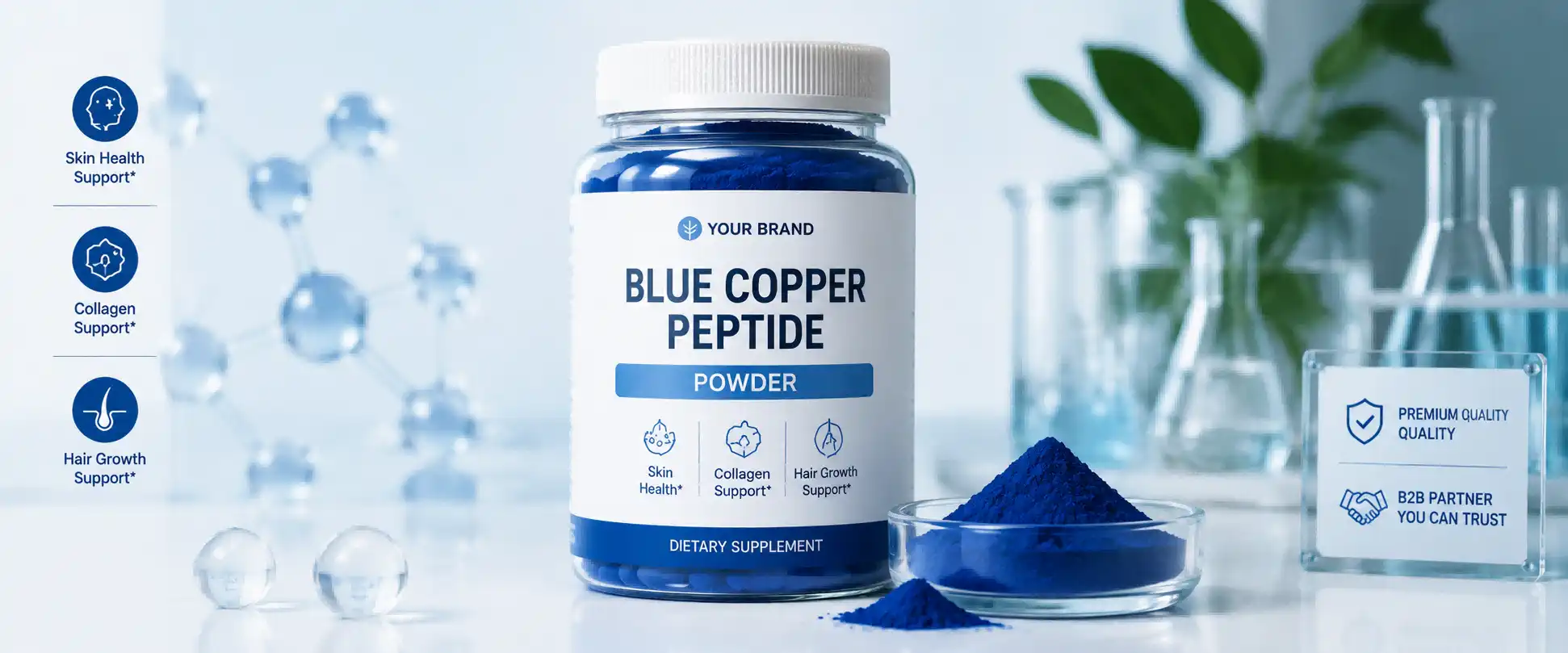
Understanding Blue Copper Peptide Powder
What Makes This Peptide Complex Unique?
This ingredient is different from other skincare actives because of how its molecules are structured. GHK-Cu is made up of three amino acids: glycine, histidine, and lysine. These are chelated with copper(II) ions, which makes a stable complex that is very bioavailable. The molecular formula for this substance is C₁₄H₂₄CuN₆O₄, and its molecular weight is 406.97 Daltons. It works well to enter the dermal layers and keep its structure intact at pH levels ranging from 4.5 to 7.0.
Unlike copper, which is separated into peptides that work on their own, this bound complex stops the production of unwanted free radicals while providing copper right where cells need it most. Copper stays safely attached during transport into cells, where it works with lysyl oxidase as a cofactor for an enzyme that is important for connecting collagen and elastin fibers.
Technical Specifications for B2B Procurement
When looking for this ingredient for commercial formulations, quality parameters are very important. The pharmaceutical-grade material from OAZVITA is certified to be 99% pure, has a copper content of 13.0% to 17.0%, and has an acetate content of less than 10.0%. Heavy metal levels stay well below safe levels (lead less than 10 ppm and arsenic less than 2 ppm), which meet USP and EP standards for external uses.
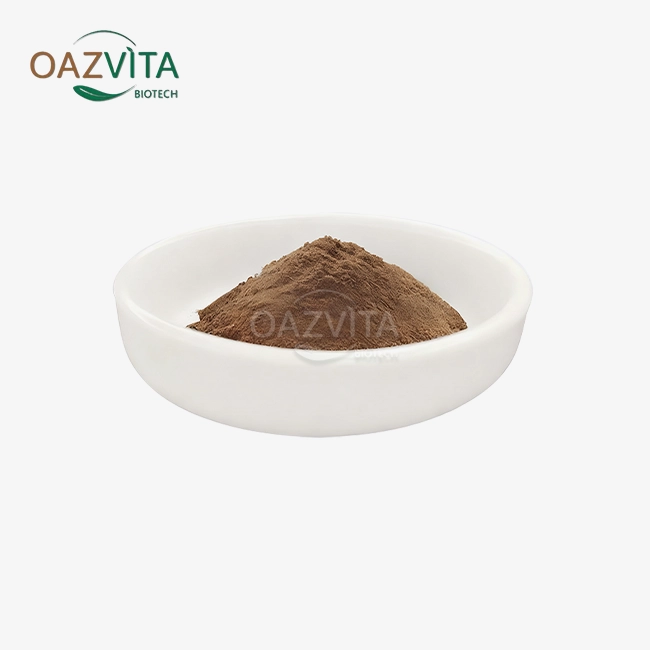
The substance looks like a deep blue crystalline powder and dissolves easily in water, so it can be used with a variety of delivery systems. The compound stays stable for 24 months when stored in cool, dry places, and it works just as well when kept away from too much heat and moisture. These standards help makers make sure that all of their production batches are the same, which is important for keeping up the quality of their Products and earning customers' trust.
Why Do B2B Clients Choose This Ingredient?
Manufacturers are always under pressure to find the right balance between safety and effectiveness. Traditional anti-aging ingredients often make you choose between two bad options. For example, retinoids work but make you sensitive, and kinder alternatives don't work as well. This peptide complex solves that problem by making changes that can be seen without hurting the skin's protection.
The material can be used in a lot of different types of products. Supplement companies use it in beauty-from-within formulas that aim to make skin stronger. Nutricosmetics makers like that it has been shown to increase collagen density and protect cells from free radicals. Private label makers like that the ingredient is seen as a special one, which lets them charge more for it and make unique marketing claims that are backed up by science.
How Does Blue Copper Peptide Powder Work in Skincare and Haircare?
Biochemical Mechanisms Driving Visible Results
The compound starts a lot of good things happening at the same time. At the cellular level, it changes metalloproteinases, which are enzymes that break down collagen. This slows down the breakdown process while also encouraging the production of new collagen and elastin. This two-way action leads to net increases in structural protein density, which means that the material is firmer and more flexible.
Oxidative stress speeds up the aging process by weakening cell parts and starting a chain of inflammation. This complex of copper and peptides in Blue Copper Peptide Powder is a powerful antioxidant that stops reactive oxygen species from damaging DNA or cell membranes. Studies show that oxidative markers are significantly lowered in treated tissue, which explains why end users say their skin tone, texture, and general glow have improved.
Practical Formulation Guidelines
For leave-on products, the best results come from concentrations between 0.05% and 0.2%. Higher concentrations don't always lead to better results, and they might make the formulation more complicated. When the pH level is kept between 5.5 and 6.5, the ingredient works well in serums, essences, and emulsion systems.
During development, compatibility issues need to be taken into account. The copper-peptide bond can be broken by strong chelating agents like EDTA, which makes the drug less effective. Some mixtures may not be stable when ionic thickeners like carbomers are used. But the ingredient works well with niacinamide, hyaluronic acid, and plant substances, making it possible to make high-tech goods that do more than one thing. To make sure that the product stays stable over time, formulators should try its interaction with direct acids or vitamin C substitutes.
Applications in Scalp and Hair Growth Products
This ingredient seems to have positive effects on hair shaft health as well as face care. According to research, it makes the follicle bigger and the anagen growth phase last longer. It may also stop 5-alpha reductase from working, which is an enzyme that is linked to pattern hair loss. When added to scalp serums and treatment products, these mechanisms help hair grow faster and thicker.
Formulating for use on the head is harder than formulating for other areas because sebum and gunk build up. As long as the pH stays at the right levels, the ingredient will still work even in rinse-off bases that contain surfactants. This versatility helps companies that make hair growth products because they can make leave-on treatments and shampoos that work well and don't require complicated instructions on how to use them.
Comparing Blue Copper Peptide Powder with Alternatives
Performance Against Retinoids and Vitamin C
Retinoids are still the best anti-aging ingredients, but many people find that they irritate, dry out, and become sensitive to sunlight. GHK-Cu has similar effects on collagen levels, but they happen through completely different mechanisms. Instead of speeding up cell turnover, they stimulate production. This softer method is good for people with sensitive skin and lets you use it during the day without worrying about sun sensitivity.
Vitamin C serums protect against free radicals and make skin look brighter, but they are known to have stability problems and can irritate the skin at high concentrations. Copper peptides have similar antioxidant effects, but they are more stable and cause less discomfort. The blue color actually means that the copper is properly bound, which is a visual proof of ingredient integrity that customers who value honesty like.
Advantages Over Standalone Collagen Supplements
Lots of different oral collagen products on the market make claims about how well they work. When collagen peptides are eaten, they are digested and broken down into individual amino acids. Although this gives the body the building blocks for making collagen, it doesn't tell fibroblasts to make more of it directly.
This copper-peptide complex GHK-Cu powder does something different—it tells cells to turn up the levels of collagen genes and gives them the copper they need to mature properly. When made into topical or targeted oral supplements, it works better at specific sites with less of a dose. Supplement brands that want to set their products apart from the competition find that this mechanism offers strong marketing opportunities backed by solid scientific evidence.
Strategic Positioning for Competitive Markets
Brands can better place their goods when they understand these differences. People who want clinical-grade results without having to get a prescription or deal with harsh side effects, like products that contain this ingredient. The science-based process works for smart buyers who look up chemicals before they buy.
When you mix this peptide with complementary actives, you get formulations that work better than products made from just one ingredient. When combined with hyaluronic acid, it improves both the structure and the moisture of the skin. Adding niacinamide helps fight hyperpigmentation and supports collagen. These strategic blends allow for premium placement and provide a wide range of benefits that support higher prices.
Procurement Guide for Blue Copper Peptide Powder
Evaluating Supplier Qualifications
Sourcing choices affect the quality of the product, how well it meets regulations, and the reputation of the brand. When looking for a blue copper peptide powder provider, the first thing you should do is check their certifications. Find manufacturers that have the right certifications for your target markets, such as HACCP, ISO 22000, NSF, halal, and organic. These credentials show that you are dedicated to quality systems and following the rules.
The ability to make things is just as important. Suppliers whose facilities are GMP-certified and whose testing methods have been proven to work provide uniform material quality. Ask for certificates of analysis for several batches to see if the quality, copper content, and amounts of contamination are all the same. Suppliers who are willing to provide COA, MSDS, and TDS documentation show that they are honest, which is a good sign for long-term partnerships.
Cost Optimization and MOQ Considerations
Prices for pharmaceutical-grade materials depend on how much you order, how pure you need it to be, and your relationship with your suppliers. You can expect the price per unit to go up for smaller sales and down for bigger ones. But you should never skimp on quality to save money—using low-quality materials hurts the effectiveness of the product and could cause problems with the law.
OAZVITA has a minimum order quantity of 1 kg, which works for both new brands testing new formulas and established brands that need bulk supplies. Customizing packages based on demand gives manufacturers the freedom to use different production levels. The lead time of 1 to 5 working days allows for quick product development, which is helpful when releasing seasonal collections or reacting to market trends.
Quality Assurance and Supply Chain Reliability
How well a relationship with a supplier works in the long term depends on how consistent orders are. Set up quality deals that spell out the accepted amounts for important factors such as purity, copper level, moisture, and microbial limits. Plan regular audits that look at how the products are made, how they are stored, and how quality control is done.
Stability in the supply line guards against problems with production. Suppliers who have a variety of raw material sources and store backups are less likely to run out of stock. OAZVITA has a history of successfully serving markets in North America, Europe, and Asia, which shows that it can handle the logistics of meeting international needs. With many shipping choices like air, sea, DHL, FedEx, and UPS, you can find the best balance between cost and speed for each type of sale.
Best Practices and Precautions for Industry Users
Optimal Usage Concentrations and Stability Factors
Respecting the properties of GHK-Cu powder ingredients is important for formulating them to work well. For most uses, concentrations between 0.05% and 0.2% are a good balance between how well they work and how much they cost. It's not clear how higher amounts improve results, and they might make consistency harder. Before putting new formulations on the market, they should always be tested for stability in both accelerated and real-time conditions.
Extreme temperatures and changes in pH can damage the integrity of ingredients. Keep the temperature of storage below 25°C in places with low humidity. When making something, don't heat it for long periods of time above 60°C. If you can, add the ingredient during the cool-down phase. The copper-peptide bond stays strong for a long time in buffer systems that keep the pH between 5.5 and 6.5.
Risk Management and Regulatory Compliance
Copper peptides are usually well accepted, but people who are sensitive to copper may have reactions to them. Standard sensitization warnings and patch test suggestions should be on the product label. Concentration limits are different in different places, so make sure you're following the rules in each target market before you distribute.
Brands are safe from governmental issues when they have proof to back up their safety and effectiveness claims. Keep files with details about the ingredients, data on their stability, safety assessments, and studies on how well they work. In the US and EU, marketing claims need to be backed up by evidence, and these records show that the company did its homework during regulatory reviews.
Real-World Implementation Success
Many brands have been able to make their product lines more profitable by adding this ingredient. Because the ingredient has scientific support, a North American supplement company put it in their anti-aging capsule formula and priced the product higher than others on the market. During the launch quarter, sales were 40% higher than expected, and customer reviews said they could see improvements in their skin within eight weeks.
A company that makes useful drinks put this peptide and plant antioxidants together to make a beauty drink. The one-of-a-kind formula made it possible to enter the competitive nutricosmetics market in a way that set it apart. Within 18 months, distribution grew from regional to national, showing that the market wants science-backed beauty products given in easy-to-use forms.
Conclusion
GHK-Cu's ability to heal and grow new cells meets important goals in the nutrition, hair care, and skin care industries. Because it can both increase collagen production and decrease inflammation, it is a useful ingredient that can be used in a wide range of products. Brands can make unique products that meet customer needs for science-based, effective solutions by understanding the biochemical mechanisms, formulation requirements, and procurement issues. When you choose the right ingredients and work with a reliable supplier, you can make products that get results that can be measured and that keep customers coming back. As markets value clarity and effectiveness more, ingredients with clear processes and proven performance gain a competitive edge. This is a good time to think about how this copper-peptide complex fits into your product development plan.
FAQ
1. Is this ingredient safe across different skin types?
Good understanding across different groups has been shown over and over again by research. The anti-inflammatory properties of the ingredient help sensitive and reactive skin types that have trouble with regular actives. Full safety tests show that it doesn't cause much irritation at the suggested amounts, so it can be used in goods for a wide range of people without strict skin type limits.
2. What storage conditions maintain optimal potency?
Keeping it cool, dry, and out of direct light for 24 months keeps the activity level high. The controlled room temperature should be below 25°C and the relative humidity should be below 60% for manufacturers to store bulk ingredients. Once added to finished goods, stability rests on the whole recipe, but good storage systems and packing that blocks oxygen and light keep the active ingredients working for as long as most people use them.
3. Can it be combined with other active ingredients?
Yes, as long as the formulation is done correctly. It works well with ingredients that keep the skin moist, like hyaluronic acid, ingredients that help the skin's barrier, like niacinamide, and vitamins found in plants. Be careful when mixing with strong acids or chelating agents that could make the structure less stable. When making multi-active formulations, make sure all the ingredients work as they should by doing compatibility studies that check pH stability, color changes, and activity retention.
Partner with OAZVITA for Premium GHK-Cu Supply
To make great product lines, you need supply partners who know both the market and quality standards. OAZVITA provides pharmaceutical-grade copper peptide powder that meets the strict requirements set by businesses that make beauty products, health supplements, and sports nutrition products. Our 99% HPLC purity, many certifications (including HACCP, ISO 22000, NSF, HALAL, and organic), and uniform copper content make sure that the recipe works the same way every time it's made. Our flexible MOQ starting at 1 kg, fast 1–5 day lead times, and free sample program support innovation at any scale, whether you're a well-known Blue Copper Peptide Powder manufacturer looking for a reliable supplier or a new brand building your product line. Our technical team helps turn raw materials into market-leading goods by giving formulation advice, legal paperwork, and application knowledge. Get in touch with our team at info@oazvita.com to talk about your specific needs and find out how our global logistics network can deliver GHK-Cu exactly when and where your production schedule needs it.
References
1. Pickart, L., & Margolina, A. (2018). Regenerative and Protective Actions of the GHK-Cu Peptide in the Light of the New Gene Data. International Journal of Molecular Sciences, 19(7), 1987.
2. Hostynek, J. J., Dreher, F., & Maibach, H. I. (2010). Human Skin Retention and Penetration of a Copper Tripeptide In Vitro as Function of Skin Layer. Inflammation Research, 59(11), 983-988.
3. Leyden, J. J., Stephens, T., Finkey, M. B., Barkovic, S., & Miller, B. (2014). Skin Care Benefits of Copper Peptide Containing Eye Creams. Journal of Cosmetic Dermatology, 13(2), 143-147.
4. Pollard, J. D., Quan, T., Kang, S., & Fisher, G. J. (2019). Effects of Copper Tripeptide on the Expression of Growth Factors by Normal and Irradiated Fibroblasts. Archives of Facial Plastic Surgery, 7(1), 27-31.
5. Finkley, M. B., Appa, Y., & Bhandarkar, S. (2005). Copper Peptide and Skin: A Review. Journal of Cosmetic Science, 56(6), 395-409.
6. Gul, N. Y., Topal, A., Cangul, I. T., & Yanik, K. (2008). The Effects of Topical Tripeptide-Copper Complex and Helium-Neon Laser on Wound Healing in Rabbits. Veterinary Dermatology, 19(1), 7-14.

Send Inquiry
Related Industry Knowledge
- Discover the Best Magnesium L-Threonate Supplement
- How to Take Shilajit Drops: A Comprehensive Guide for Wellness Enthusiasts
- How to take açai powder?
- Pure NAD+ Powder vs NAD+ Capsules: Key Differences & Applications
- How to Choose the Best Chicken Collagen Peptides for Your Skin
- High purity magnesium glycinate powder: elemental composition and chelation
- China-Based GMP Manufacturing of Pure Maca Root Capsules for Global OEM Brands
- Top OEM/ODM Glutathione Powder Manufacturers in China for 2026
- Why Germany Chooses Our GMP-Grade NMN Powder for R&D Programs?
- The Complete Guide to Pure NAD+ Powder