How to Source Quality Quercetin Dihydrate Powder for Your Business
Oct 19, 2026
If you're sourcing quercetin dihydrate for Dietary Supplements, functional foods, or skincare Products, getting the ingredient specification right from the start matters more than most buyers realize. Pure quercetin powder — particularly the dihydrate form at 98% HPLC purity — is one of the most in-demand flavonoid raw materials on the B2B market today. This guide walks you through what to look for, how to compare suppliers, and how to protect your supply chain so your finished products consistently meet quality and regulatory expectations.
Understanding Quercetin Dihydrate Powder and Its Business Value
What Sets Quercetin Dihydrate Apart
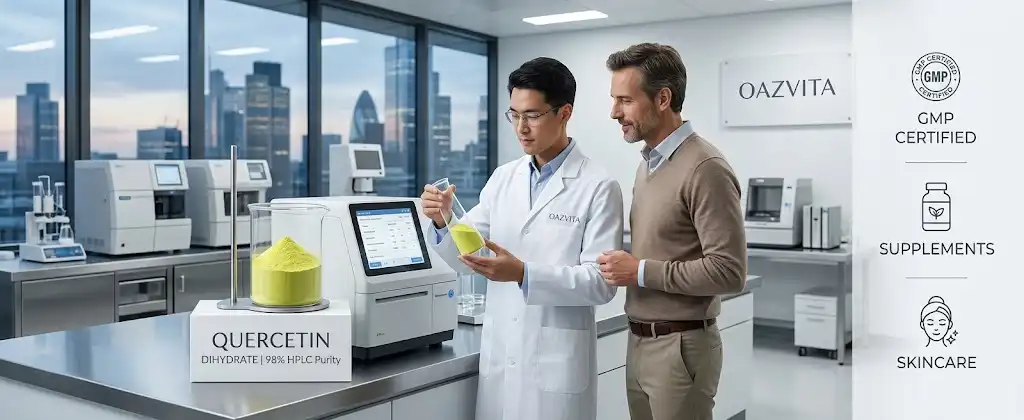
A flavonol known as quercetin dihydrate, with the chemical formula 117-39-5, may be found in its natural state in the buds of the Sophora japonica L. tree. "Dihydrate" is the name given to this substance because it has two molecules of water that are integrated into its structure. It is more solid than the "anhydrous" form when it is correctly stored, which indicates that it is preserved adequately. In today's market, the majority of individuals purchase these two varieties of quercetin powder. This particular type is composed of the chemical compound C₁H₁O₇·2H₂O.
Why Purity Level Drives Commercial Value
When it comes to purchasing ingredients for business-to-business transactions, purity is not a side issue; it has a direct impact on the accuracy of doses, the compliance of labels, and the efficiency with which the final product functions. Using high-performance liquid chromatography (HPLC), it is feasible to determine the active load per gram of a batch that has been tested and proven to be 98% pure. The formulation is put in jeopardy if the findings of the test are not confirmed or when they differ from batch to batch after batch. Particularly in regulated regions such as the United States and the European Union, where the claims made on the label must correspond to the contents of the product.
Quality Risks With Inferior Powders
The presence of heavy metals, solvents that have been left over from improper extraction processes, or polyphenols that have been broken down as a result of improper storage are often the reasons why quercetin powder is not satisfactory. People who purchase something often do not learn about these problems until after the product has been manufactured to their satisfaction. It is possible for this to result in refunds, complaints from customers, or failed import inspections. Prior to the acceptance of each batch, it is necessary to employ a Certificate of Analysis (COA) to do a thorough inspection.
Key Criteria for Sourcing Quality Quercetin Dihydrate Powder
Purity and Physical Specifications
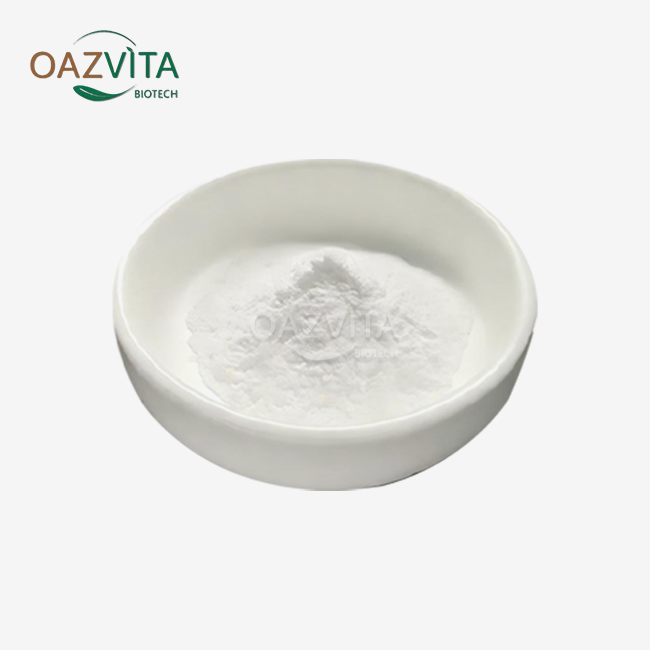
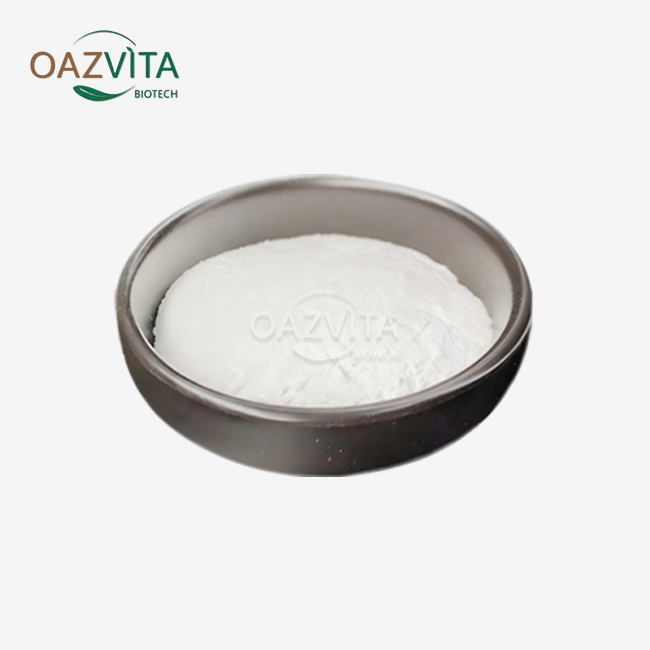
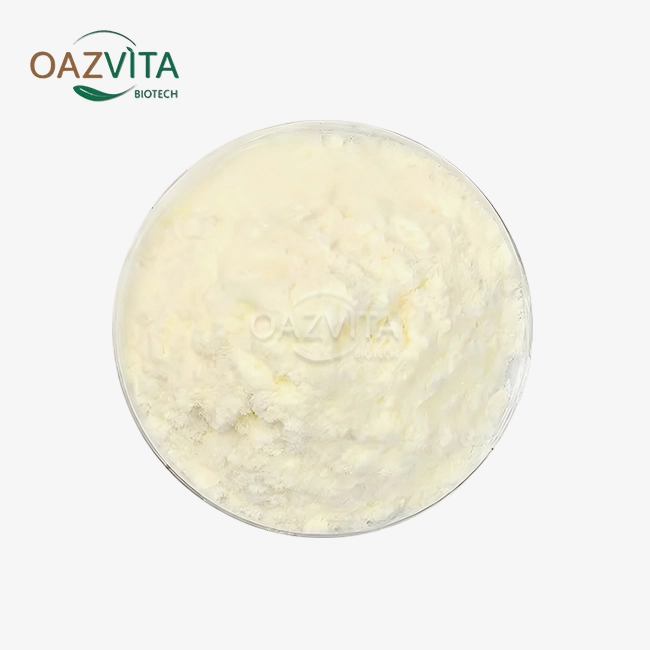
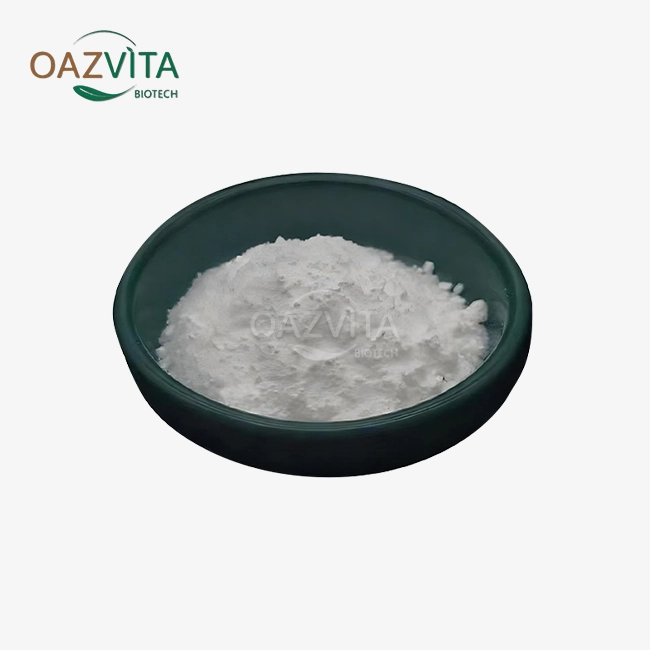
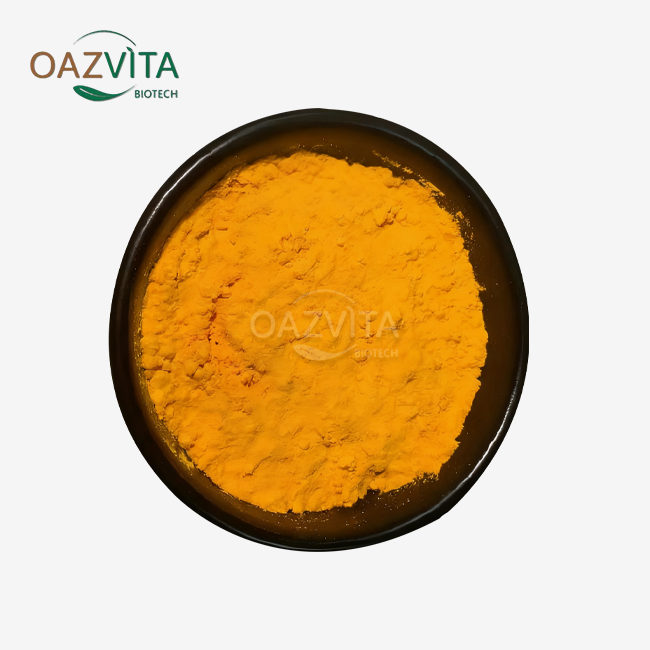
Anyone you can trust that sells quercetin dihydrate should have goods that are at least 95% pure by HPLC, and the best ones should be at least 98% pure. The way something looks is also important. Fine powder that is bright to greenish-yellow and has a unique, mild smell should be what you get. You can get full batch information from OAZVITA, like COA, MSDS, and TDS, if you ask for it. Their pure quercetin powder is 98% HPLC grade.
Certifications That Protect Your Business
Compliance with regulations is not an extra; it is a screening filter. When looking for suppliers, it's better to go with ones whose credentials are known all over the world. Before you place a big order, you should make sure that the following things are true:
- HACCP & ISO 22000 — Food safety management systems that confirm manufacturing controls are in place throughout production.
- NSF Certification — Recognized across North American supplement markets as a mark of ingredient integrity.
- HALAL Certification — Mandatory for Middle East and Muslim-majority market distribution.
- EU Organic & USDA Organic — Required for clean-label, non-GMO product lines in European and American retail.
These certificates keep your brand safe by making sure it can be watched, doesn't get tainted, and meets the standards for entering many markets.
Packaging and Shipping Considerations
The powder form of quercetin dihydrate doesn't mix with water and is light-sensitive. The packaging needs to be sealed and dry so that the crystal structure doesn't break down. Business packaging that meets standard requirements starts at 1 kg, and sizes can be changed to fit production needs. Shipping goods to other countries is safe when you use logistics services like DHL, FedEx, UPS, air freight, or sea freight that have been vetted. After an order is approved, lead times are generally between one and five business days.
Comparing Quercetin Dihydrate Powder With Alternative Forms
Dihydrate vs. Anhydrous Quercetin
That type doesn't have any water in it, so it's a little stronger per gram. It does, however, absorb water more quickly and can break down if it is not kept in a way that keeps humidity in check. For most vitamin makers, the dihydrate form is the best choice because it is more stable and works better.
Quercetin vs. Rutin
One kind of quercetin is rutin. It is a glycoside, which means it has a sugar molecule attached to it. Quercetin dihydrate doesn't dissolve as well in water, but this one does. The body has to break down the sugar bond first, though, which makes it less bioavailable. On the other hand, quercetin dihydrate is already active because it is an aglycone. Because of this, it works better for high-potency supplement mixes that need to work quickly and effectively.
Powder vs. Finished Supplement Forms
The people who make bulk quercetin dihydrate powder can pick the amount, the way the powder is delivered (in pills, tablets, gummies, or powder form), and how it is mixed with other ingredients that work well with it, like Vitamin C, Zinc, or Bromelain. Fully formed vitamins are handy for people who buy under their own brand names, but they usually cost more per dose and can't be changed as much. Getting quercetin dihydrate from a licensed source is the most cost-effective way for brands to get it when they want to start selling OEM goods or make more of them.
Best Practices for Procuring Bulk Quercetin Dihydrate Powder
Evaluating Supplier Credentials
First, show proof that the rules for making things have been put down. You should be able to easily get production records that follow GMP, lab results from a third party, and proof that they have exported pure quercetin powder to the market you want to reach in the past. It shows that the seller is sure of the quality of their goods if they offer free samples with a certificate of authenticity (COA). OAZVITA gives away free samples so that buying teams can see how the product works, looks, and dissolves before they place big orders.
Negotiating MOQs and Pricing Terms
When a brand is trying out new markets or putting out new SKUs, it's very important to not have to worry about the minimum order number. The minimum order quantity (MOQ) for OAZVITA is 1 kg, and the packaging depends on how much you order. This can be used for both short-term test runs and long-term production. When discussing high prices, make sure to ask for different price levels based on how much you want to buy. Before you sign a supply deal, make sure you have written proof of the terms of payment, lead times, and reorder priority.
Managing Logistics and Import Compliance
There are different rules for each country when it comes to bringing plant extracts. Before you buy something, make sure the seller has the right paperwork to get it through customs in the country you want to sell it to. This should include the COA, MSDS, and any safety or organic certifications that are needed. OAZVITA sends goods all over the world via DHL, FedEx, UPS, air, and sea, and all of them come with tracking proof. They deliver 99% of the time or more.
Application Insights: How Quality Affects End-Product Performance
Dietary Supplement Formulations
Vitamin C, zinc, and quercetin dihydrate powder are often combined in the production of products that are thought to be beneficial to the immune system. It is dependent on the purity of the quercetin component on how stable the pill or tablet will be once it has been manufactured. High-purity powder should be kept in a dry and cool location for optimal storage conditions. You may use it for up to twenty-four months. This indicates that the sticker that is affixed to the final product has the ability to tell the customer how long it will endure.
Skincare and Nutricosmetic Applications
Quercetin is a natural antioxidant that may be used in products that combat the effects of ageing. This is due to the fact that it is composed of polyphenols. Due to the fact that it prevents matrix metalloproteinases (MMPs) from performing their function, it may be used in skin care treatments that are designed to preserve collagen. When it comes to quercetin, beauty firms that utilise it in topical or ingestible products should prioritise organic, non-GMO varieties that have been shown to have minimal levels of contamination in order to fulfil the clean-label criteria that are prevalent in high-end skin care stores.
Functional Food and Beverage Use
Through its inherent antioxidant properties, quercetin dihydrate prevents lipids from oxidising at an excessively rapid pace. Foods that are high in lipids, such as protein bars, fortified snacks, and functional beverages, have a longer shelf life as a result of this. To combine the powder with meals that are mostly composed of water, formulators often use nano-emulsification or cyclodextrin packing. This is due to the fact that the powder does not dissolve in water.
Conclusion
To find a good pure quercetin powder, you need to do more than just look at prices. Your supply chain will work better at scale if you check the quality, make sure the packaging is safe, follow the rules for approval, and understand how the processes work. People who buy things always get better goods and less production delays when they take the time to properly evaluate a seller by asking for free samples, reading over COA paperwork, and making sure the source is certified. If you want to make health supplements, skin care items, or useful foods, you need to start with the best quercetin raw material.
FAQ
1. What purity level should I require when sourcing quercetin dihydrate powder?
You must say that it is at least 95% pure by HPLC for business-to-business uses in functional foods or health products. Most of the time, 98% HPLC is used for high-end or clinical recipes. You should always ask for proof from a third-party lab along with the supplier's own COA.
2. Can I substitute quercetin dihydrate with quercetin anhydrous in my formulation?
Of course, but when they are stored and processed, the two types behave in different ways. Because it is more likely to soak up water, anhydrous quercetin needs tighter humidity control. A lot of research has shown that the dihydrate form works better for most business supplement uses.
3. How should quercetin dihydrate powder be stored to maintain shelf stability?
Keep it in a cool, dry place away from heat and moisture, in a container that can't be opened or let light in. Quercetin dihydrate powder can be kept for 24 months in these conditions. If the color turns orange or brown, it means the quality is going down.
4. What is the typical lead time for bulk orders?
Most of the time, OAZVITA needs one to five working days to get an order ready after placing the order. To make sure fast international delivery, they offer many shipping choices, such as DHL, FedEx, UPS, air freight, and sea freight.
Partner With OAZVITA for Certified Quercetin Dihydrate Powder
OAZVITA is a trustworthy company that makes pure quercetin powder and sells 98% HPLC-grade quercetin dihydrate to supplement brands, functional food makers, and OEM buyers all over the world. Due to standards such as HACCP, ISO 22000, NSF, HALAL, EU Organic, and USDA Organic, OAZVITA makes it legal to buy in all of the main markets. There are free samples and all the forms you need if you ask. Please email us at info@oazvita.com to get a price quote and find out more about our goods.
References
1. Boots, A. W., Haenen, G. R. M. M., & Bast, A. (2008). Health effects of quercetin: From antioxidant to nutraceutical. European Journal of Pharmacology, 585(2–3), 325–337.
2. Manach, C., Scalbert, A., Morand, C., Rémésy, C., & Jiménez, L. (2004). Polyphenols: Food sources and bioavailability. The American Journal of Clinical Nutrition, 79(5), 727–747.
3. Riva, A., Ronchi, M., Petrangolini, G., Bosisio, S., & Allegrini, P. (2019). Improved oral absorption of quercetin from quercetin phytosome®, a new delivery system based on food-grade lecithin. European Journal of Drug Metabolism and Pharmacokinetics, 44(2), 169–177.
4. U.S. Food and Drug Administration. (2023). Dietary Supplement Ingredient Advisory List. FDA.
5. Natural Products Association. (2022). Good Manufacturing Practices for Dietary Supplements. NPA.
6. European Food Safety Authority (EFSA). (2011). Scientific opinion on the safety of quercetin as a food supplement. EFSA Journal, 9(7), 2265.

Send Inquiry
Related Industry Knowledge
- A Deep Dive into the Calming Effects of Valerian Extract Powder
- What happens if you take milk thistle every day?
- Top Quercetin Health Benefits: From Antioxidant Action to Allergy Relief
- Reishi: a medicinal mushroom with a long tradition
- Chewable Collagen Gummies for Skin Health: Are They Really Worth It?
- What are Shilajit drops used for?
- Brazil Market Expansion for Lion’s Mane Mushroom Extract Capsules
- Pure Bovine Collagen Peptides vs Marine Collagen: Key Differences Explained
- What are the stability and storage requirements of pure NMN powder?
- What Are the Benefits of Chicken Collagen Peptides for Skin Care?