What are the richest natural sources of apigenin?
Nov 02, 2026
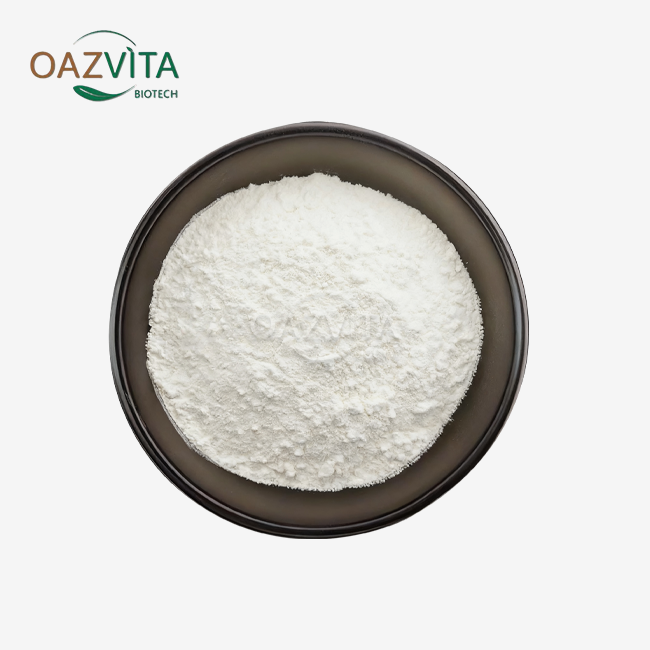
Apigenin may be found in a wide variety of natural sources, including dried chamomile flowers (Matricaria recutita), parsley (Petroselinum crispum), celery (Apium graveolens), oregano, and thyme. These herbs are among the most numerous natural sources of apigenin. The amount of apigenin that may be found in dried chamomile flowers can range anywhere from three to five percent by weight. Therefore, it is the plant that has the highest amount of this substance. These botanical sources are used as the foundation for the creation of high-grade apigenin powder (CAS No. 520-36-5), which is intended for use by supplement brands and businesses that sell to other businesses. Standardised apigenin bulk powder, which has been refined to a purity of 98% using high-performance liquid chromatography (HPLC), is the favoured alternative for commercial formulation because it provides far more consistent amounts of active chemicals than raw plant material alone. This is the reason why it is the preferred option.
Understanding Apigenin and Its Role in Modern Formulations
There has been a persistent interest from the nutraceutical and functional food industries in the flavonoid known as apigenin (4′,5,7-trihydroxyflavone), which is a flavonoid that occurs naturally in plants and is found in plants. Because of its well-documented properties, which include antioxidant activity, anti-inflammatory modulation, and support for the nervous system, it is a bioactive component that is widely sought after across a range of product categories. This is because of the fact that it has been shown to have these capabilities.
Why Natural Origin Matters to Buyers
The acquisition of apigenin from botanical sources that have been verified is regarded as a quality baseline by a sizeable number of B2B procurement teams. In particular, the regulatory profiles of natural-origin ingredients are cleaner, especially in the markets of the United States and the European Union, where the demand for goods with a "clean label" is continuing to develop. In order to satisfy the requirements for organic and non-GMO certification, customers in the supplement manufacturing, nutricosmetics, and functional beverage production sectors are progressively specifying plant-derived apigenin. This is done in order to fulfill the criteria.
Bioactive Properties That Drive Demand
Apigenin's potential to modify GABA-A receptors has been confirmed by research that has been published in publications that are subject to peer review. This finding lends credence to the inclusion of apigenin in sleep and relaxation formulae. Apigenin produced from chamomile was shown to have significant anxiolytic efficacy in clinical settings, according to research that was published in the journal Phytomedicine in 2017. Because of these results, procurement teams are able to evaluate the value of ingredients for anxiety-relieving and sleep supplement product lines and make decisions accordingly.
From Raw Herb to Refined Ingredient
There are a number of extraction and purification processes that must be completed before a finished capsule can be created from a field of chamomile. The extraction of apigenin from raw plant material may be accomplished by the use of industrial CO2 or ethanol. Following that, the chemical is purified using HPLC to a level that is suitable for pharmaceutical use. After gaining an understanding of this process, quality assurance teams are able to examine the paperwork provided by suppliers and the consistency from batch to batch with more accuracy.
Top Natural Sources of Apigenin: A Detailed Breakdown
The quantity of apigenin found in various plants varies greatly from one another. In the event that procurement teams are interested in producing a large quantity of anything, they need to be aware of which plant source provides the largest yield while also being unadulterated.
Chamomile Flowers
The majority of the standardised apigenin extract that is now available on the market originates from dried German chamomile, also known as Matricaria recutita. When the flower heads of this plant are dried, they may contain anywhere from 0.5 to 3% apigenin in the form of apigenin-7-glucoside. In the course of the extraction procedure, this glucoside is converted into free apigenin to produce apigenin bulk powder. Materials that are created from chamomile often have fewer defects than those that are made from celery material. As a result of the Food and Drug Administration of the United States stating that these Products are safe (GRAS rating), supplement manufacturers will have an easier time adhering to the regulations.
Parsley and Celery
Apigenin-7-apiosylglucoside is the primary form of apigenin that may be found in the leaves of Petroselinum crispum, which are often referred to as parsley. Iron content in dried parsley may range anywhere from 215 mg/kg to 3000 mg/kg, depending on the kind of cultivation used to cultivate the parsley. Celery seeds, also known as Apium graveolens, are also capable of being used in industrial settings; however, due to the presence of phenolic compounds inside them, they need further cleaning. Apigenin, which is derived from celery, is often used in functional meals, and it is beneficial to the corporate environment for these foods to have a diverse assortment of plants. In order to ensure that the purity levels are accurate, those who purchase from these plant sources have to have them monitored by an independent third party.
Thyme, Oregano, and Other Herbs
It is found in large amounts in thyme (Thymus vulgaris) and oregano (Origanum vulgare), along with other flavonoids such as luteolin and quercetin. These sources aren't used as often to get apigenin on a large scale, but they are often mixed with other plants to make broad-spectrum mixes. If a business is making formulas with more than one ingredient, it is better to get standardized individual compounds from a trustworthy apigenin bulk powder provider than to use mixed-herb extracts because it is easier to control the dose.
The way things are bought is directly affected by these differences between sources. To help people make their choice, the table below shows the ranges of apigenin levels found in the main plant sources:
It is most often found in chamomile flower (0.5 to 3%), which is used in supplements and sleep aids; parsley leaf (215 to 3000 mg/kg), which is used to add nutrients to food; celery seed (low to mid) for functional foods; and thyme (low to mid) for botanical mixes.
| Botanical Source | Apigenin Content (dried) | Common Application |
|---|---|---|
| Chamomile flower | 0.5–3% | Supplements, sleep formulas |
| Parsley leaf | 215–3000 mg/kg | Food fortification |
| Celery seed | Variable (low-mid) | Functional foods |
| Thyme | Low-mid | Botanical blends |
Apigenin Bulk Powder vs. Natural Source Extracts: What Should Buyers Consider?
You can choose between standardized apigenin bulk powder and crude plant extracts. This is one of the most important choices you can make when getting ingredients. You can use either one sometimes, but standardized powder is better for making a lot of supplements at once.
Purity and Concentration Consistency
It depends on when the chamomile or parsley was picked, what kind of land it was grown in, and how it was dried, so that a lot of different active chemicals are present. Standardized apigenin powder that has been cleaned up with HPLC to make it 98% pure takes away this difference. Each batch needs to have the same amount of active ingredient so that it can live up to what it says on the label and pass EU and US legal checks.
Cost Structure and MOQ Considerations
As a rule, standardized apigenin bulk powder is cheaper when used in large amounts. It may cost more per kilogram than crude extract, but it has a lot more active ingredient per gram, so it does not lose as much of its effectiveness. Brands can test new recipes before committing to full production runs thanks to the minimum order quantity (MOQ), which starts at 1 kg.
Certifications and Import Compliance
In the United States, purchasers are required to have documentation that demonstrates they comply with the Food Safety Modernisation Act (FSMA) regulations. Suppliers are required to provide evidence that their documentation satisfies the requirements established by the European Food Safety Authority (EFSA) for each ingredient. Companies that have been certified by ISO 22000, HACCP, NSF, HALAL, USDA Organic, and EU Organic are the ones that should be purchased to ensure the highest quality. When it comes to entering the European and North American markets, these are the criteria that are most often encountered. In order to construct a supply chain that can expand without compromising quality, it is essential to have a solid understanding of these factors.
How to Choose the Right Apigenin Supplier for Your Business Needs
The choosing of suppliers involves more than just comparing prices. The following criteria describe a reliable long-term supply connection for procurement teams who are responsible for controlling the quality of ingredients across both domestic and foreign markets.
Certification Depth and Batch Documentation
The Certificate of Analysis (COA) is something that a reliable provider would supply for each and every batch, not only when it is requested. Data on HPLC purity, screening for heavy metals, microbiological limits, and testing for residual solvents should all be included in certificates of analysis. Both the ISO 22000 and HACCP certifications verify that the production processes are in compliance with the prescribed safety criteria for food and pharmaceutical products. The addition of NSF and Organic certifications provides an additional layer of confidence for product lines that bear clean labels.
Production Capacity and Lead Times
Interruptions in supply lead to manufacturing delays that are expensive. During times of high demand, it is important to determine whether or not a provider can keep their production steady. When it comes to ordinary orders, lead times that range from one to five working days are indicative of effective inventory management. It is important for buyers who are sourcing for large-scale manufacturing to check yearly capacity as well as any seasonal limits that are associated with the availability of botanical raw materials.
Supplier Transparency and Technical Support
Apigenin bulk powder manufacturers that are considered to be among the top in the industry provide their customers technical data sheets (TDS), material safety data sheets (MSDS), and application guidelines in order to assist them in effectively incorporating the ingredient into their formulations. Suppliers that provide free samples prior to a purchase commitment not only exhibit their trust in the quality of their products but also lessen the risk that buyers face during the product assessment stage.
Best Practices for Handling and Using Apigenin Bulk Powder
After a product has been discovered, the manner in which it is handled has a direct impact on how effectively it functions when it is placed on the shelf.
Storage and Stability Requirements
The powdered form of apigenin needs to be stored in a location that is cold, dry, and out of direct sunlight. Anything that is exposed to ultraviolet radiation or moisture for an extended period of time will eventually degrade. Things that are organised and stored properly often have a lifespan of twenty-four months. In most cases, the most effective method for maintaining the integrity of an active ingredient while it is being transported and kept is to use packaging that is opaque and sealed.
Dosage Guidance for Formulation
In a study that investigated apigenin, the researchers typically discussed doses ranging from 25 mg to 100 mg when the supplement was taken in the form of a supplement. For the purpose of determining the appropriate dosages for each capsule or serving, formulators should make use of purity data that is supported by a certificate of analysis (COA). It is important to keep in mind that apigenin does not like water if you want to add it to beverages. Obtaining a stable dispersion can need the use of cyclodextrin complexation or liposomal packing, depending on the circumstances.
Safety and Regulatory Precautions
Apigenin is generally safe in the amounts found in most food supplements. Quality assurance teams should read MSDSs to make sure they follow safe handling guidelines and check that the labels on finished goods correctly show where the ingredients came from and if they are certified. This is very important when sending food to countries that have strict rules about telling people what's in food.
Conclusion
For business purposes, chamomile is still the best natural source of apigenin. Second place goes to parsley, and third place goes to celery. Manufacturers of supplements, functional foods, and OEMs can only be sure they'll get the consistency they need with standardized apigenin bulk powder that is 98% pure by HPLC. That's not possible with raw plant products. When picking a provider, the most important things to look at are how clear the technical information is, how much paperwork they have, and how thorough their certifications are. To keep the quality of the product high from the time the ingredients are bought until they are fully mixed, smart choices should be made about where to get them and how to handle them.
Frequently Asked Questions
1. What purity level should I expect from commercial apigenin extract?
Premium-grade apigenin powder that is used to make vitamins is checked with HPLC to make sure it is 98% pure. This level makes sure that every batch is the same and meets the rules for active ingredient claims set by the EU and the US.
2. How do I verify apigenin supplier quality before placing a bulk order?
Ask for a COA from a third party that includes HPLC data, heavy metal tests, and microbial screening. Make sure that the seller has either an ISO 22000 or HACCP code. When buying something for a business, it is common to order a free sample to be tested by a third-party lab before committing to a MOQ.
3. What certifications are required to import apigenin into the US?
A COA for each batch, proof of ISO 22000 or HACCP compliance, FSMA compliance records, and claims that the food is non-GMO are things that US buyers usually need. When supplement names sold in stores are NSF-certified, they have even more trust.
4. Is chamomile-derived apigenin better than parsley-derived?
It is more likely that chamomile material will be free of impurities and cross-reactive phenolic chemicals than celery or parsley material. When it comes to high-end supplements, chamomile origin is often the best choice.
Source OAZVITA's Apigenin Bulk Powder for Your Next Product Line
It is pharmaceutical-grade (CAS 520-36-5, 98% HPLC) and has been approved as organic by HACCP, ISO 22000, NSF, HALAL, the USDA, and the EU. OAZVITA sells this apigenin bulk powder. You can trust our business to give you apigenin bulk powder. Buyers who meet our requirements can get free samples. Our minimum order quantity (MOQ) is 1 kg, and our lead times range from 1 to 5 working days. Email us at info@oazvita.com right now to get your sample or product leaflet.
References
1. Srivastava, J. K., Shankar, E., & Gupta, S. — Molecular Medicine Reports, 2010.
2. Viola, H., et al. — Proceedings of the National Academy of Sciences, 1995.
3. Bhaskaran, N., et al. — Journal of Nutrition, 2010.
4. Patel, D., Shukla, S., & Gupta, S. — International Journal of Oncology, 2007.
5. Christensen, L. P., & Brandt, K. — Journal of Pharmaceutical and Biomedical Analysis, 2006.
6. Miean, K. H., & Mohamed, S. — Journal of Agricultural and Food Chemistry, 2001.

Send Inquiry
Related Industry Knowledge
- Valerian Extract Powder for Stress Support: Benefits and How to Use
- Kava Extract Powder: Grinds, Preparation, and Why Strength Varies
- Is it safe to take DHM every day?
- The benefits of ginseng: properties, uses and health advice
- What is Soybean Natto Powder good for?
- Blue Copper Peptide Powder Skincare Routine: How to Layer Peptides
- A Complete Guide to Consuming Shilajit Drops for Maximum Benefits
- Complete Guide to Choosing the Best OEM/ODM Pure MCT Powder for Supplements
- Exploring the Uses of Chicken Collagen Peptides in Beauty—From Skincare to Supplements
- Why Germany Chooses Our GMP-Grade NMN Powder for R&D Programs?