Hyaluronic Acid Powder: How to Mix, Make & Use for the Best Results for Your Skin
Jul 14, 2026
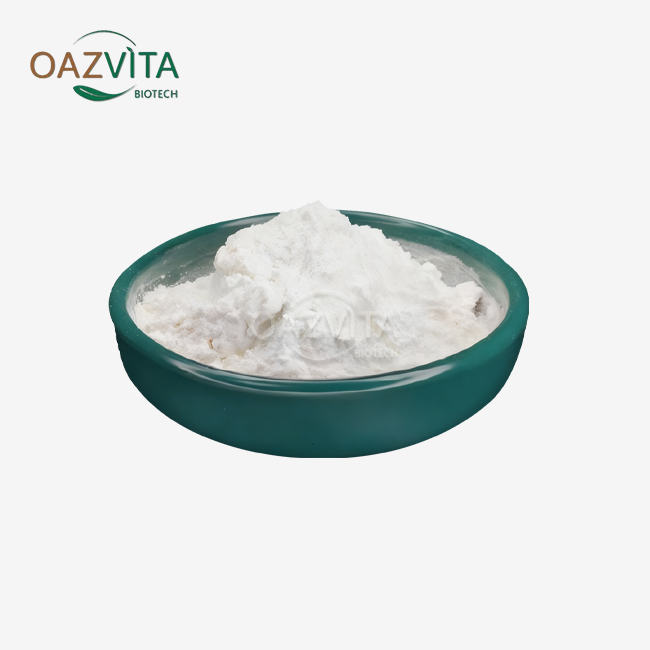
Hyaluronic Acid Powder Bulk could be the key ingredient that makes all the difference in making makeup or diet brands that remain moist longer. This sodium hyaluronate powder is made from microbial fermentation instead of animal extraction. Its molecular weight can be changed to any value between 7,000 and 2,000,000 Daltons. This makes it more flexible for recipes than any other powder on the market. This powder can hold up to 1,000 times its weight in water if it is mixed and added to skin care Products in the right way. As a result, it is an important part of anti-aging serums, hydrating creams, and beauty-from-within vitamins sold all over the world.
Understanding Hyaluronic Acid Powder and Its Benefits
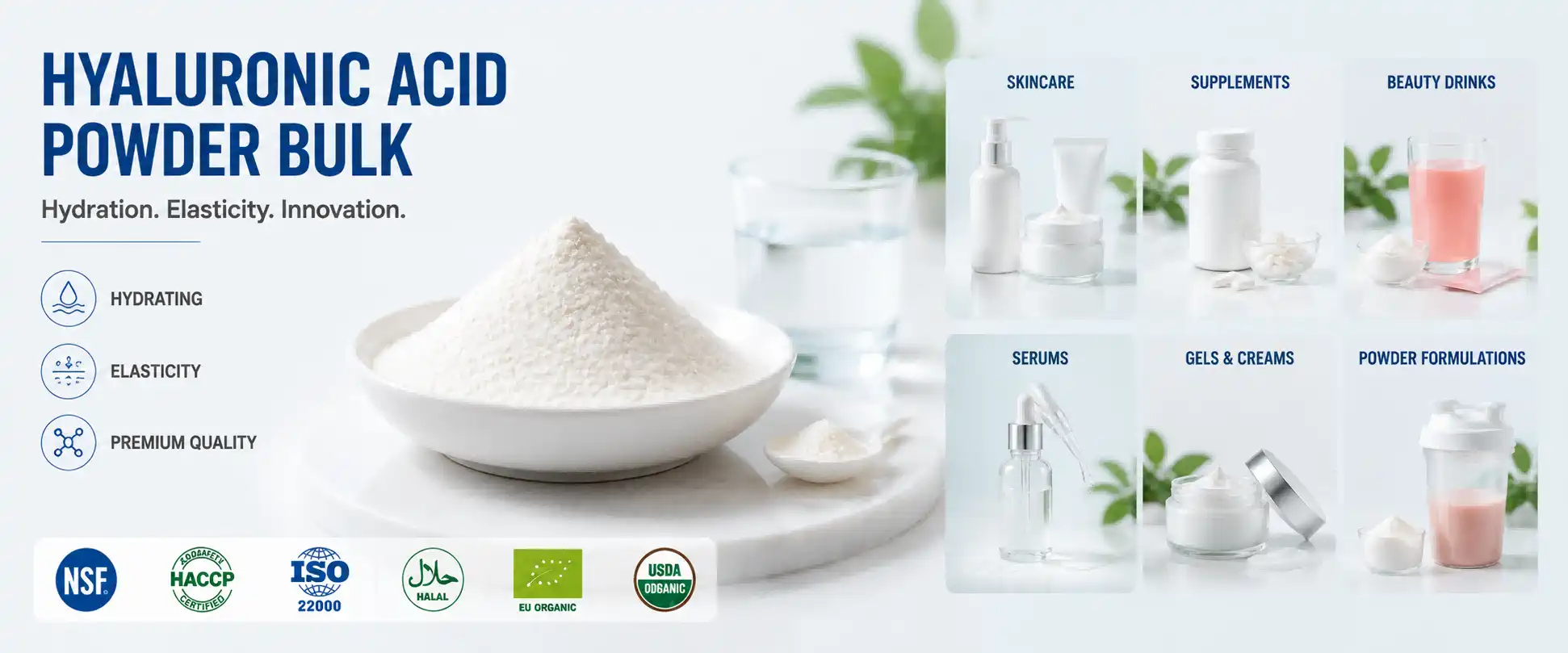
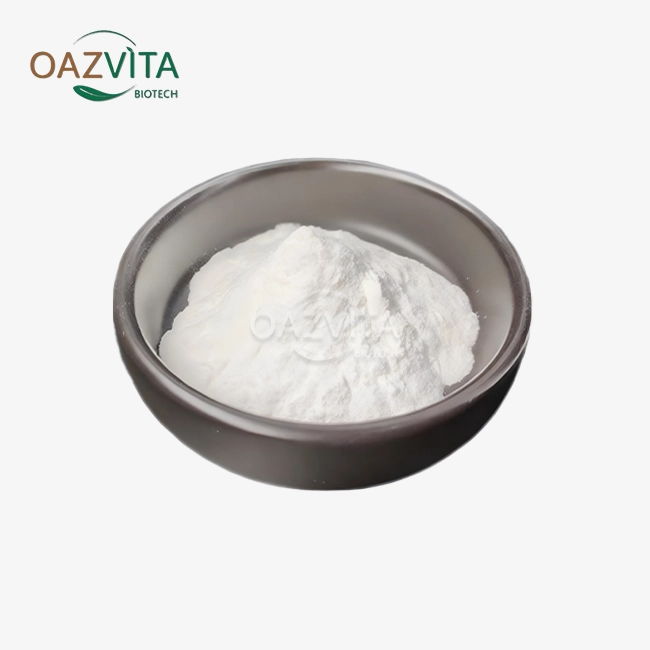
For companies that make a lot of things, it's now smart to use hyaluronic acid powder instead of liquid forms. It is white to off-white and grainy. It's also called hyaluronan bulk powder (CAS NO.: 9004-61-9), and it gives you a non-sulfated glycosaminoglycan that is naturally found in human connective tissue. Having it in powder form makes shipping easier because it's lighter, and it has a great 24-month shelf life if kept cool and dry. That's a lot longer than pre-dissolved solutions, which go bad quickly.
Molecular Weight Matters in Product Performance
A key part of making a good formulation is understanding how molecular weight is spread out. Low molecular weight versions (10,000 to 100,000 Daltons) get deeper into the dermal layers and help lower inflammation while also making it easier for cells to talk to each other. For older skin or skin that gets acne, these smaller molecules work great in serums that treat them. Those with a high molecular weight (1,000,000 to 2,000,000 Daltons), on the other hand, form protective films on the skin's surface that stop water loss. So, they're great for barrier repair creams and masks that you put on at night. The Hyaluronic Acid Powder Bulk from OAZVITA includes all of the range. This lets users make "4D hyaluronic acid" recipes that hydrate at different skin depths at the same time.
Cost Efficiency Through Bulk Procurement
Businesses that buy powder in bulk can save a lot of money compared to businesses that buy liquid products that are already made. Because it is so concentrated, one kilogram of the powder can make a lot more at the end. People who buy in bulk also have more say over the recipe. The concentration levels can be changed from 0.1% to 2.0% based on the product they are buying, which can be anything from light essences to heavy repair treatments. This lets brands make their product lines stand out without having to keep track of a lot of different SKUs for raw materials.
How to Mix and Use Hyaluronic Acid Powder for Optimal Skin Results?
If you use the right dissolving method, your end product will either have a smooth, beautiful texture or an application that is lumpy and doesn't work. Being good at mixing takes time and care, but once you do, you can be sure that each batch will have the same high quality that meets customer needs.
Step-by-Step Dissolution Protocol
First, check that you have the right amount of hyaluronic acid powder. It's important to have digital scales because most makeup only need 0.5 to 1.5% of the powder. Slowly stir the powder into room-temperature distilled or deionised water. Adding water to powder will always make it gel into clumps that won't break apart. With magnetic stirrers, things are always mixed without adding too many air bubbles, which can make the product look bad.
Temperature control significantly impacts Hyaluronic Acid Powder Bulk dissolution speed. The powder dissolves at room temperature, but the process goes faster when it is slowly heated to 40–50°C. The molecules' structure doesn't change. If you heat it above 60°C, the polymer chains can break, which makes it less sticky and useful. It usually takes two to four hours of stirring every so often to break down completely, but the exact time depends on the molecular weight; grades with higher molecular weights need longer soaking times.
Formulation Best Practices for Stability
After it's all been broken down, the thick solution should look clear to slightly cloudy. Now, lower the pH to between 6.0 and 7.5 with sodium hydroxide or citric acid. In this range, hyaluronic acid is most stable. Antioxidants, like vitamin E, keep the product from going bad while it's being stored. Humectants, like glycerin or panthenol, help keep the wetness in.
Hyaluronic acid goods that are made with water need to be kept fresh. Pick stabilisers that work well with a wide range of viscosities to make sure they are spread out evenly in the gel matrix. When companies make clean beauty products, they should look into natural ways to keep them fresh. They might need more tests, though, to make sure they are microbiologically safe for the whole product's shelf life.
Application Guidance for End Users
People are happier and more likely to buy something again if they know how to use it correctly. Hyaluronic acid serums work best on skin that has just been washed and is still damp. This is because the element brings rain or snow into the skin. Tell them to use an occlusive moisturiser afterward to keep the moisture in and stop the skin from drying out in places with low humidity. Hyaluronic acid goes from being a simple humectant to a full system for keeping the skin moist when you use it this way.
Comparing Hyaluronic Acid Powder Bulk Options for B2B Procurement
There are different levels of quality in the hyaluronic acid market. Each level meets different legal and performance needs. Procurement teams can find a mix between cost and quality needs that protect the brand's image if they know how to use these categories.
Cosmetic Grade versus Pharmaceutical Grade Standards
Hyaluronic Acid Powder Bulk that is used in cosmetics usually meets industry standards. It has to be 95% pure by HPLC, have less than 0.1% protein, and have less than 10 ppm heavy metals. In both Europe and North America, these specs are okay for skin care products that go on the skin. It has a Certificate of Analysis (COA), a Material Safety Data Sheet (MSDS), and a Technical Data Sheet (TDS) for the cosmetic-grade items it sells. The customers can easily check that the goods they buy are in line with these documents.
Pharmaceutical-grade versions that are used in medicine are tested more thoroughly, especially to make sure that their endotoxin amounts are less than 0.05 IU/mg. In other words, they can be used for eye drops and injections. Some companies that sell cosmetics as "medical-grade skincare" may think it's worth the extra money to back up their claims, even though this premium grade goes above and beyond what is needed for cosmetics that are put on the skin. You'll save money and make sure you're following the rules if you know which grade fits your goods.
Molecular Weight Selection Strategy
You need to match the polymer size of HA Powder to the skin interaction you want in order to pick the right molecular weight profiles. Hyaluronic acid with a molecular weight of less than 50,000 Daltons can pass through the stratum corneum, make more collagen, and lower inflammation markers at the same time. Because they let cells talk to each other deeply, these biologically active pieces work well in anti-aging treatments and skin care products for sensitive skin. All-purpose moisturisers with a molecular weight of 100,000 to 500,000 Daltons are good at both penetrating the skin and keeping the surface moist.
Sustainability and Sourcing Transparency
These days, people want to know more about where the ingredients they use come from and how they impact the environment. Microbial fermentation, which is how OAZVITA makes hyaluronic acid, is much better for the earth than the old method of getting it from rooster combs. In fermentation, bacterial cultures are used. These cultures can be used again and again, don't hurt animals, and keep the quality stable even when farming conditions change with the seasons. This use of biosynthetics is in line with the clean beauty trend and the standards for vegan approval.
How to Source and Buy Hyaluronic Acid Powder in Bulk?
Just price isn't enough to choose a key provider. It's also important that the supply chain is reliable and has good technical support. All of these things have a direct impact on how well and consistently products are made.
Evaluating Supplier Credentials and Capabilities
Providers who are competent show they know how to make HA Powder by giving clear instructions and thorough paperwork. Ask for specifics, like how much glucuronic acid there is (it should be more than 44.0%), how much sodium hyaluronate is present (95.0–105.0% on a dried base), and how much is lost during drying (it should be less than 10.0%). You should be very worried about a supplier's quality control if they won't give you test results for a certain batch or let a third party look over their work.
Manufacturing capacity and lead times reveal operational maturity. OAZVITA can still make it if you order at least 1 kg. Lead times are between one and five business days, and they can handle both small samples for formulating and full-scale industrial production. This freedom is helpful when a new product comes out, and it's hard to guess how much people will want it because of all the unknowns. Reliable suppliers also keep extra stock on hand in case production stops or demand rises without warning.
Practical Procurement Considerations
It's important for new brands that don't have a lot of money to find suppliers that meet their minimum order quantities (MOQ). Some industrial suppliers have minimum order quantities (MOQs) of several tonnes, which only work for big, well-known companies. OAZVITA's 1 kg minimum, on the other hand, lets new companies and private label buyers try recipes and see how well they do in the market without having to worry too much about stock. You can now get high-quality ingredients that were once only available to big businesses through this easy-to-reach entry point.
Global Logistics and Regulatory Compliance
When you buy something from another country, you have to follow a lot of difficult rules about shipping and taxes. OAZVITA gives customers a choice of shipping methods, including air freight, sea transport, and fast courier services (DHL, FedEx, UPS), so they can pick the one that fits their needs and budget the best. Every shipping method comes with tracking choices, so you can always see where your package is and do something if it gets held up in transit.
Regulatory compliance documentation speeds up the time it takes to get a product to market and gets rid of common regulatory backlogs that make launches late. Customers can sell their goods in many places without having to do extra tests. For example, they can get HALAL certification for markets in the Middle East, NSF certification for markets in North America, and organic approvals for natural products in Europe.
Troubleshooting and Avoiding Common Pitfalls with Hyaluronic Acid Powder
When you know about possible formulation problems and how to fix them, you can avoid costly batch fails and protect your brand's image by making sure that consumers are safe.
Addressing Dissolution and Compatibility Issues
Not giving the blend enough time to hydrate is the most common recipe mistake. This makes the taste grainy, which is bad for the user. By letting it dissolve for at least two hours and shaking it every so often, you can be sure that the polymer is fully soaked. Formulators who work with high molecular weight forms should raise this to 4 to 6 hours, since longer polymer chains need more time to fully unwind and hydrate. If you delay this step for too long, the new recipe may take longer to make and raw materials may go to waste.
Quality Assurance Through Batch Testing
Making sure that HA Powder production is uniform and that quality problems are found quickly by using the same batch testing methods every time is important. Measurements of viscosity (comparing batch values to known baselines), pH (making sure the neutral range stays the same), and microbe tests (proving that the preservation works) are all important. If a brand doesn't have its own lab, it should work with a third-party testing facility to keep quality records that help it follow the rules and keep customers happy.
Conclusion
Hyaluronic Acid Powder Bulk gives supplement and skin care brands more ways to make products, lower costs, and better quality control than alternatives that are already dissolved. If manufacturers learn how to dissolve substances properly, pick the right molecular weight profiles, and work with trusted suppliers like OAZVITA, they can make one-of-a-kind products that really help customers. Hyaluronic acid keeps things moist in amazing ways, and more and more people are learning about how it can help fight ageing. Well-made beauty and health products around the world are likely to do very well. The strategic sourcing choices we make today set us up for long-term competitive advantages in the more complex cosmetics markets of the future.
FAQ
1. What molecular weight should I choose for anti-aging serums?
For anti-aging solutions, it's good to mix molecules with different molecular weights. Low molecular weight hyaluronic acid (10,000–50,000 Daltons) lowers inflammation at the cellular level and boosts the production of collagen. Different types with high molecular weights (1,000,000+ Daltons) instantly make the skin's surface fuller and protect it from damage. You don't have to worry about how your skin looks in the short term or how healthy it is in the long term with this multidimensional method.
2. How long does hyaluronic acid powder remain stable during storage?
Because it is sealed and kept in cool, dry places away from direct sunlight, OAZVITA's Hyaluronic Acid Powder Bulk stays stable for 24 months. Moisture exposure speeds up breakdown, so it's very important to store things in the right way to keep the molecular weight distribution and usefulness during the shelf life.
3. Can the same hyaluronic acid powder be used for both cosmetics and supplements?
For what it will be used, the right grade should be chosen. HPLC rules say that topical goods must be 95% pure, while oral vitamins must be approved as food- or pharmaceutical-grade and go through extra safety checks. A lot of different rules and regulations are met by OAZVITA's goods. This helps customers find the right grades for the types of products they make and the people they want to sell them to.
Partner with OAZVITA for Premium Hyaluronic Acid Powder Bulk Supply
If a manufacturer or company needs a trusted source of Hyaluronic Acid Powder Bulk, they can get it from OAZVITA. When microbes ferment sugar, they make sodium hyaluronate, which has molecular weights that range from 7,000 to 2,000,000 Daltons. There are certificates for HACCP, ISO 22000, NSF, HALAL, and organic that back it up. It meets 95% HPLC quality standards. We help with formulation development by giving away free samples that come with full analytical reports. Our 1 kg minimum order is open, so both new brands and well-known names can use it.
Global logistics capabilities ensure safe, timely delivery via air, sea, or express courier to your facility anywhere in North America, Europe, or beyond. Our professional team helps you with formulation and application issues from the moment you have an idea for a product until it goes on sale. Email info@oazvita.com right away to get cheap prices, ask for samples, or talk about special needs. If you buy pharmaceutical-grade raw materials from a reputable company, you can be sure of the supply chain and build a business relationship that will help your supplement or skin care line do better.
References
1. Papakonstantinou, E., Roth, M., & Karakiulakis, G. (2012). Hyaluronic acid: A key molecule in skin aging. Dermato-Endocrinology, 4(3), 253-258.
2. Bukhari, S. N. A., Roswandi, N. L., Waqas, M., Habib, H., Hussain, F., Khan, S., & Hussain, Z. (2018). Hyaluronic acid, a promising skin rejuvenating biomedicine: A review of recent updates and pre-clinical and clinical investigations on cosmetic and nutricosmetic effects. International Journal of Biological Macromolecules, 120, 1682-1695.
3. Fallacara, A., Baldini, E., Manfredini, S., & Vertuani, S. (2018). Hyaluronic acid in the third millennium. Polymers, 10(7), 701-728.
4. Becker, L. C., Bergfeld, W. F., Belsito, D. V., Hill, R. A., Klaassen, C. D., Liebler, D. C., & Snyder, P. W. (2009). Final report of the safety assessment of hyaluronic acid, potassium hyaluronate, and sodium hyaluronate. International Journal of Toxicology, 28(4), 5-67.
5. Stern, R., Asari, A. A., & Sugahara, K. N. (2006). Hyaluronan fragments: An information-rich system. European Journal of Cell Biology, 85(8), 699-715.
6. Kogan, G., Šoltés, L., Stern, R., & Gemeiner, P. (2007). Hyaluronic acid: A natural biopolymer with a broad range of biomedical and industrial applications. Biotechnology Letters, 29(1), 17-25.

Send Inquiry

Related Industry Knowledge
- Hyaluronic Acid Powder: How to Mix, Make & Use for the Best Results for Your Skin
- What Is Chicken Collagen Peptides and How Does It Enhance Skin Health
- What is pure acai powder?
- Best Beetroot Juice Powder for Cycling: Boost Power & Endurance
- How to Use Biotin Powder for Maximum Benefits?
- Pure NAD+ Powder vs NAD+ Capsules: Key Differences & Applications
- What Is The Difference Between Chicken Collagen Peptides And Marine Collagen?
- Australia Import Considerations for Premium Black Seed Oil Softgels
- Buyer’s Guide: How to Choose the Best Pure NAD+ Powder
- India’s Growing Demand for Pharmaceutical-Grade Inositol Powder